

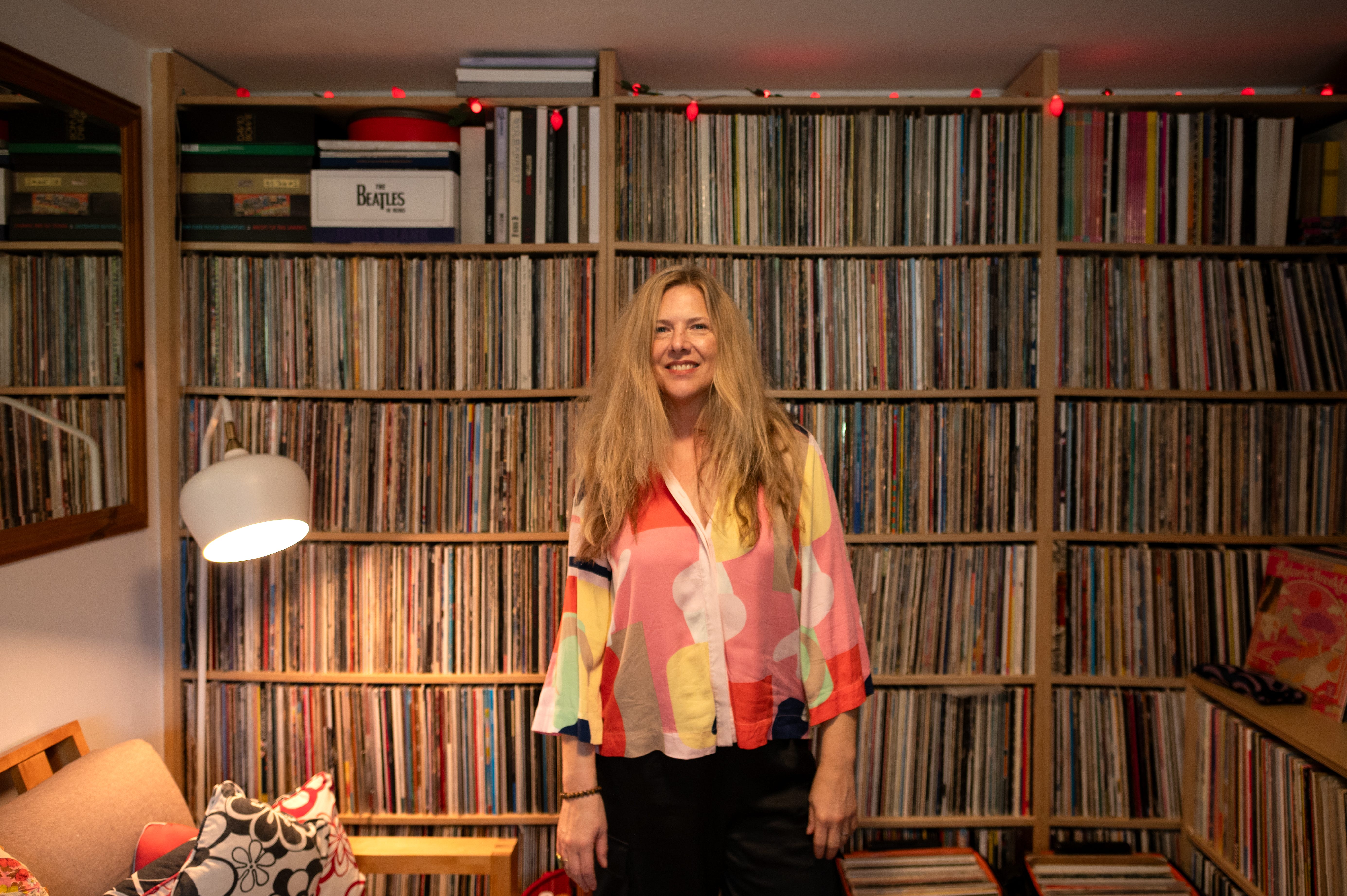
When Classic Album Sundays began, it was simply Colleen telling the story of a record before playing it in full. Then artists started to join her, first tentatively, later as the defining feature of the project.
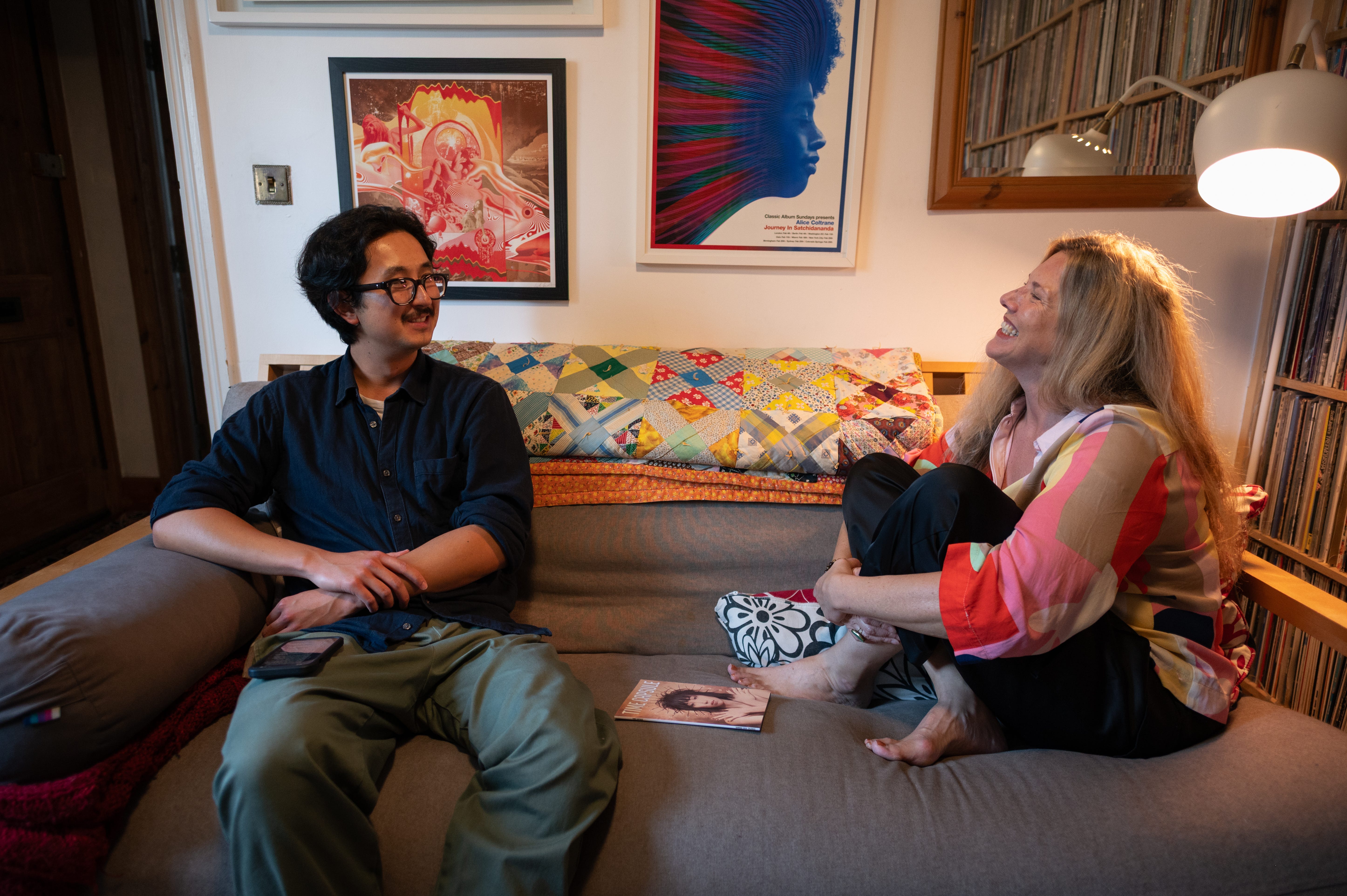
“Now it usually starts with a conversation,” she explains. “Sometimes it’s the artist, sometimes a producer, engineer or fan. I love hearing how differently they all experience the same record.”
She mentions Ken Scott, Bowie’s long-time producer and a regular collaborator. “Ken and I have travelled everywhere together - India, Germany, the States. His perspective is completely different from the artist’s. Musicians think about inspiration and songs. Engineers talk about sound. Ken will explain why a tiny noise at the end of a track is there, what mic was used, what take it was. It changes how you hear it.”
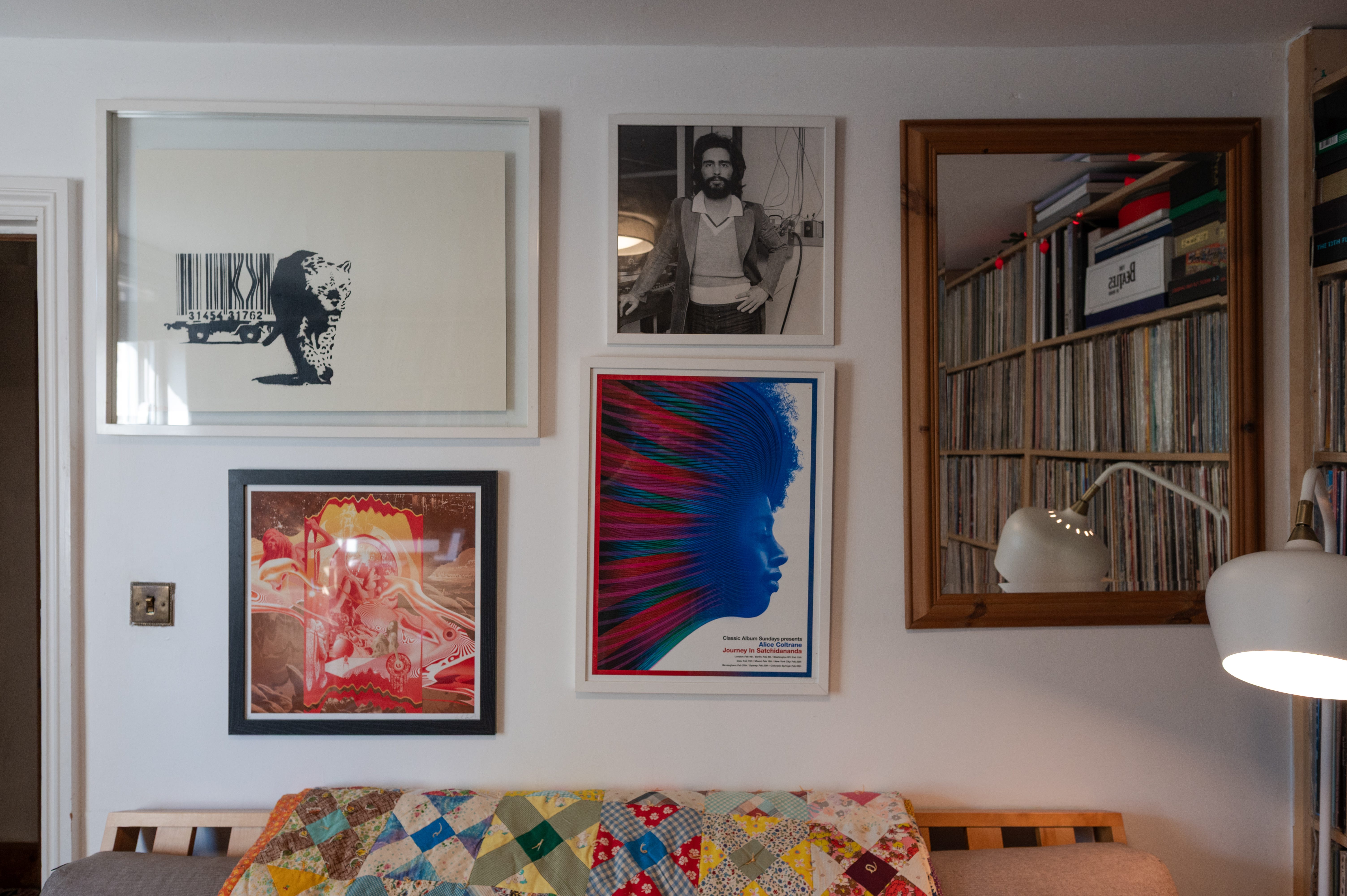
Other interviews bring in musicians inspired by the albums themselves: harpist Alina Bzhezhinska for Alice Coltrane’s Journey in Satchidananda and Dorothy Ashby’s Afro Harping. “I wanted to hear how a harpist would interpret those records. She gave people an entirely new way of listening. And I always make sure the guests get their shine - I love Alina’s own records. She’s a brilliant artist.”
Sometimes the emotion is closer to home. “After Marianne Faithfull passed away, I spoke to Ed Harcourt, who’d worked with her for years. It was really moving, hearing someone talk about her not just as an icon, but as a person.”
What makes a “classic”
When asked what defines a classic album, Colleen resists fixed answers. “It’s not just about chart success or nostalgia. Some records are cult, others become classics decades later. For me it’s about cultural resonance, how a record continues to reveal itself.”
She credits the community around Classic Album Sundays for broadening her scope. “People would suggest albums on a noticeboard at Brilliant Corners. Nick Drake’s Pink Moon came from that. Boards of Canada’s Music Has the Right to Children wasn’t even on my radar when it came out. I discovered it through someone in the audience.”
In the same breath she talks about Dub Factor by Black Uhuru. “One of my all-time favourites. I met Paul ‘Groucho’ Smykle recently. He mixed that record, and so many Grace Jones and Gregory Isaacs cuts. I’d love to do a session with him. His engineering is art.”
Reclaiming how we listen
Colleen’s mission has always been to slow people down. “When I started, it was the iPod era, shuffle culture. People were skipping through music like a slot machine. I wanted to bring back the ritual of listening all the way through, together, on a proper system.”
She laughs remembering the early crowds. “In London I had to remind people not to talk. In Japan you say it once and that’s it. They just sit quietly. But once word spread, audiences understood. It became part of etiquette.”
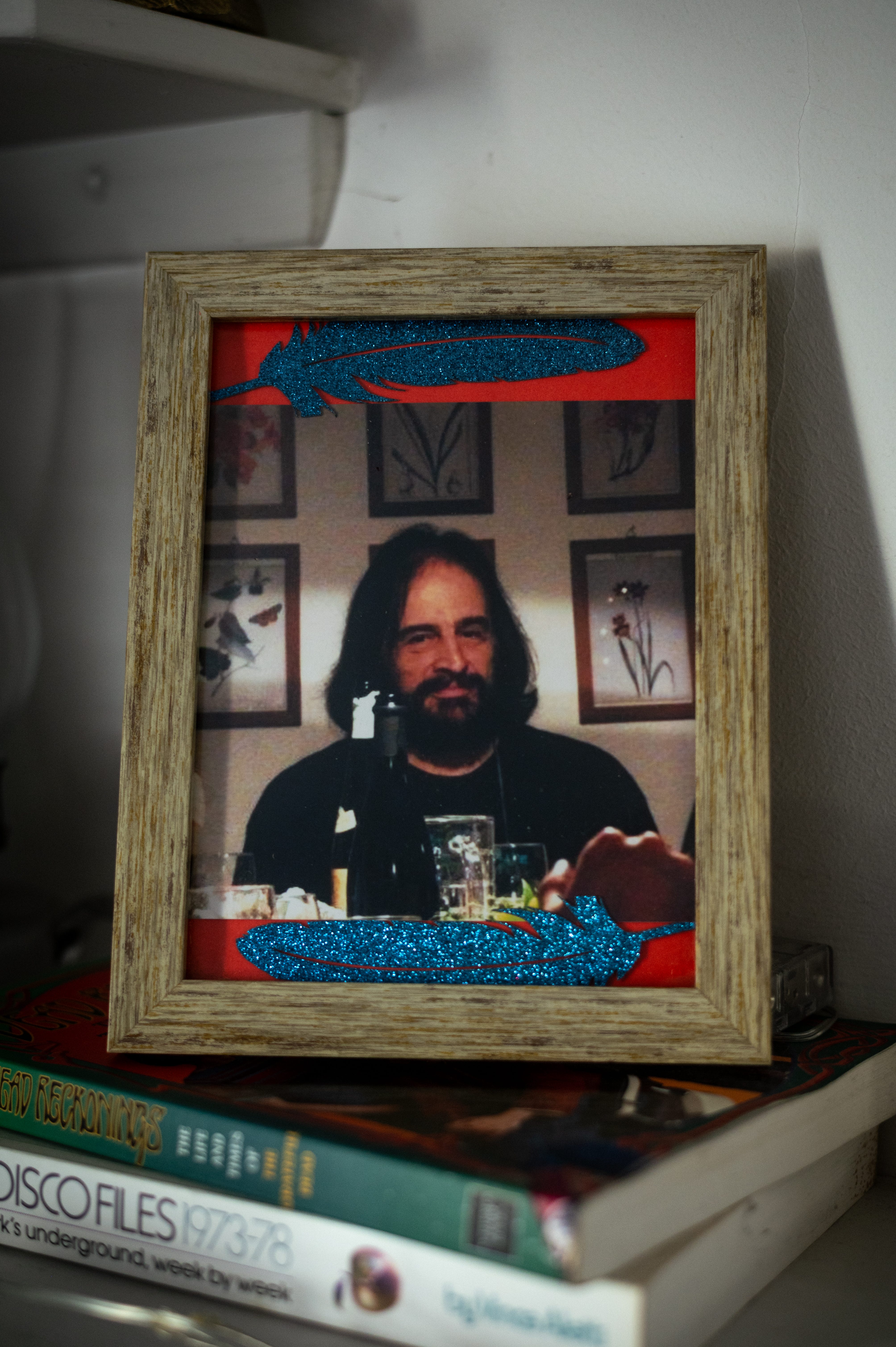
She believes the act itself is therapeutic. “If you spend an hour fully immersed in sound, your blood pressure drops. People cry sometimes. Music heals. David (Mancuso) used to say it raises your life energy and I see that at every session.”
During lockdown she launched an online version “like a book club for records.” Listeners joined via Patreon, listened in real time, and discussed afterwards. “People said they just wanted to learn more about music. That curiosity keeps me going.”
Sound, systems and subjectivity
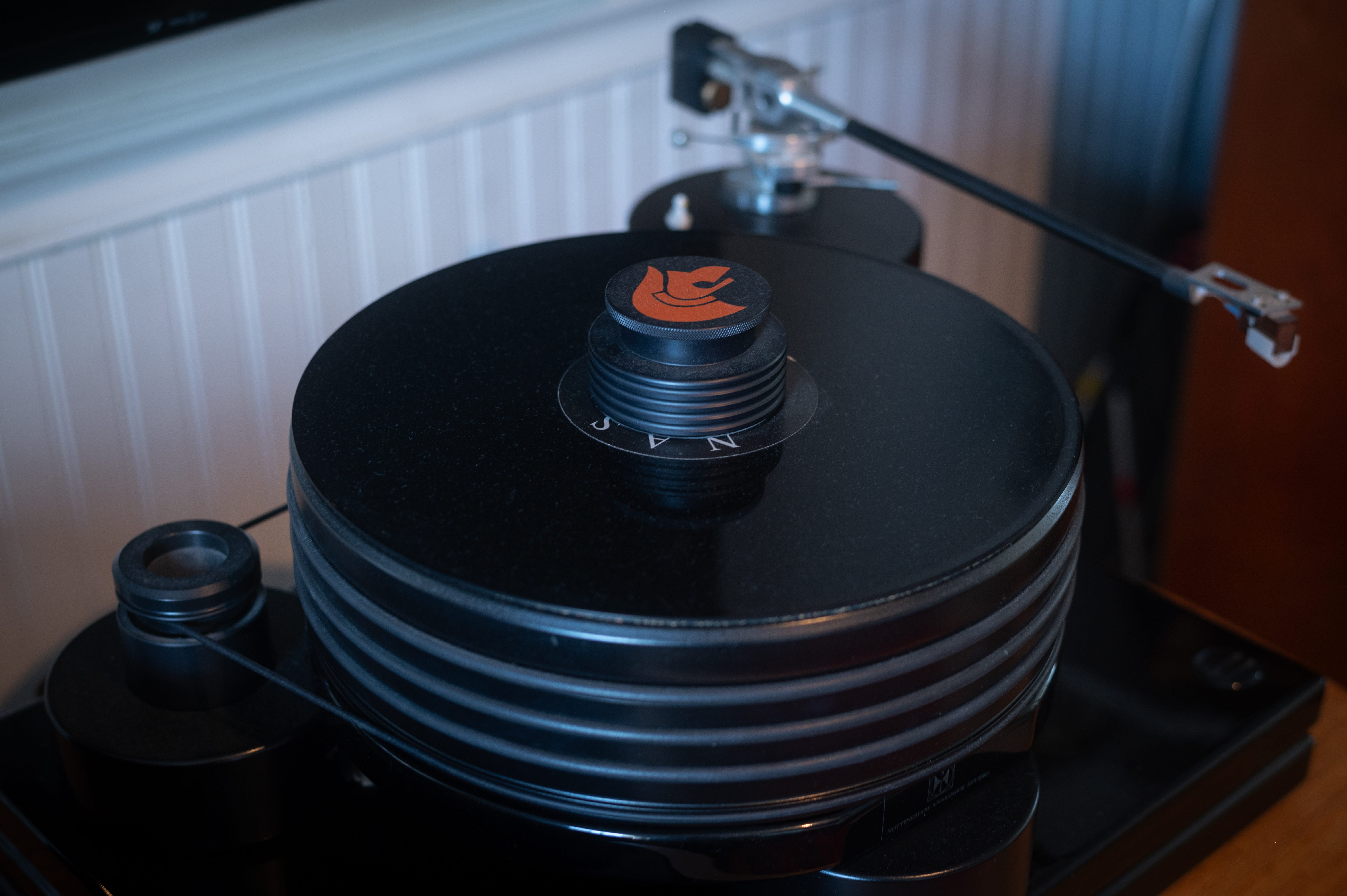
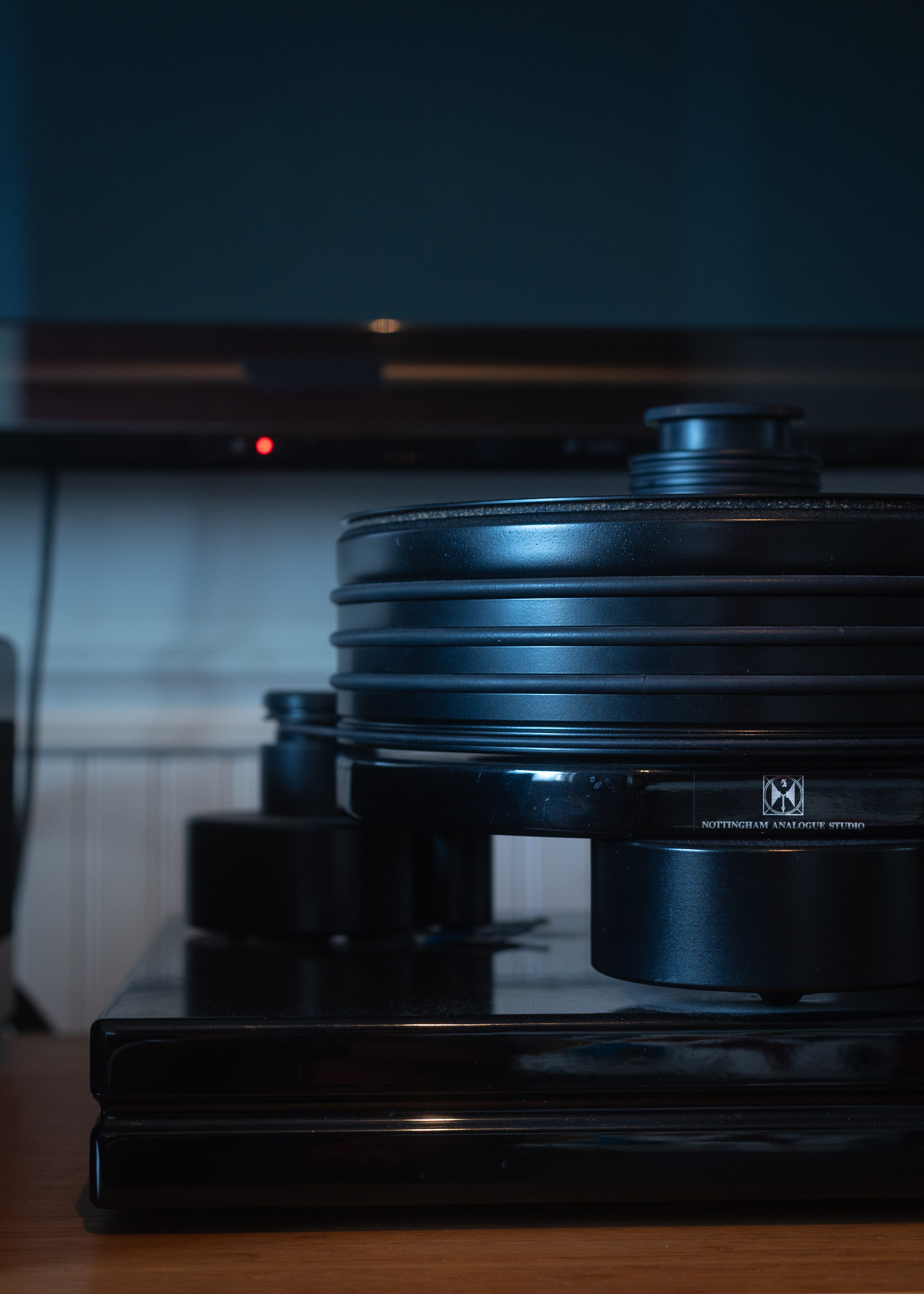
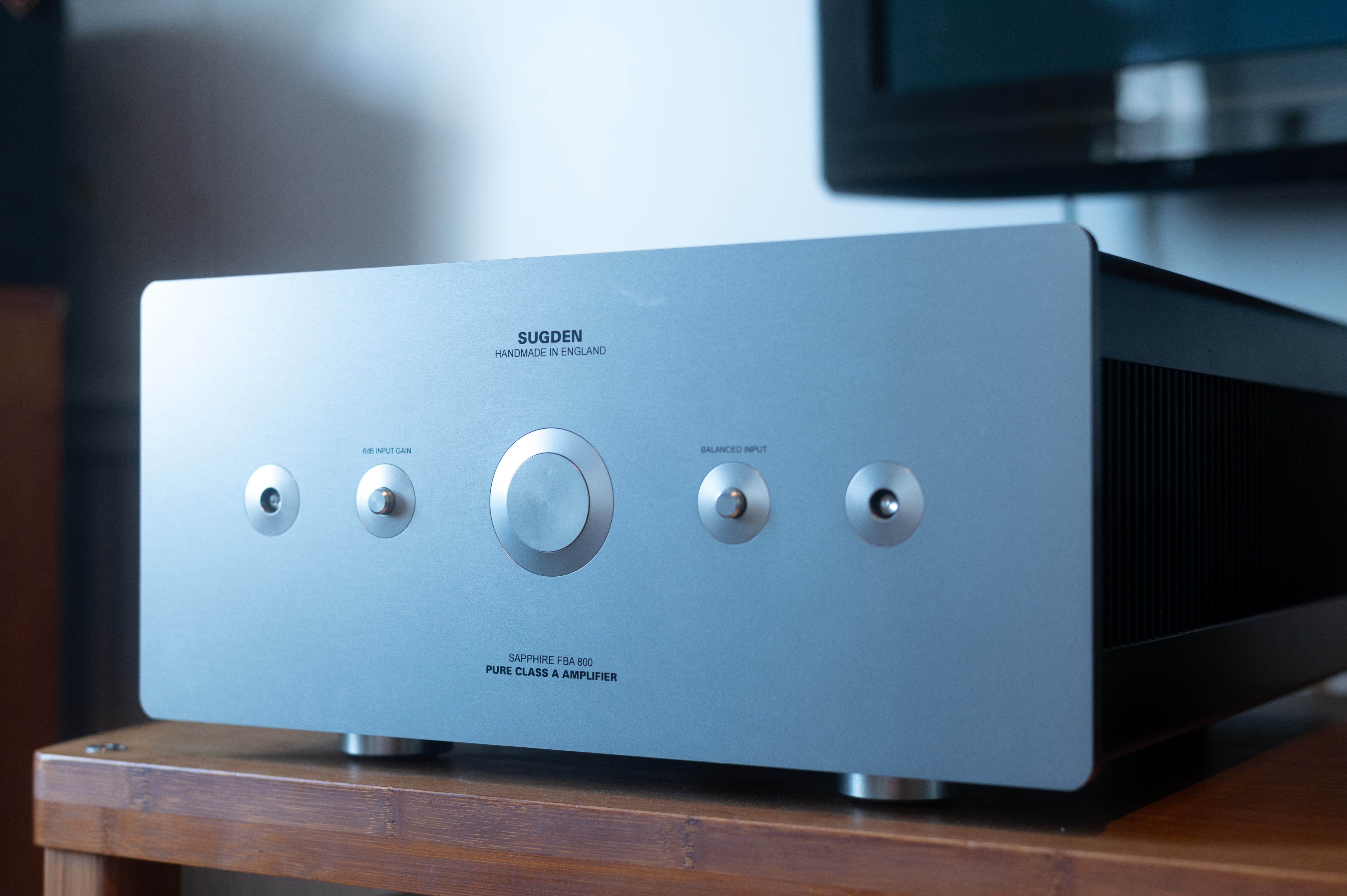
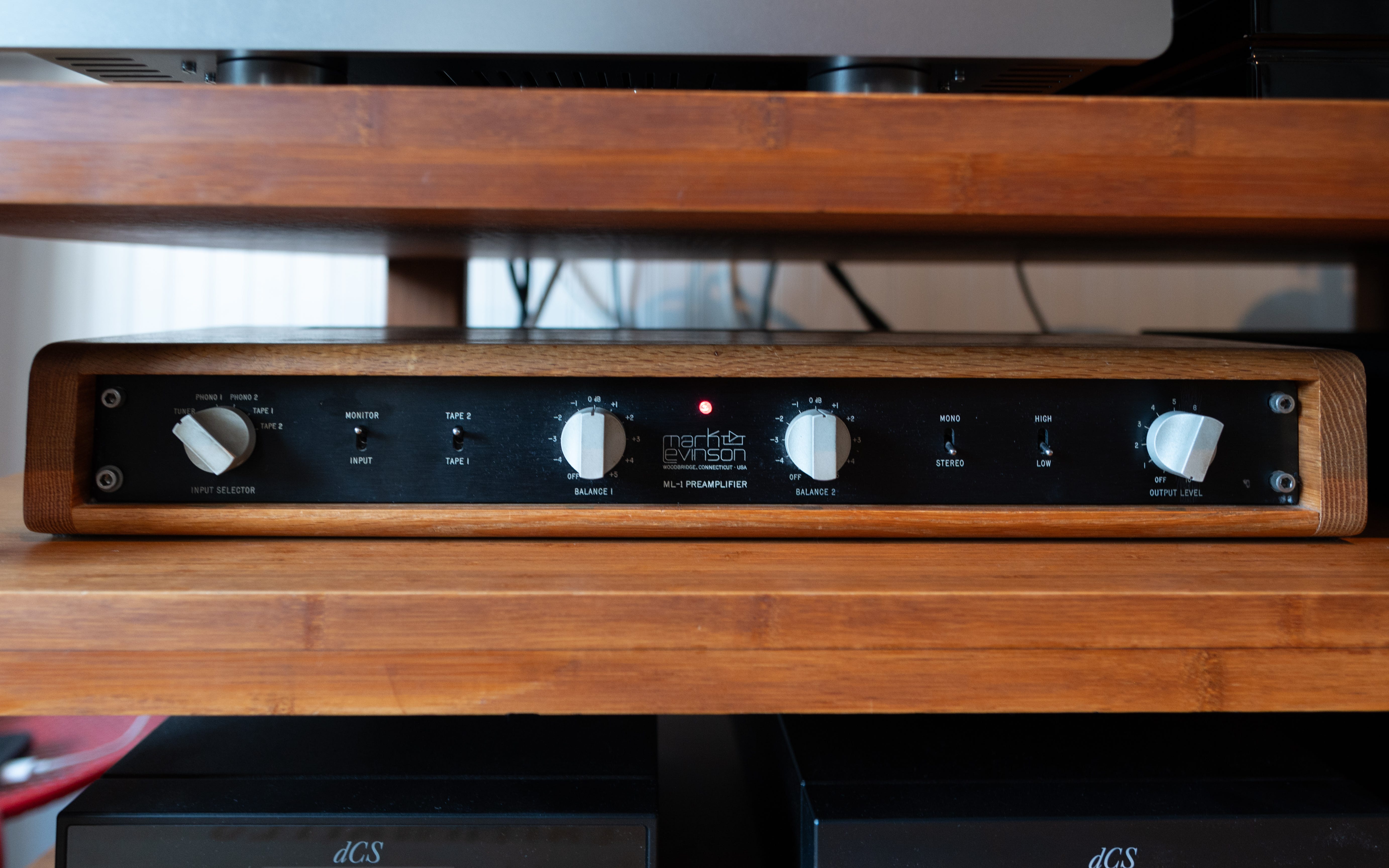
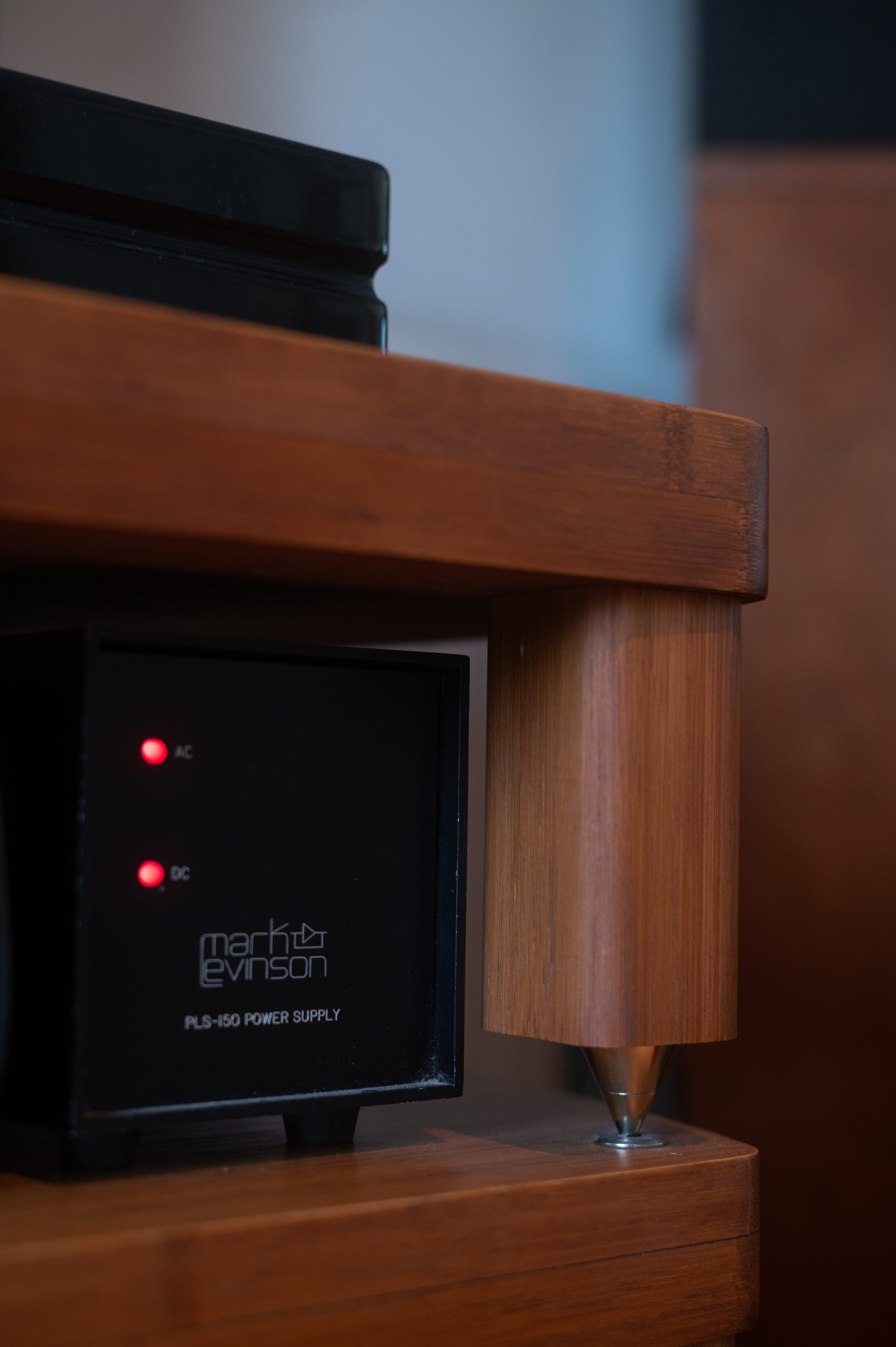
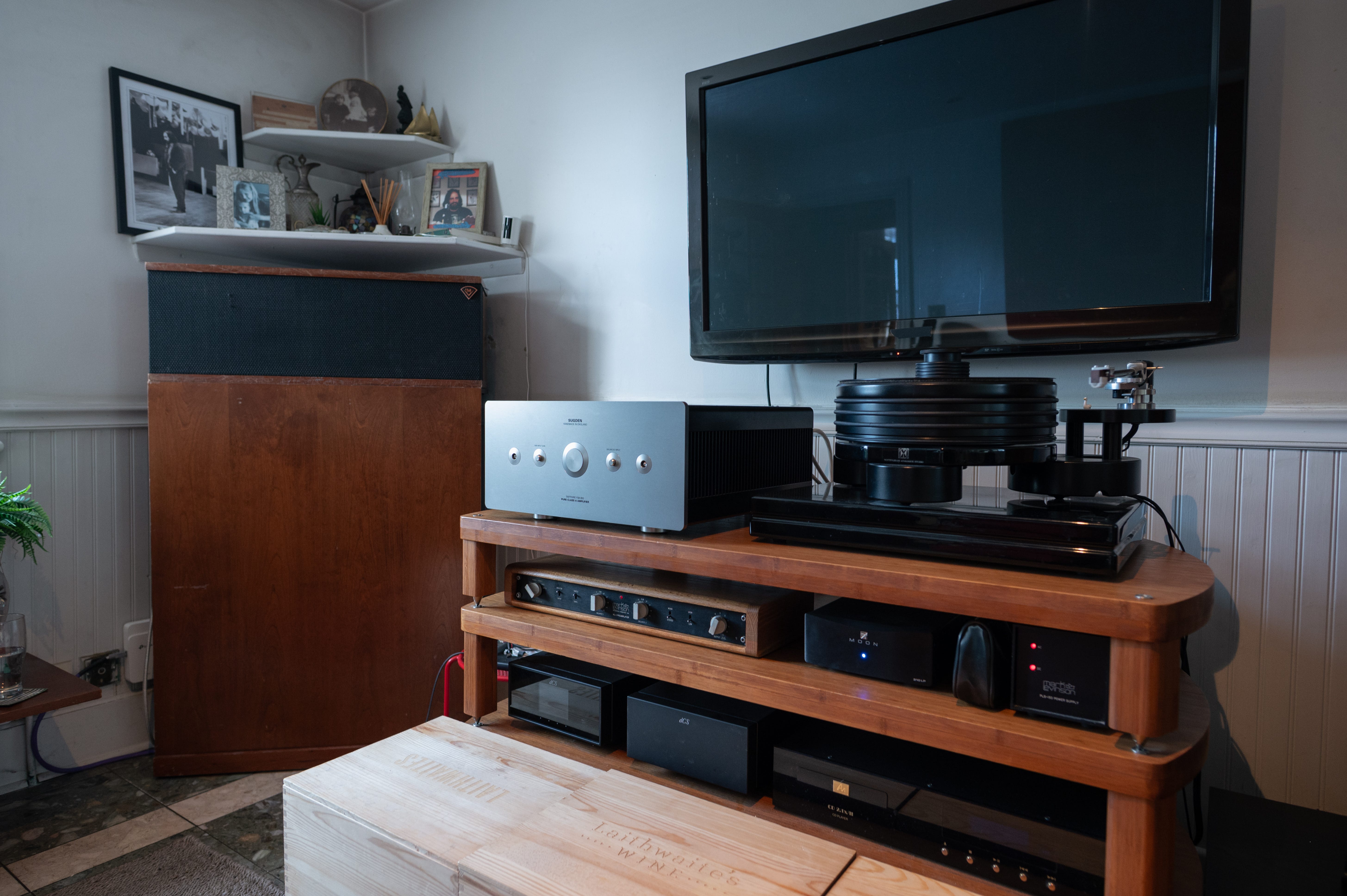
Hi-fi has always been central, but Colleen treats gear as a medium, not a fetish. “When Classic Album Sundays took off, every audio brand wanted me to go exclusive. I said no. I stay brand-agnostic. Systems are subjective, like records, they have personalities. Horns, solid-state, valves, each brings its own colour.”
She rejects the language of competition. “I never say we have the best sound system. There’s no such thing. People hear differently. Women, for instance, often perceive higher frequencies more sharply, so a super-transparent speaker can sound harsh to me while someone else thinks it’s perfect.”
Her only rule is simplicity: no EQ, no compression, clean signal path. “I’ve used everything - Klipschorns, KEF Blades, Wilson Sophias, Audio Note UK’s AN-Es. The goal is consistency so that everyone hears the record as openly as possible. You can tweak forever, but at some point you just have to say, “this is good enough.”
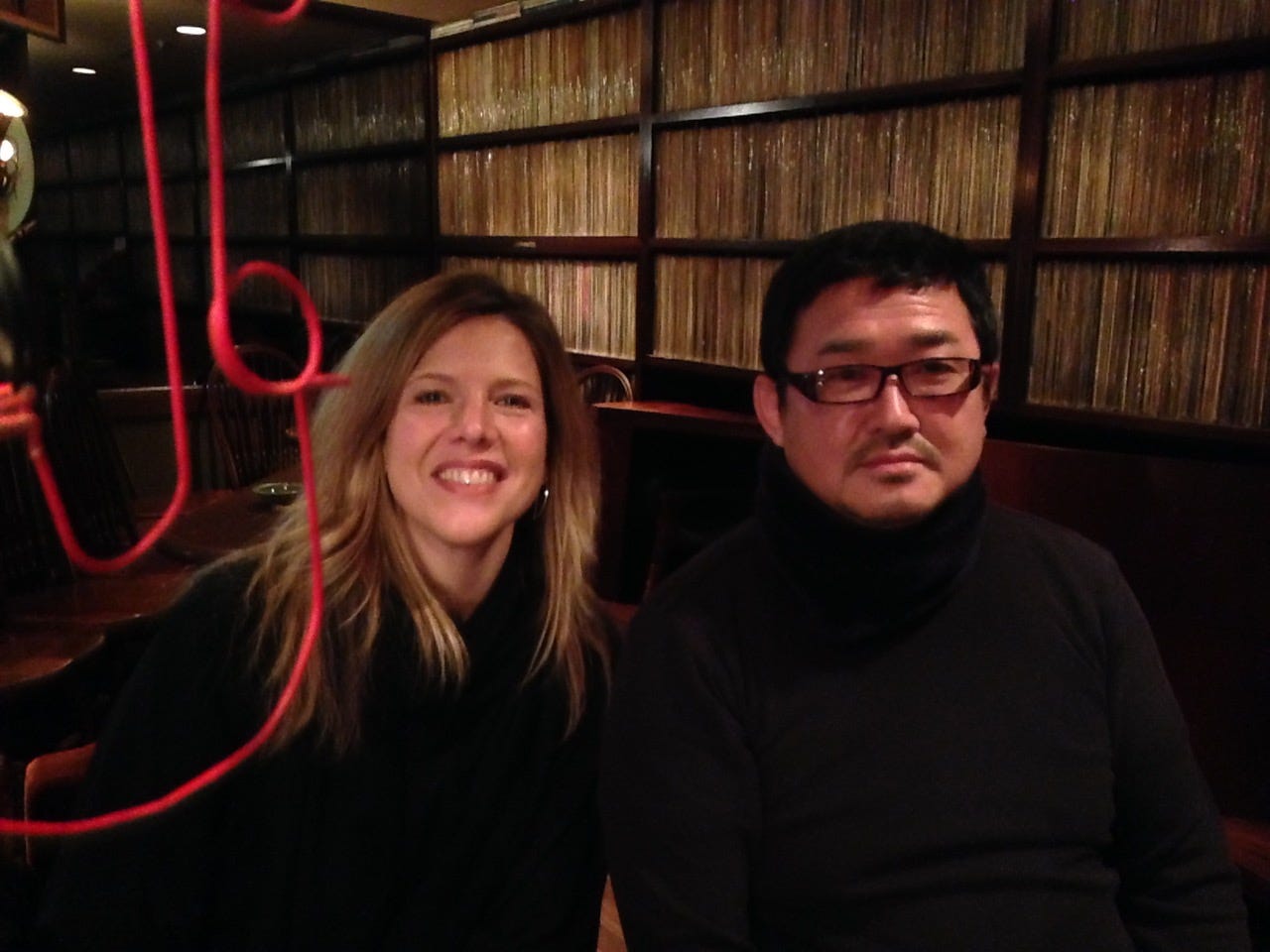
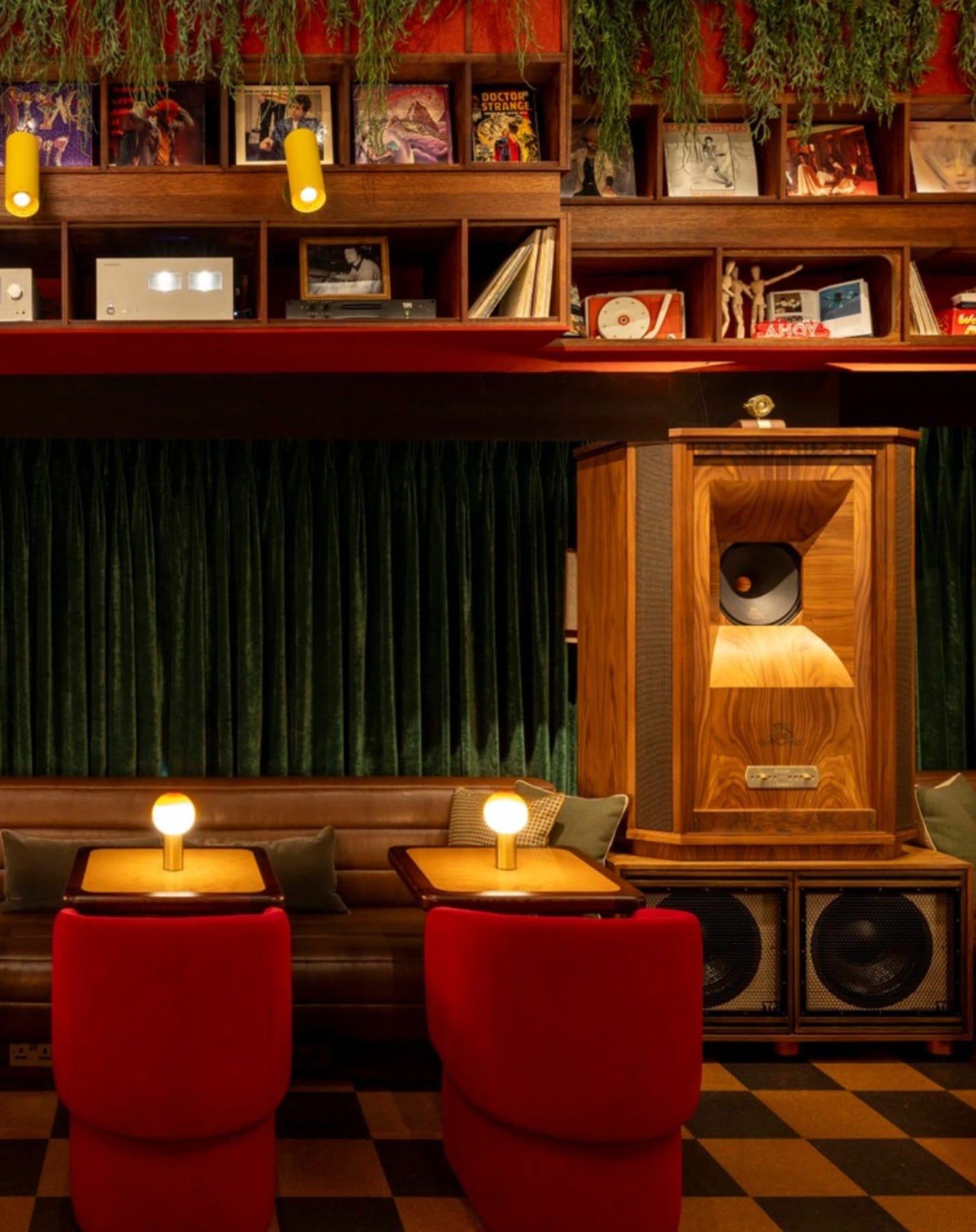
The current London sessions take place at Hidden Grooves Hi-Fi, a new listening bar in Shoreditch. “I’m focusing on music I’d naturally play myself. Smaller capacity, more intimate. Tomorrow it’s Da Lata; next Mark de Clive-Lowe and then Greg Wilson. I’d love to get Groucho in too,.”
And future dreams? “There are more bucket-list interviews than albums,” she admits. “Paul McCartney would be the ultimate, especially his experimental early-’80s stuff. Robert Smith too. I did a remix for The Cure this year at his request - I still can’t quite believe it. If he ever wants to talk in front of an audience, I would love to explore one of The Cure albums with him..”
She pauses before adding what feels like a quiet manifesto. “People sometimes say, ‘They don’t make great albums anymore.’ Of course they do. There’s always good music being made, you just have to listen harder. That’s my job really: to help people listen and discover music from the past and present.. Whether it’s DJing, radio or Classic Album Sundays, I feel my vocation is a curator and an educator. Music’s infinite. My curiosity hasn’t stopped since I was a kid behind a record-shop counter.”
Read Part.1 from below
Classic Album Sundays and The Ritual of Listening (Part 1)

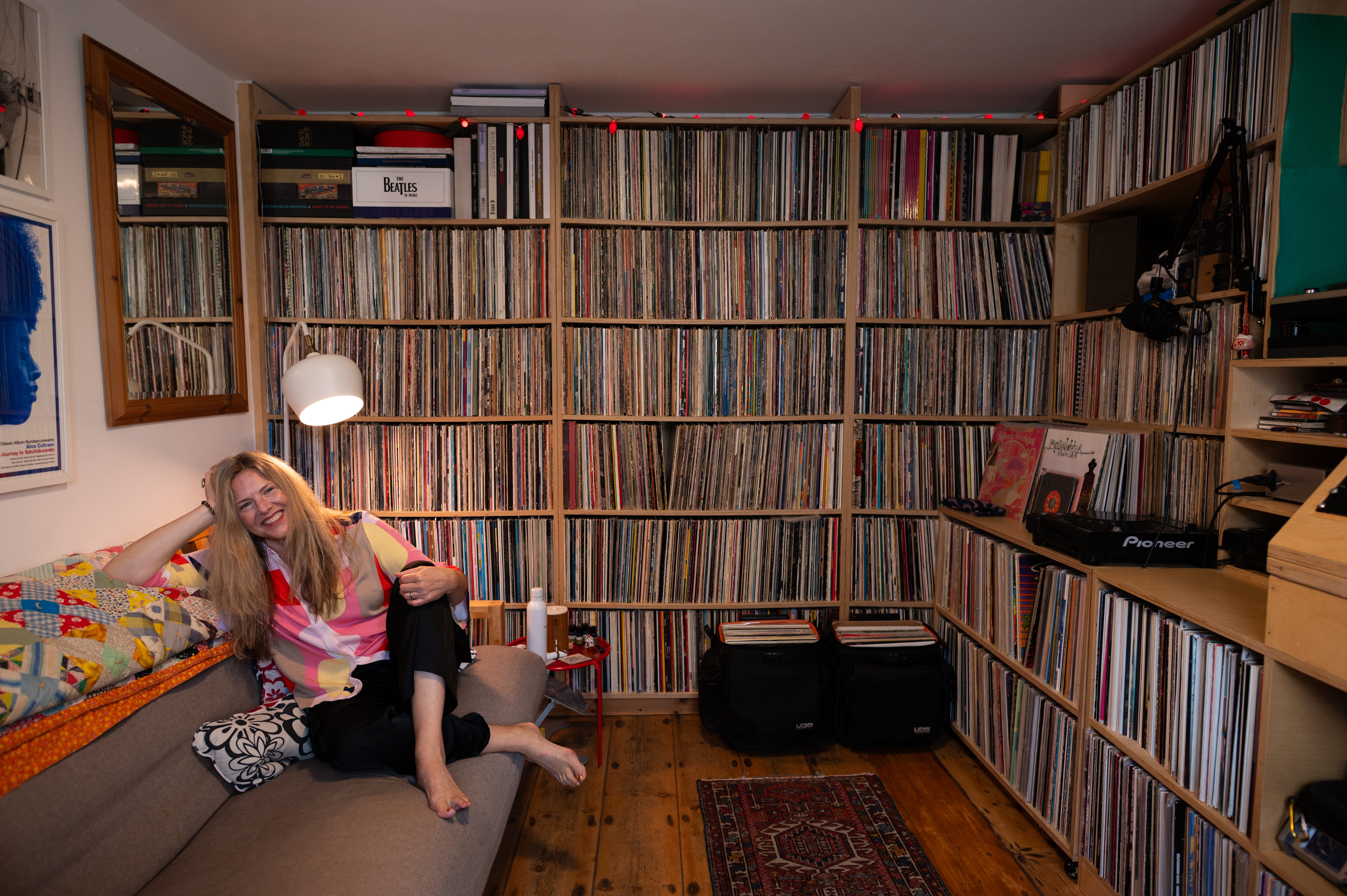
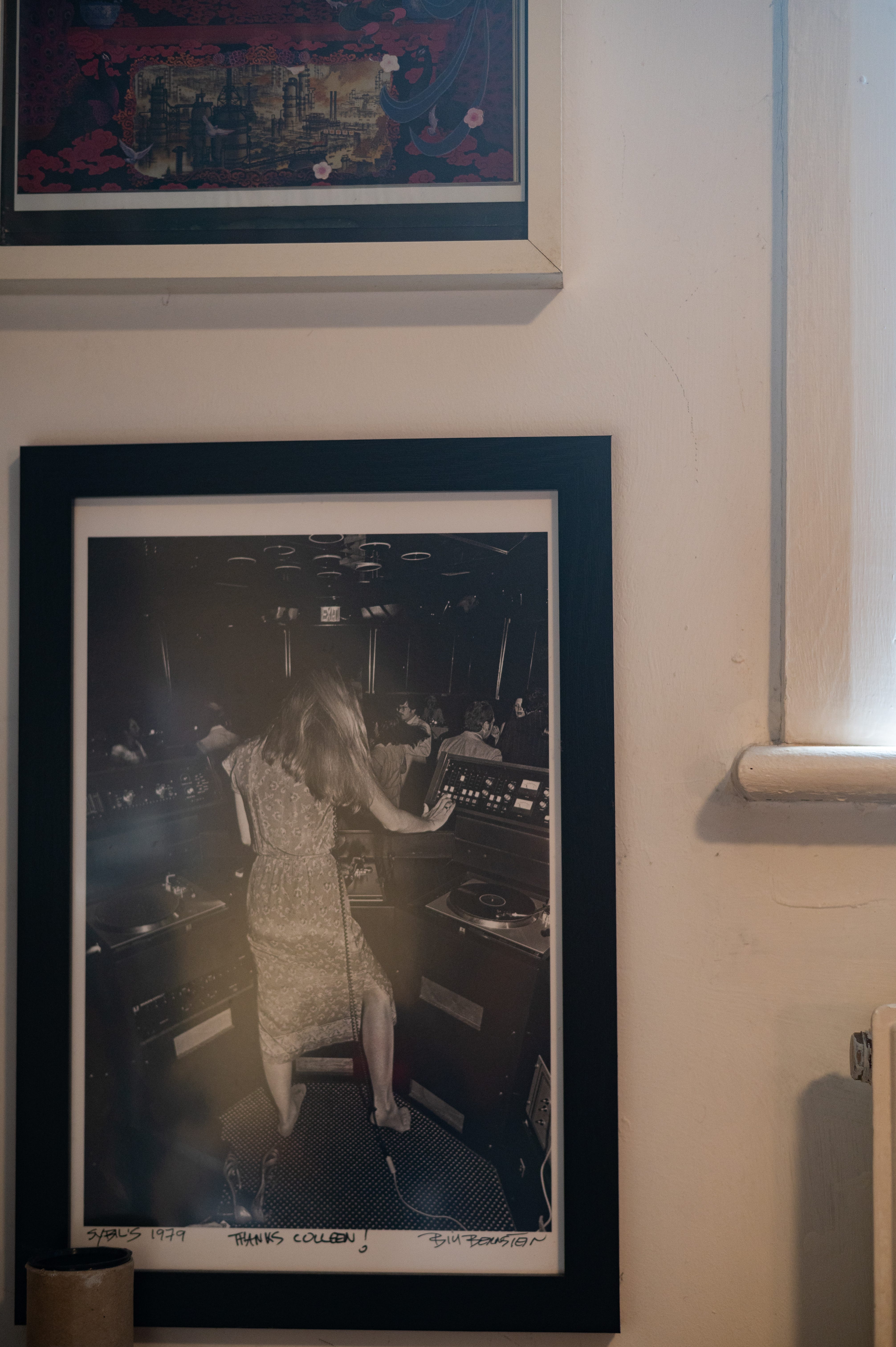
In the front room of her East London home, Colleen “Cosmo” Murphy is surrounded by records, audio equipment, and a lifetime of stories. She speaks quickly, with warmth and precision, the voice of someone who has lived inside music for four decades.
💡 Paid subscribers perk:
This month’s discount code for Bandcamp is just below. 👇
