
My Analog Journal: Listening Without Borders (Part 1)
Zag Erlat on building a global vinyl community from a London living room

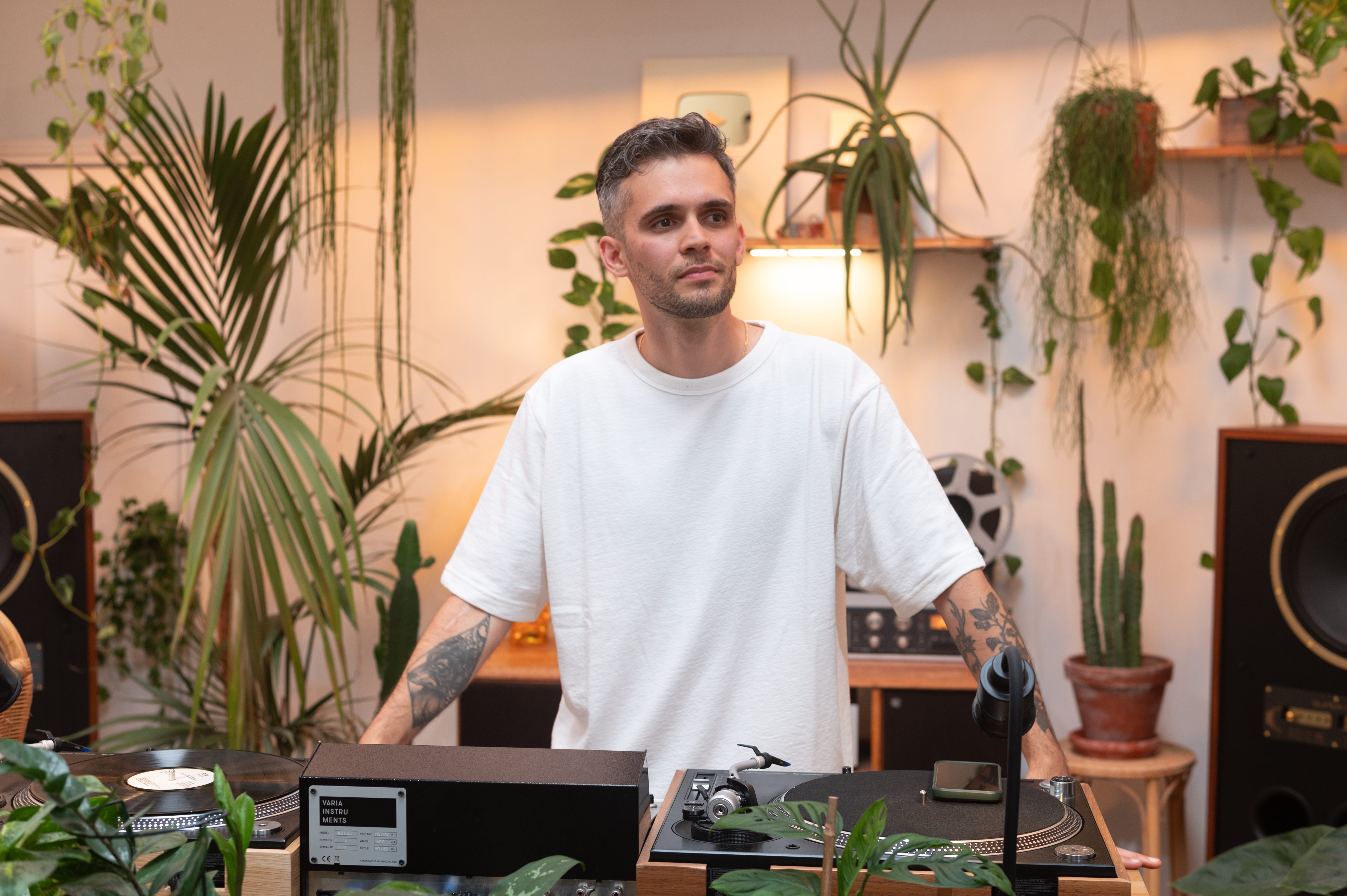
Few online platforms have changed how we discover records quite like My Analog Journal. Based here in London, MAJ has cultivated an incredible format, presenting vinyl-only mixes focused on a place, a sound and a feeling. But the impact has been far-reaching. From Brazilian reggae rarities to Turkish psychedelia, the channel has become a trusted window into deep corners of global music.
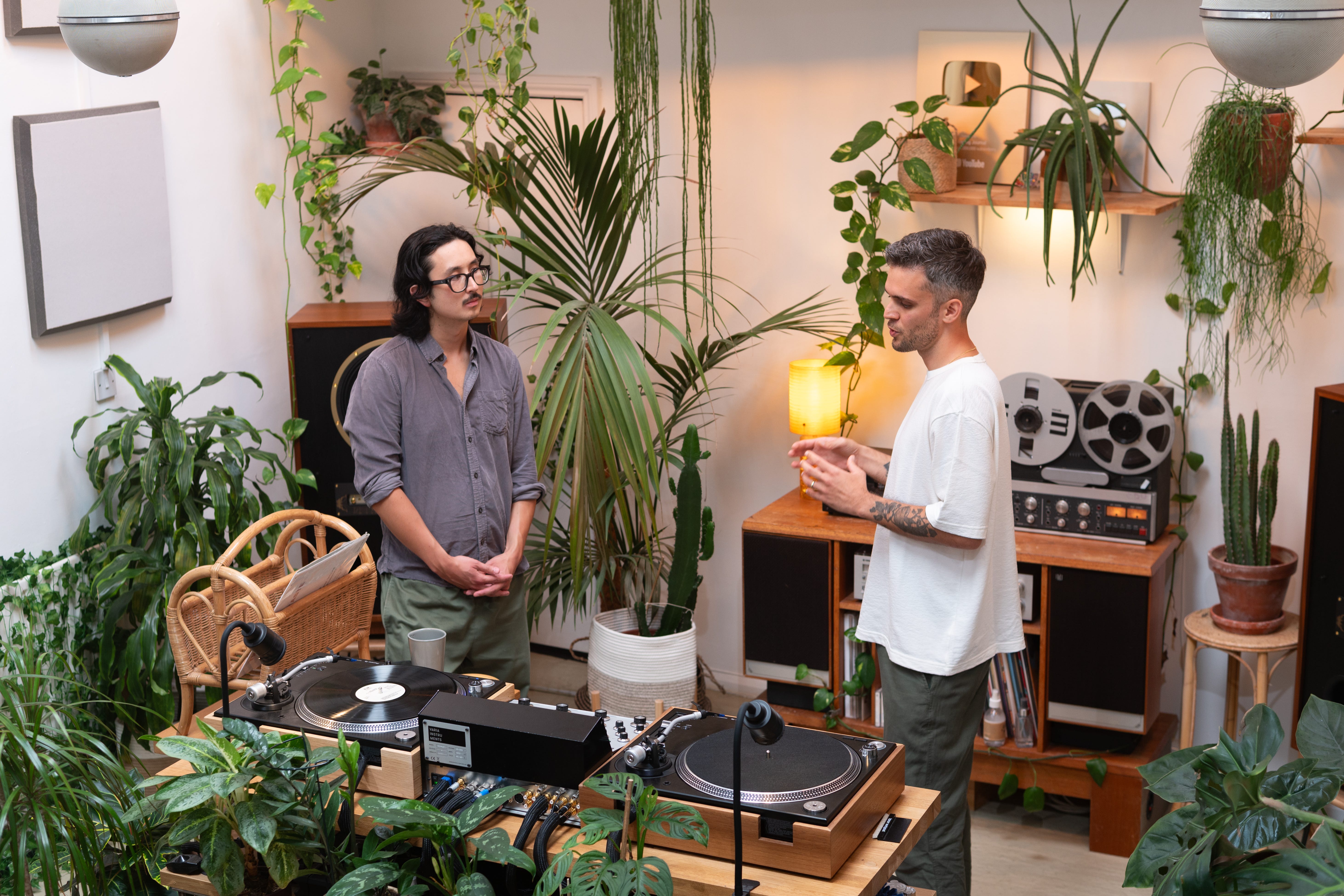
At the heart of MAJ is Zag Erlat, an Istanbul-born DJ, filmmaker and collector who moved to London over a decade ago. But the project is very much a collaboration with his partner Shaqdi, whose design eye and subtle stewardship behind the scenes shaped the studio’s atmosphere and helped bring the project to life.
In this first part of our interview, Zag speaks about the origins of the channel—its DIY roots, the turning points, and the community that’s grown around it. Part 2 takes us deeper into the equipment and sound behind the mixes.
Euan: Let’s start at the beginning, what brought you to London, and how did your journey in music and film production unfold here?
Zag: I moved to London in 2013 to pursue a master’s degree in filmmaking as the programs in Istanbul weren’t particularly strong. London Film School offered a two-year program that made sense, so I took a one-way ticket and came here for my studies.
After completing my courses, I decided to stay. I managed to secure a special visa with my Turkish passport that allowed me to form my own company and work exclusively for it. My company was a mix of music and film, as I was involved in both: I was ghost producing for artists in music production, and also working as a camera operator and assistant in filmmaking. I worked in both fields to see which one suited me better. It's been over 12 years now since I arrived, though I feel like we’re nearing the end of our London journey.
From the outset, I was aware that London is a significant creative hub in Europe, and I knew it would serve me well in that sense. My musical interests were different back then, more focused on bass music, electronic, hip-hop, and trap, reflecting my early 20s.
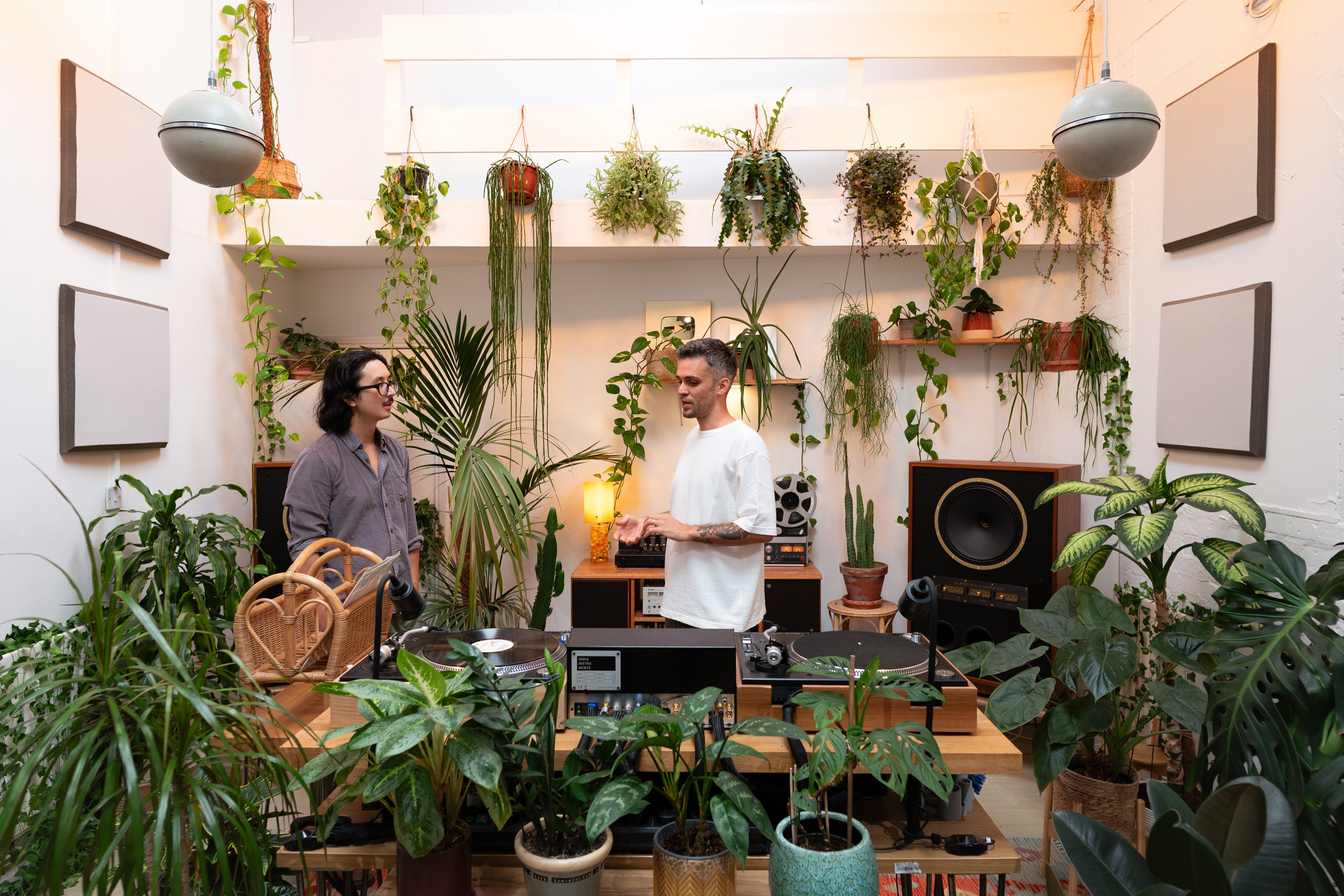
Euan: What was the spark that ignited My Analog Journal, and how did it evolve into the phenomenon we know today?
Zag: The first upload for My Analog Journal was at the end of 2017. When I started, I had zero financial expectations and no agenda to be a YouTuber; it was really just a side thing, pure passion. The biggest motivation and first steps that pushed me in this direction had nothing to do with being in London. It was when I realized the hidden treasures of music from my home country, Turkey. I was discovering all these amazing artists and songs from the 70s and 80s era and was blown away by what I had missed.
That revelation was the initial spark for uploading the first video. I wanted to play my Turkish records from the ‘70s, which was considered the golden era of Turkish psychedelic rock music, as there weren’t any vinyl sets focusing on this genre on YouTube. As I continued, people responded positively, especially to the niche where the genres were familiar, but the lyrics were completely alien to them. I found that concept—familiar musically but lyrically unknown—very appealing, particularly for a US audience engaging with Turkish music.
This insight led me to think, “Maybe I can go towards this, focusing on music with non-English lyrics but still influenced by African American–originated genres like soul, jazz, and funk.” I realised there was a huge untapped area of non-English lyrical music to discover. I truly resonated with this “organic music, pre-electronic music from the 60s and 70s towards the 80s.
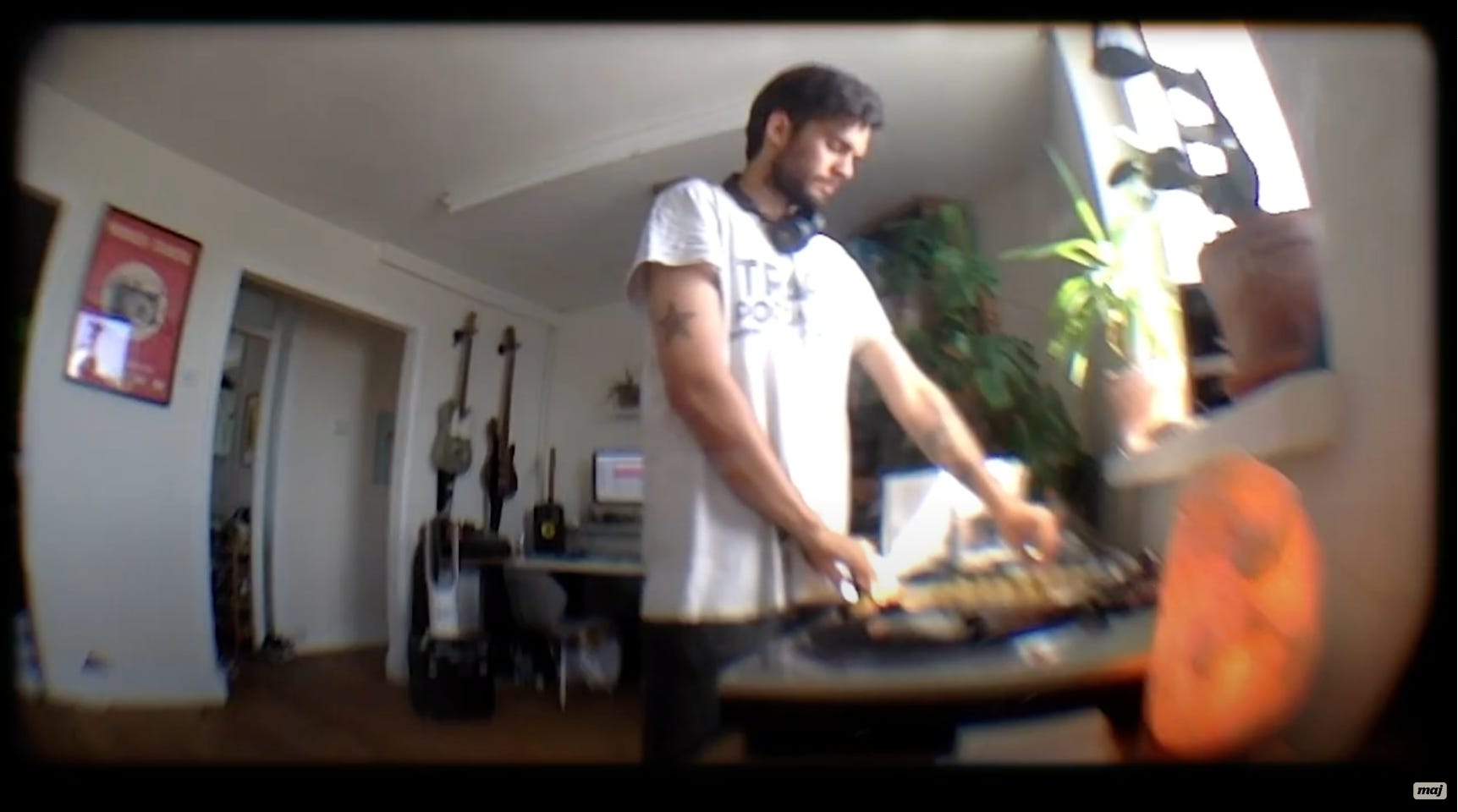
My Analog Journal gained significant viewership in 2018-2019. The pandemic unexpectedly served the channel well; being locked down meant I could spend more time investing in better cameras, lights, and ideas. Since people couldn't visit our house then, I was doing my own mixes, and a few sponsorships helped provide motivation, making me realize it wasn't just a passion project anymore.
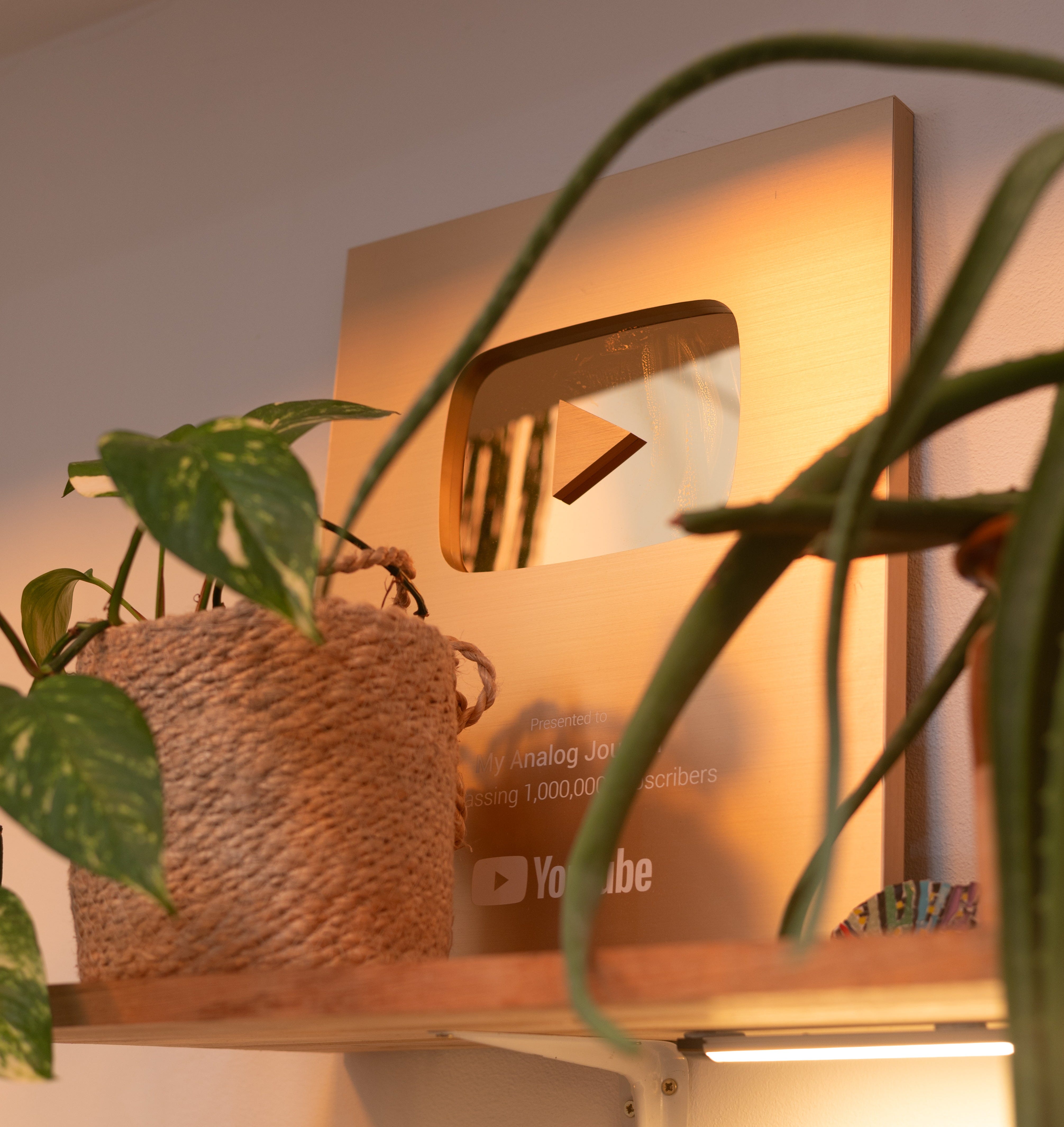
We then reached a crossroads. We didn't want to continue operating from our small London flats, filled with records and lights, so we decided to take a risk and rent a dedicated space. Crucially, we opted against ad support and traditional sponsorships with brands that are not music related, as I felt it damaged the whole vibe of the channel. Instead, we chose a community route through Patreon, which became the primary source to maintain operations. Once we put effort into pushing that community, it truly made sense. Today, we have over 3,000 people donating to maintain the channel.
Euan: How did vinyl become central to your work, and what’s your approach to record collecting, particularly given your focus on rare Turkish music?
Zag: For me, the vinyl medium followed my curiosity, not the other way around. Realizing there were so many things to discover on the Turkish side of things, and the medium being vinyl—particularly 7-inch singles—was key. To me, that was the golden era of Turkish music: so deep, so many varieties, and a lot of fascinating trial-and-errors and experimental sides. I enjoyed the physical aspect of vinyl. My record collecting history is quite recent; I was curious around 2015, but I’d call myself a collector since 2018.
My trips back to Turkey while living in the UK were what sparked this passion. I’d visit specialized shops, though most couldn't survive the pandemic and are now online. Whenever I visited home, I would collect hundreds of 7-inches to bring back. My sources of discovery weren't limited to shops; I developed contacts with many private sellers, and Facebook groups with their own auctions became a huge source for Turkish records.
Lately, the prices for these records are incredibly high, 10 to 20 times more expensive than five or ten years ago, due to a massive European interest which has pushed prices up in euros and pounds. I feel like I caught the last train because now you can pay £300 to £500 for a single 7-inch, which I find unjustifiable for just a piece of plastic. It hurts to pay, but it's part of the game.
Euan: Your channel's name, "My Analog Journal," suggests a connection beyond just music. Can you elaborate on its origin and how it evolved?
Zag: I’m actually not the biggest fan of the “My Analog Journal” name now because it feels cringe to call something "mine". But the reason I called it "My Analog Journal" initially had nothing to do with music. At that time, I was deeply into analog photography—buying film, shooting with 35mm cameras and medium format film. I wanted a dedicated page to gather all those photos daily, and "Analog Journal" sounded like a nice name. However, it was taken, so I simply added "My" at the beginning to make it unique, and it worked as a username. I thought, "Okay, I'll just put some photos".
My record collection came after that. I saw the link—both mediums are analog—so I decided to combine them instead of creating another page. I used the tagline: "photography on film, music on vinyl". I would alternate posts: one week 35mm camera photos, the next Turkish records, then photos again, then music. But I quickly noticed that the music side was getting significantly more interest than the photography. If photography got 10 likes, music would get 100. I thought, "Okay, maybe there is something there to explore," and eventually, I ditched the idea of photography and moved on to the music.
Euan: So, within London, if you go digging somewhere, are there any particular shops that would stand out to you as places to find obscure, interesting records?
Zag: Definitely. As a collector and listener, I never limit myself to genres or countries. That’s the whole point of the journal—staying open. I don’t dig for a specific genre; I let curiosity guide me. That said, there are a few shops I really enjoy.
VDS London is incredible for Japanese pressings and deep US cuts—I often find things I’ve never seen before, which leads me down new paths. Love Vinyl is strong on disco, jazz fusion, and rare US stuff. Jelly Records has brilliant Latin and African selections. And Yo-Yo Records, just two minutes from where I live now, is dangerously convenient.
Euan: Records are not that cheap though.
Zag: No, but I see it as paying for someone else’s research. Certain shops deserve that extra bit—they help me find things I wouldn’t otherwise. Some shops get called expensive, but to be able to see my point of view and get into synchronization, it requires some expertise so I see that as a value.
Euan: What are the core values that drive My Analog Journal today, and how do you approach selecting artists and themes for your episodes?
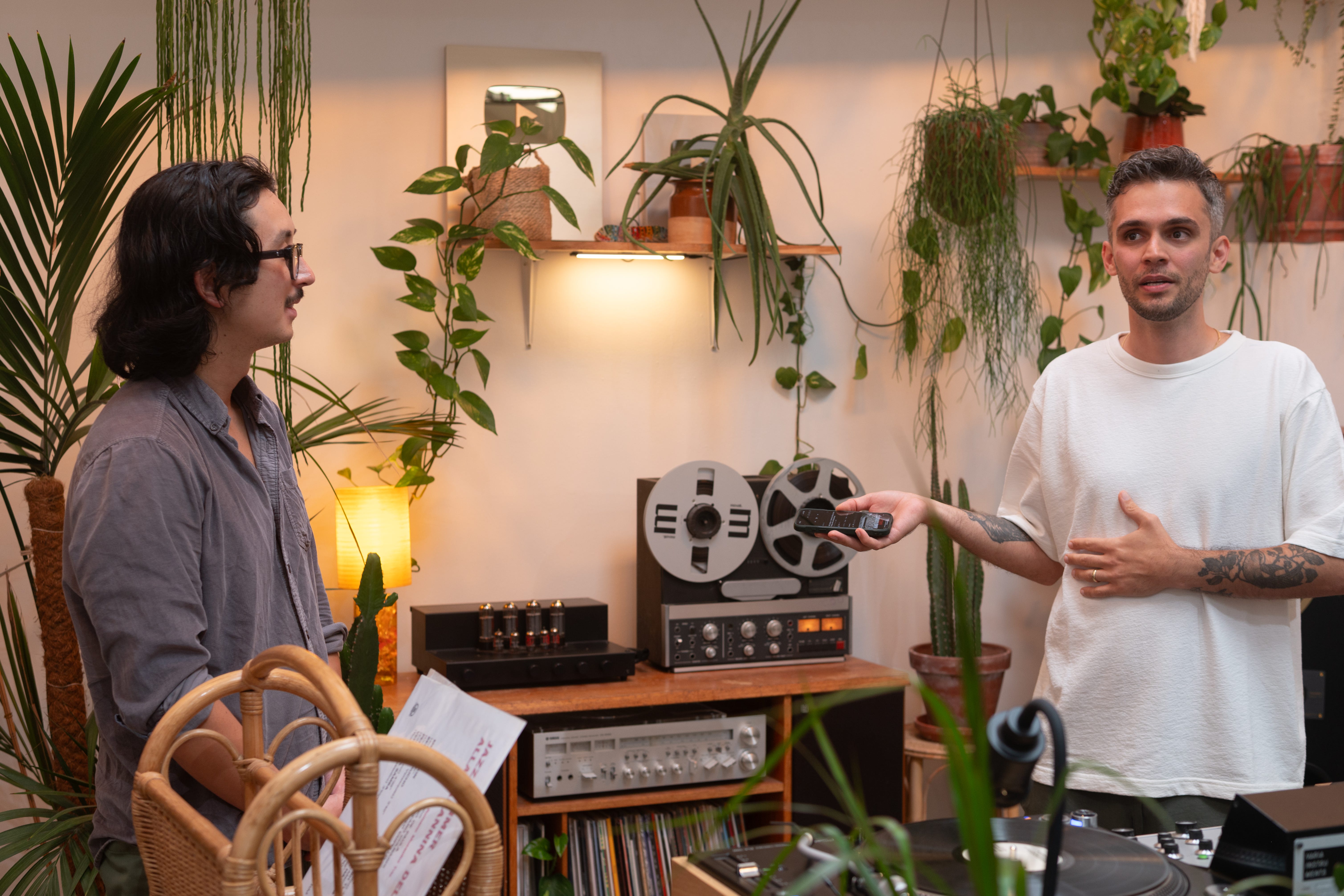
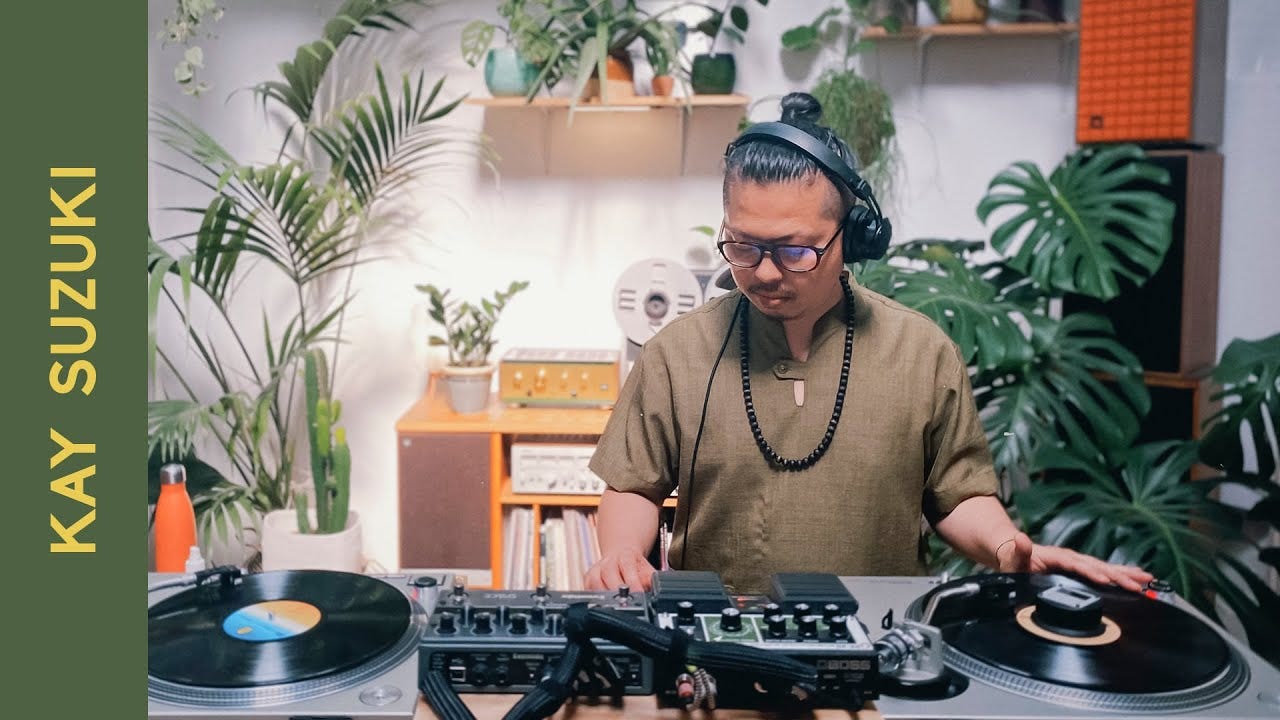
Zag: The core has definitely remained, but I think I’ve come to understand it better, and I've grown to understand and respect the culture around the medium, not just the gear. This includes the culture of digging, asking questions, and the beauty of conversations with like-minded people like Kay Suzuki, Charlie Dark, Cedric Woo, Jamal from Distant Rhythm or another great digger friend Miche. That’s been the biggest win for me: being exposed to incredible music and witnessing it firsthand.
For the bigger picture, I see MAJ as a valuable archival material. We have almost 500 episodes of incredible musical treasure, and I often revisit old videos, rediscovering things I’d forgotten. As your perspective widens, certain things become more valuable in hindsight.
The values that are more important to me now are the importance of community, dance culture, research, and understanding the foundation, history, and struggles behind certain music. I was more reserved before, but I’ve stepped out of my comfort zone to ask questions and have conversations with people who played amazing tunes. This channel has, in a nutshell, made me a better person.
When it comes to bookings, the most important thing is a story, a theme. The channel has a big archival and research side, so it needs to be educational; it’s not just about playing records for the sake of it. I always value exploring something we've never explored before, and often these aren't the most successful videos in terms of views, but I don't care. While I enjoy the successful videos, I have more passion to watch those approaches that are more educational.
The most common way we book guests is through friends of friends. For example, when Kay Suzuki plays, he might recommend a friend who would bring a lot to the table. This is the safest option because I trust their judgment implicitly. We also receive direct requests. Sometimes, people with only a few hundred followers but a very specific niche in music will write in, and I'm eager to invite them. However, I generally avoid generic requests like a disco episode because there are millions of them already, unless they have a very specific, unique touch.
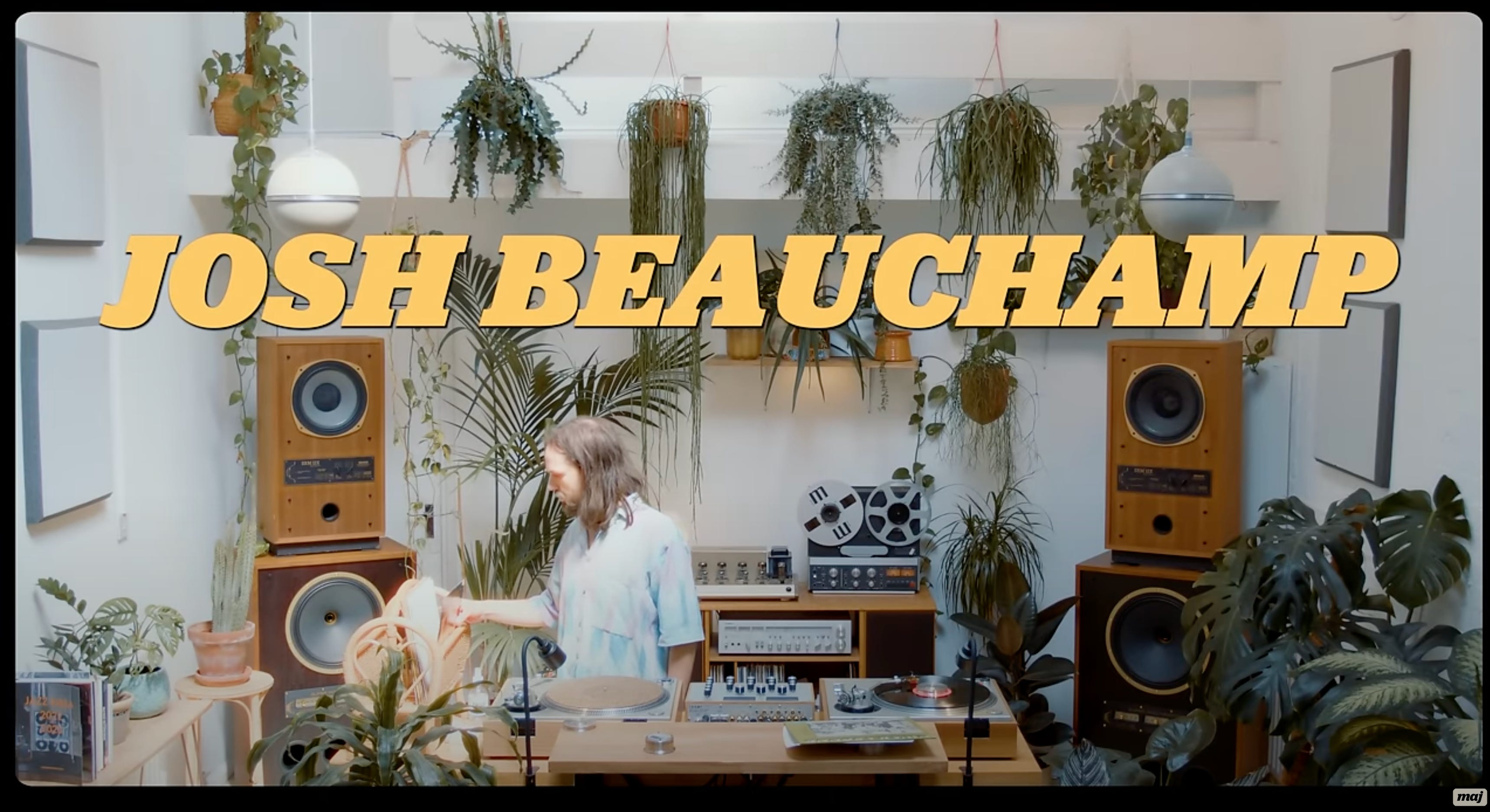
There are so many underrated episodes that I believe deserve more love. For instance, we featured a DJ called Daniel Cantagalo from Brazil whose project is dedicated to Caribbean-influenced Brazilian music which is mind-blowing and something you wouldn't expect. That episode only has 16k views, compared to a Jazz House episode that garnered 118k views. It’s a shame it didn't reach more people. We've even had people fly from as far as Kazakhstan for an episode, simply because they see us as a platform to represent their music to a wider audience, which is incredibly flattering. An episode on "dance party endings" by Josh Beauchamp was incredibly fluid and amazing, capturing that “6:00 a.m., tired-but-happy” vibe, yet it had only 15k views.
I believe MAJ has played a role in showing people that you can dance to this kind of music that you wouldn't otherwise, introducing them to a huge rabbit hole where you can dance without a single kick drum. For me, witnessing the vibe of loft parties like Beauty and the Beat or Lucky Cloud Sound System —with snacks, fruits, and everyone happy for six or eight hours—was a life-changing experience. I was never a club person, but that culture made me enjoy dancing. Once you witness that, there's no going back.
The project can never truly end because you can never consume all the music; there's always something that you still have no idea. Even if we've covered a particular territory, different DJs bring so different perspectives to the same subject. As long as an episode doesn't repeat the same story from the same perspective, we are always eager to explore it. We're also trying to think strategically about marketing, using playful and creative titles to explain episodes, which helps bring more people in.
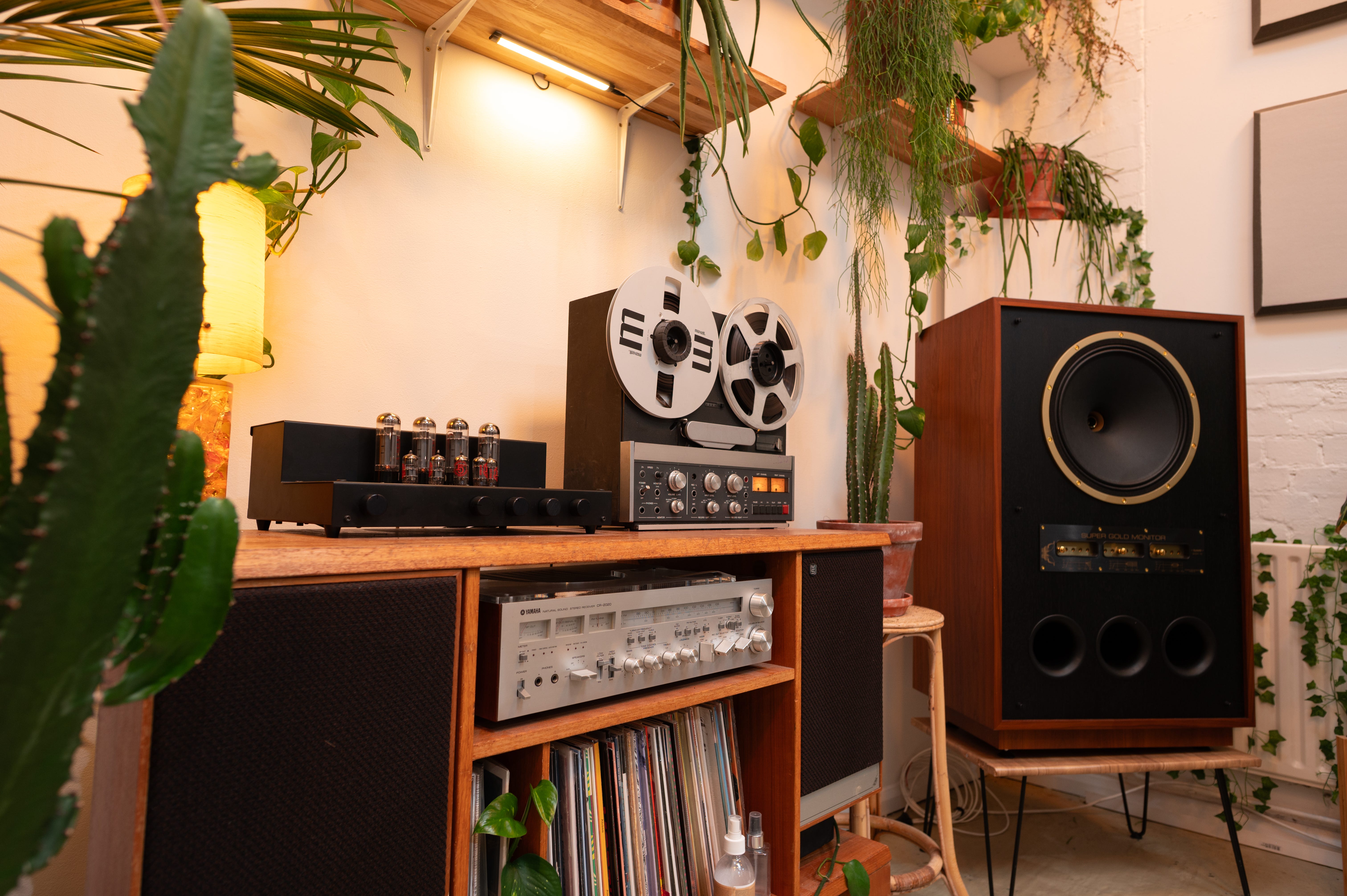
This initial journey highlights how a personal passion, rooted in cultural discovery and a love for vinyl, blossomed into a global platform. In Part 2, we dive deeper into the technical side, exploring the evolution of My Analog Journal’s distinctive sound, the crucial gear, and the pivotal partnerships that have shaped its renowned audio experience.
💡 Paid subscribers perk:
May’s discount code for Bandcamp is just below. 👇
Keep reading with a 7-day free trial
Subscribe to Time Capsule to keep reading this post and get 7 days of free access to the full post archives.