

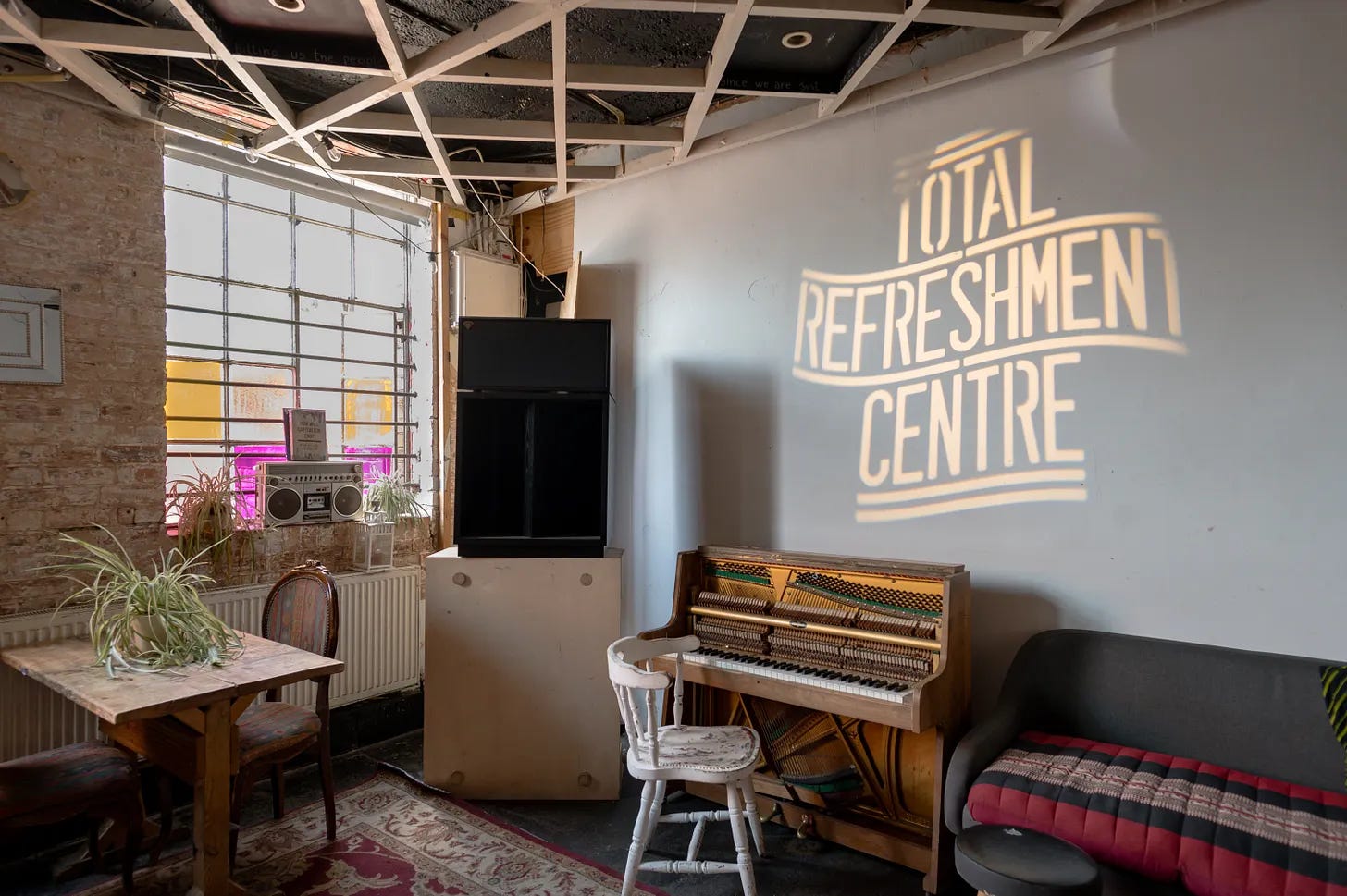
Behind an unassuming entrance in Stoke Newington sits one of London’s most influential musical spaces.
Total Refreshment Centre has been a recording studio, rehearsal room, venue, home, record label and meeting point. Musicians including Shabaka Hutchings, Alabaster DePlume, The Comet Is Coming, Nubya Garcia, Femi Koleoso and Joe Armon-Jones have passed through its rooms. International visitors have arrived for a week and left with recordings, new collaborators and long-term friendships.
Ask founder Lex Blondin to define TRC, though, and he hesitates.
The value of the place has always come from keeping its purpose open.
A conversation can become a rehearsal. A rehearsal can become a band. A band can become a record. Someone may arrive alone and find themselves playing a concert a week later.
“TRC is the network of people,” Lex says.
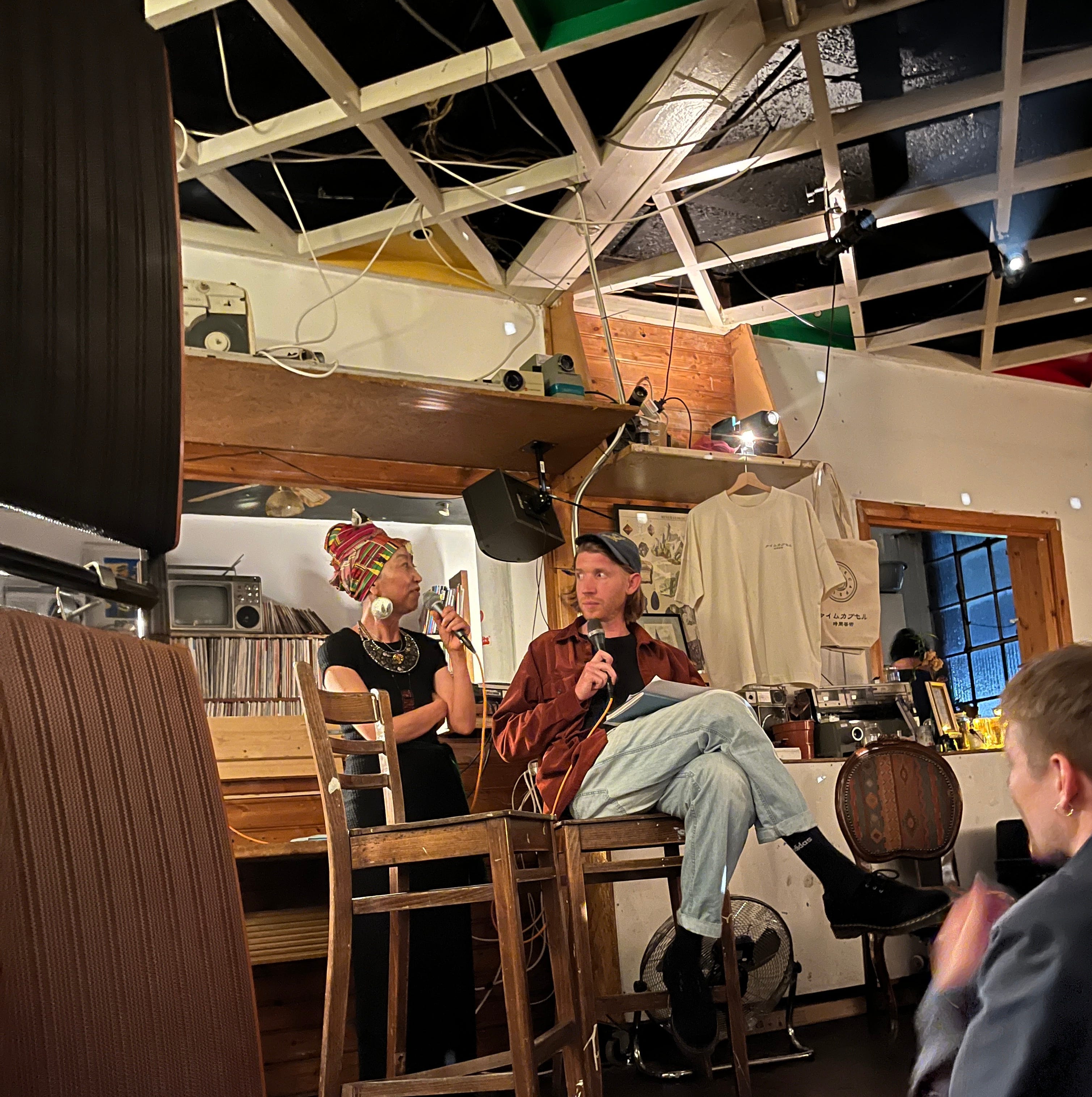
In the first part of our interview, Time Capsule’s Euan McGinty speaks with Lex about the formative spaces that shaped him, finding TRC through a badly written Gumtree advert and creating an environment where people could make things happen together.
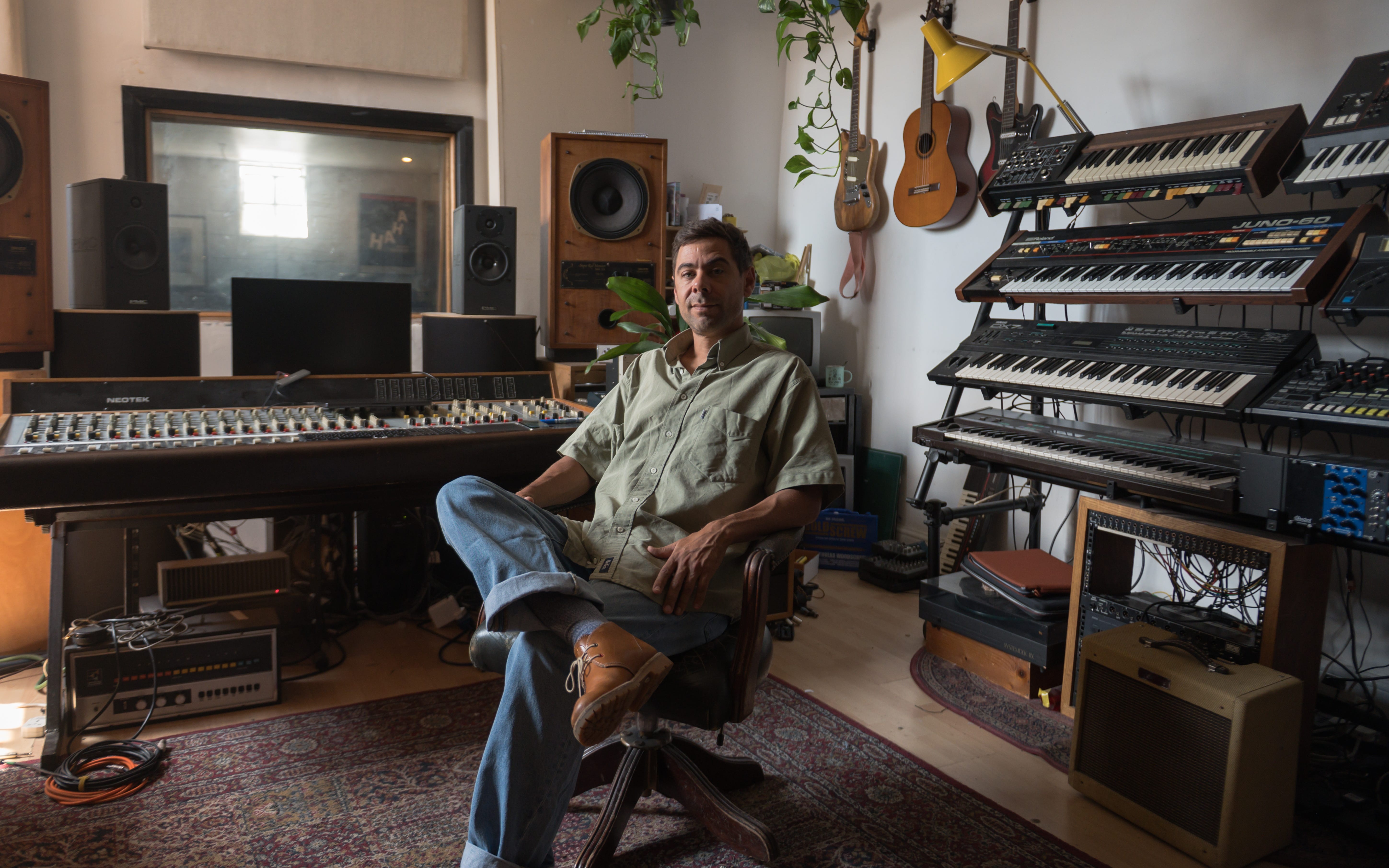
Euan McGinty: What were some of your formative musical experiences in London? What eventually led you towards starting a space?
Lex Blondin: I moved here in 2004 to study. While I was studying, I was exploring alternative scenes and discovering the warehouse culture in Hackney Wick, long before the Olympics and the gentrification that followed.
Through friends, I started visiting squats in South London. The laws were much more relaxed then and people could legally occupy some incredible commercial buildings.
There was an old printing factory near St George’s Circus in Elephant and Castle called Colorama. Around ten people had taken it over. They made bedrooms upstairs and turned the ground floor, which was probably about 400 square metres, into a gig space and theatre.
They built a wooden structure with tiered seating and a bar. One room became a little music studio and club. Another became a bicycle workshop.
What inspired me was seeing people combine their skills and resources. Someone would mention something they wanted to make. Someone else was a carpenter. Another person had access to some materials. The next thing you knew, it existed and everybody benefited from it.
People who have never experienced a squat might imagine raves and drugs as the main thing. I saw people helping one another create the things they wanted to work on.
Colorama was a very inspiring place.
Euan: You were also living in unusual spaces yourself around that period.
Lex: I was living in buildings managed by Camelot, the property guardianship company. First, I was in Stoke Newington, where I had a bedroom and another room that I could use as a studio.
Then I moved into the former headquarters of the Bank of Scotland in Elephant and Castle. My bedroom was about 250 square metres, in Zone One.
It was a long, early twentieth-century warehouse-like room with windows running along the side. There was loads of space and you could make a racket without anyone complaining.
When you have space, people suddenly have things they can bring. They have a drum kit they cannot use in their flat, some large speakers or a piece of equipment sitting somewhere.
Friends lent me a drum kit, an old mixer, a delay machine, a reverb and microphones. Suddenly, I had this strange DIY studio where we could experiment at two in the morning.
I was listening to a lot of post-punk. The acoustics of that warehouse, the analogue mixer and my Boss delay sounded like early 1980s London to me. Punk, dub and everything else the city offered coming together inside a big room.
That was when I became attached to having a creative space. Once you have experienced that freedom, it is difficult to go back.
Euan: Then the guardianship ended.
Lex: That is the problem with guardianship. You never know when the owner will want the building back.
It was eventually demolished and turned into student flats.
Losing that space gave me the motivation to find another one. I needed space in a spiritual sense. Somewhere to find like-minded people, make things together and present the music I loved.
There was luck involved in finding TRC, although there was also a determination that I was going to keep looking.
“SPACE PERFECT FOR MUSIC SCHOOL”
Euan: How did you eventually find this building?
Lex: Before this place, my friend William and I found a large empty floor near Stoke Newington police station.
I had walked into the building one day because the door was open. It was around 700 square metres, with windows on every side and no internal walls. There was a pile of debris in the middle with an analogue mixer sitting on top. It felt like destiny.
A few months later, we returned and a Turkish guy had built ten rooms inside it. We explained that we wanted to make a studio, and he let us build one.
As soon as we finished building it, he kicked us out.
Around a week later, I saw this place advertised on Gumtree.
The advert was terrible. There were dark photographs, a pile of rubbish in the middle of the room and one line written in capital letters:
SPACE PERFECT FOR MUSIC SCHOOL
That was it.
I recognised the building because I had visited it when it was a Caribbean social club called Mellow-Mix. I lived around the corner, although I had never realised that the entrance on the high street led to the same space.
We came to see it and discovered the main hall plus another thirteen rooms.
We completely fell in love with it.
I convinced William and a few other people to join me, and that was how we started.
Euan: What was the original intention?
Lex: I wrote down a simple set of intentions on a piece of paper.
The main idea was to bring like-minded people together who had different skills and resources, so we could collaborate on whatever each person wanted to make happen.
Someone might want to make an album. We had an engineer who could record it. Someone could make a film. Raymond Wong could create the artwork or a poster.
It was about creating an environment where things felt possible because we had each other.
I also had a precise idea of how I wanted the place to feel.
I am from Paris, and moving to London was partly about searching for something different. I love jazz, busking and everything between those worlds. I wanted different communities to meet rather than creating another place organised around one musical identity.
In Paris, I often felt that scenes were divided. The hip-hop people stayed with the hip-hop people. Other groups had their own clothes and codes.
London felt more open.
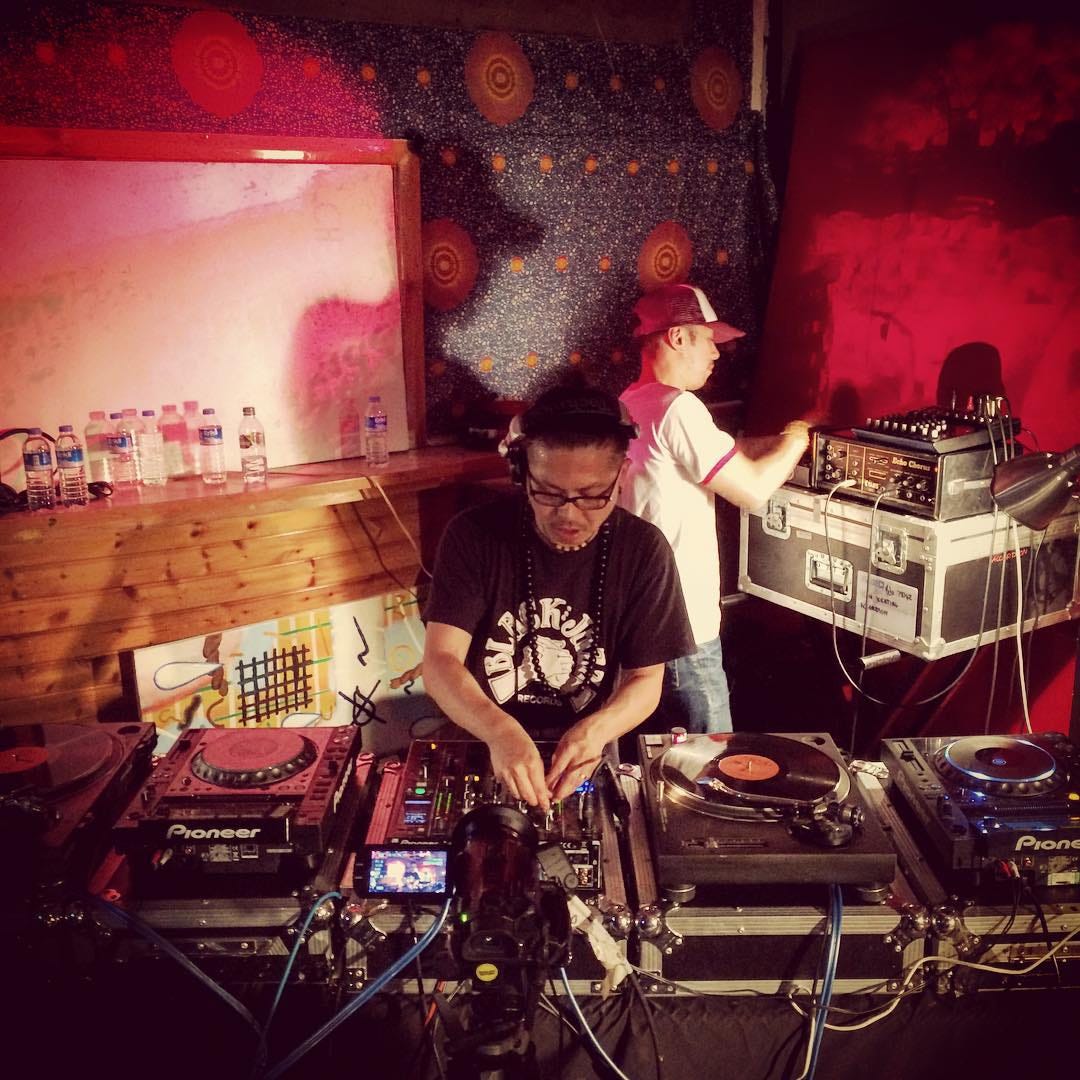
The early years of TRC probably had more of a post-punk angle because that was what I was obsessed with, although post-punk itself covers a broad musical territory. We might have had a dub DJ followed by Capital K performing his own music. DJs such as Cherrystones and Gary the Tall played here.
NTS started at around the same time and there was a natural connection. I enjoyed making links between records that might not appear related at first.
The Golden Era
Euan: Were artists living in the building from the beginning?
Lex: Pretty much. That continued for around five years.
There was a golden era when everybody living here was committed to what was happening. We found a rhythm and did not overdo the parties.
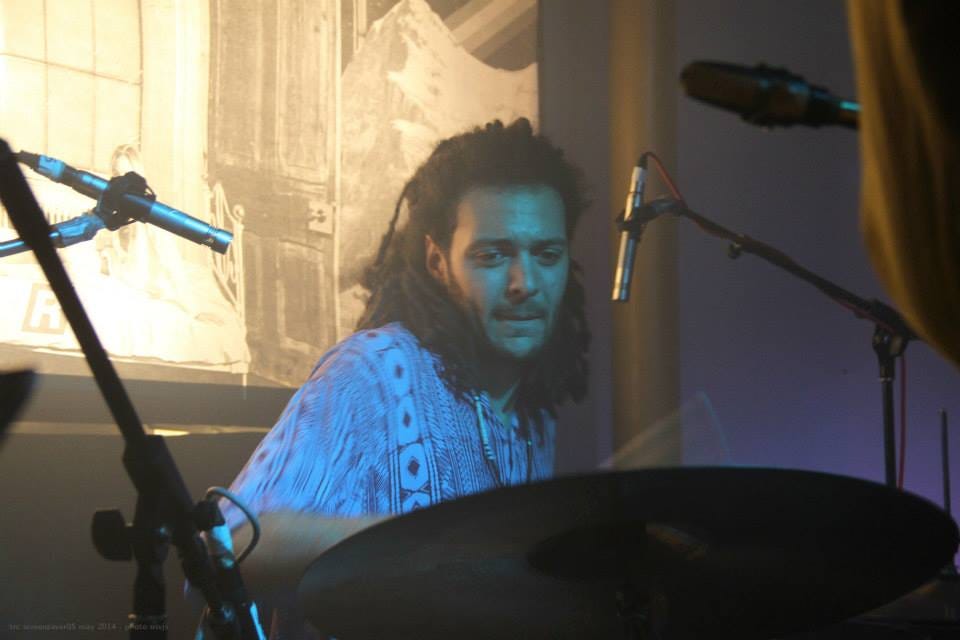
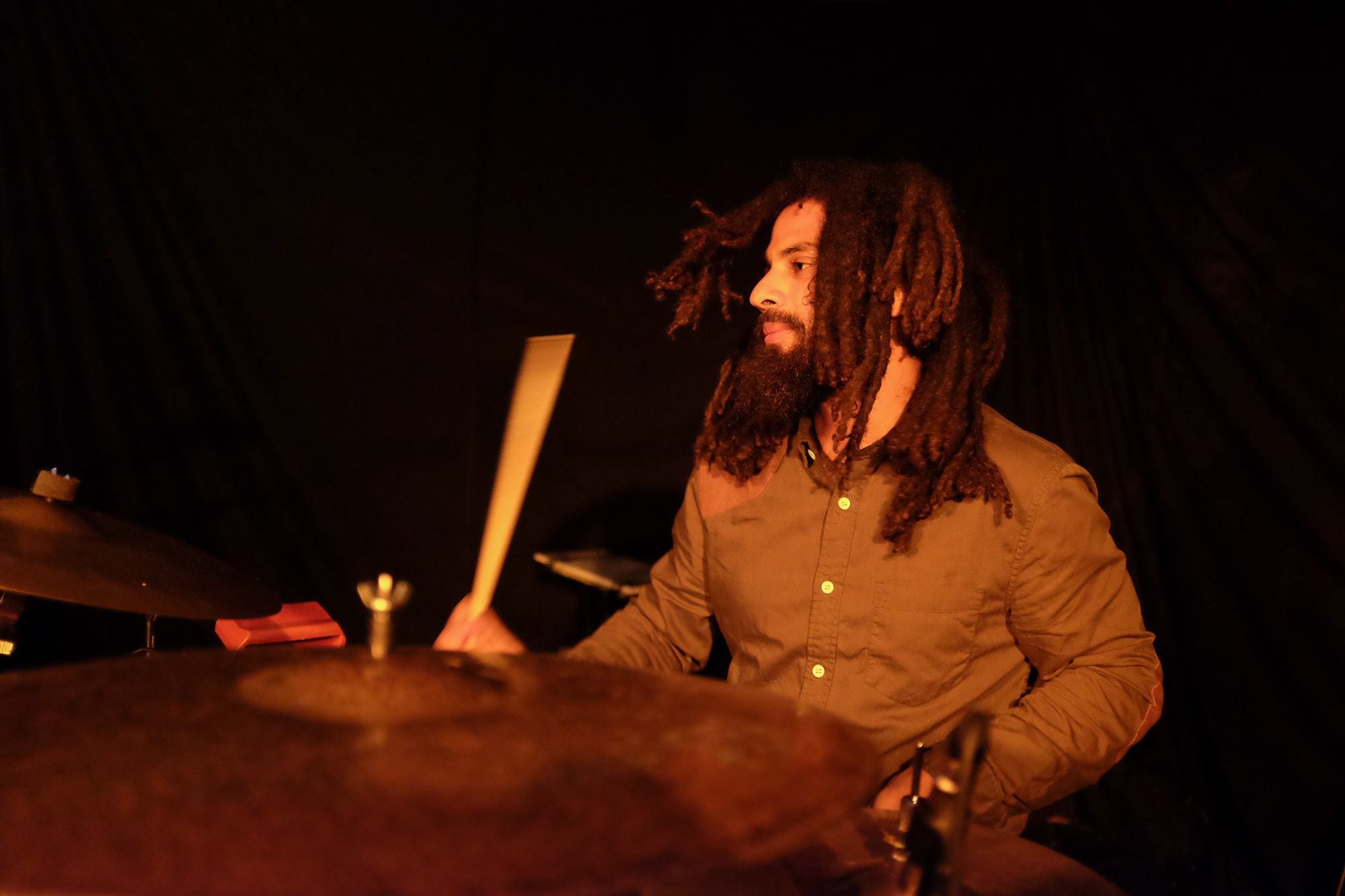
Shabaka lived here with his partner at the time. Maxwell Hallett lived here too. For a drummer such as Max, having access to a studio where you could practise a snare roll for eight hours was perfect.
Eventually, the bedrooms became production studios. We went from having a couple of producers and occasional bands coming in to eight production rooms, often shared by three people.
That created another level of activity.
People met one another and began collaborating simply because they were in the building.
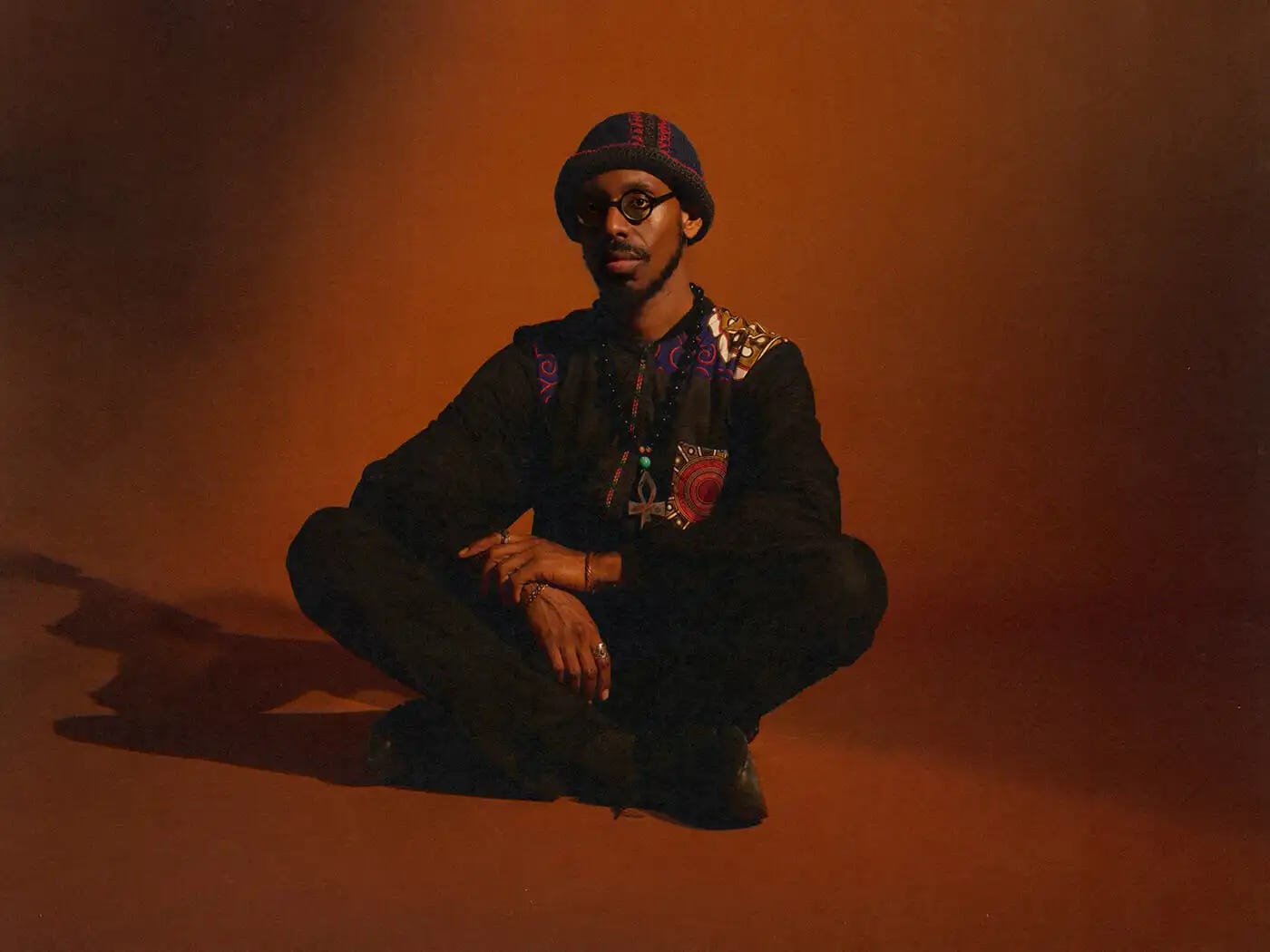
When Alabaster DePlume moved here from Manchester, he had the perfect attitude. He began meeting musicians and started a monthly night called Peach. Every month, he presented his music with different people he had met.

That kind of energy can unlock somebody.
You can arrive here alone and, a few months later, have a band and an album. Sometimes it happens much faster.
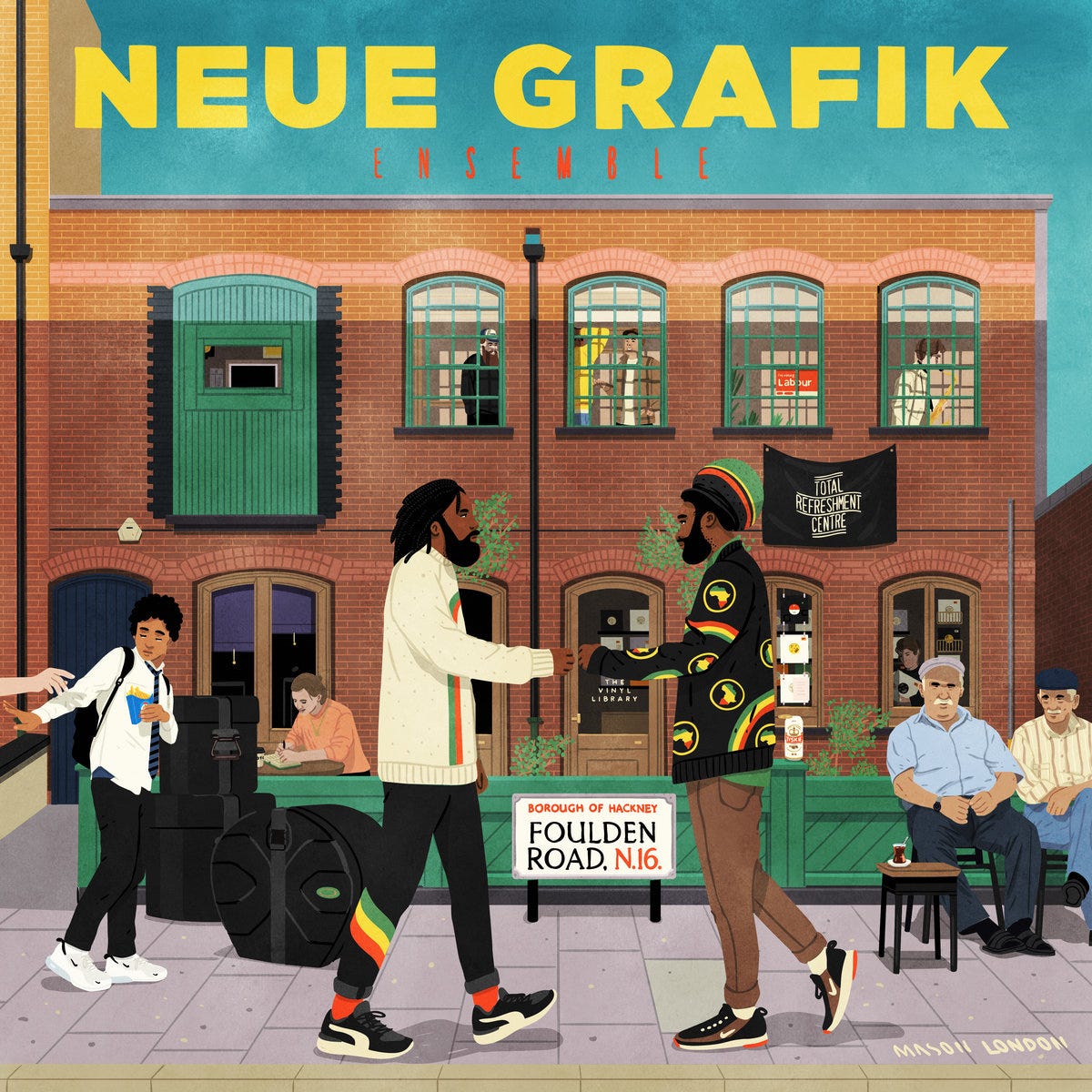
Neue Grafik once came to do a radio show and stayed for a week. I heard him playing some tunes on the piano and said, “I’ll find you a band. There is a gig next week and you’re playing it.”
One week later, he had a band. That is the value TRC can offer.
A Swiss Army Knife
Euan: When I first heard about TRC, people seemed to struggle to define it. It was a venue, although it was clearly more than a venue. How did you describe it?
Lex: I would not necessarily define it.
There is value in keeping it open. It is not a blank canvas, because the place has its own character. Still, people can invent different ways of working here.
Someone will contact me with an idea that is not completely formed. Through a conversation, we can often make something happen that would have been difficult elsewhere.
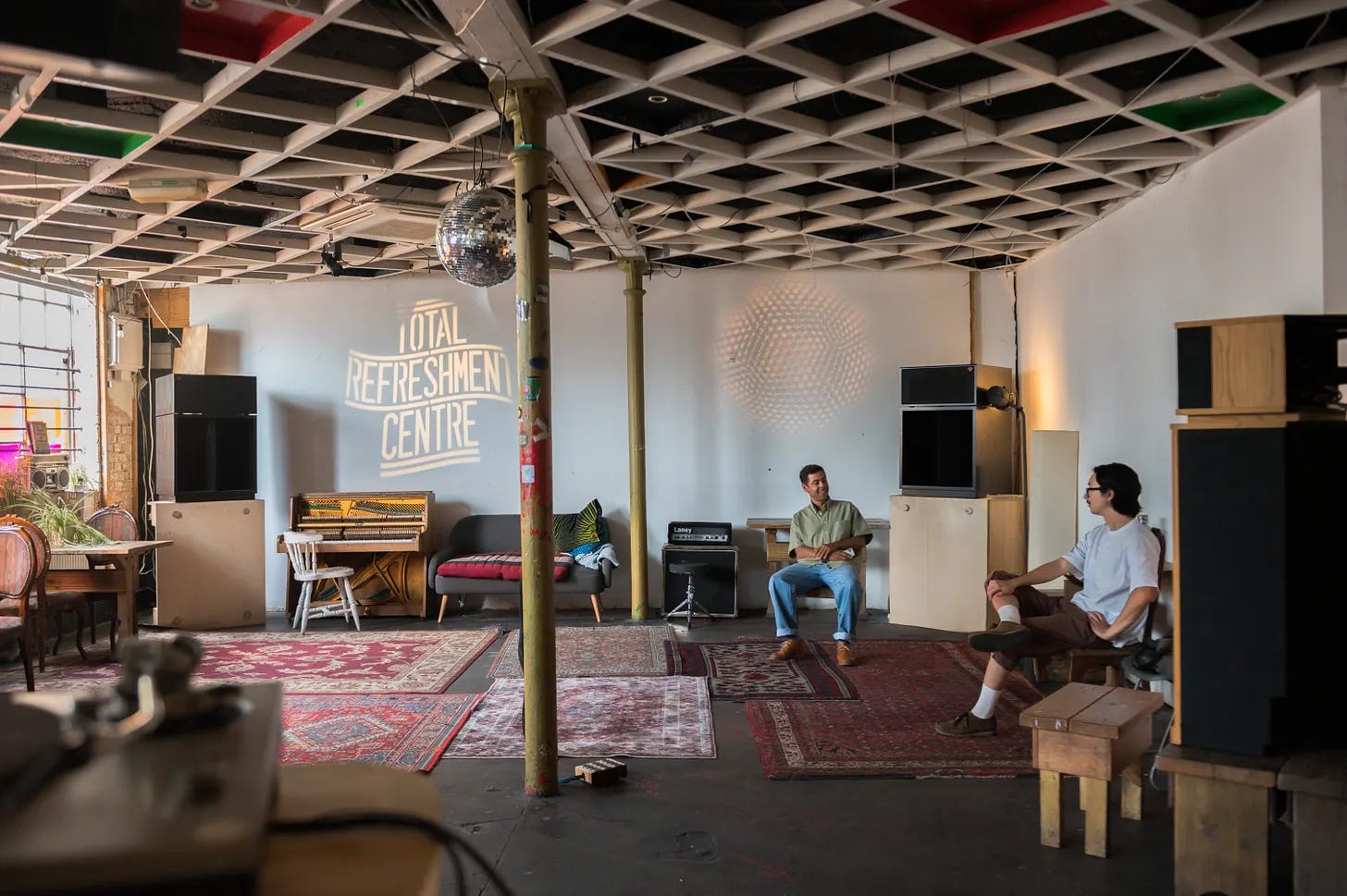
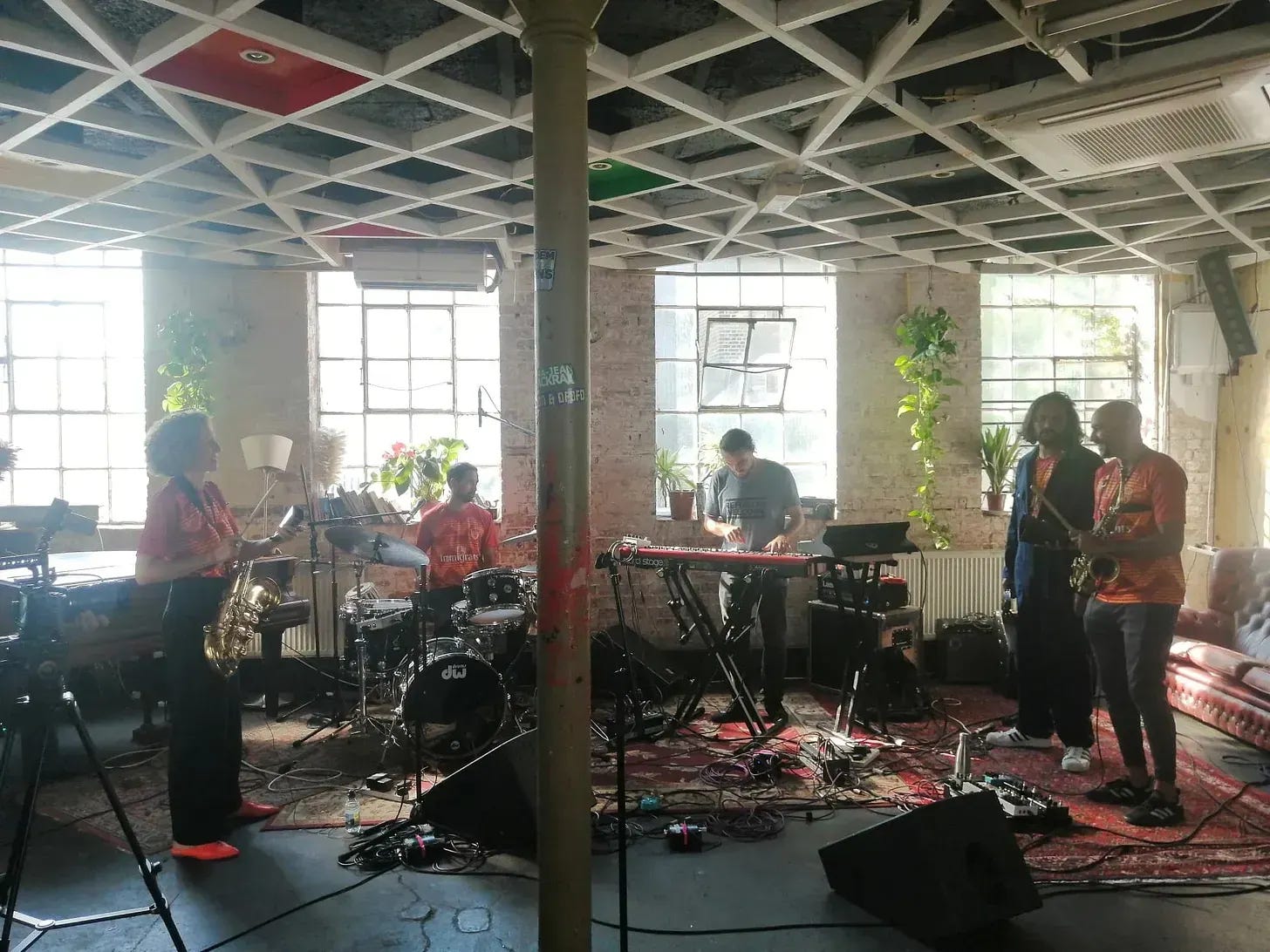
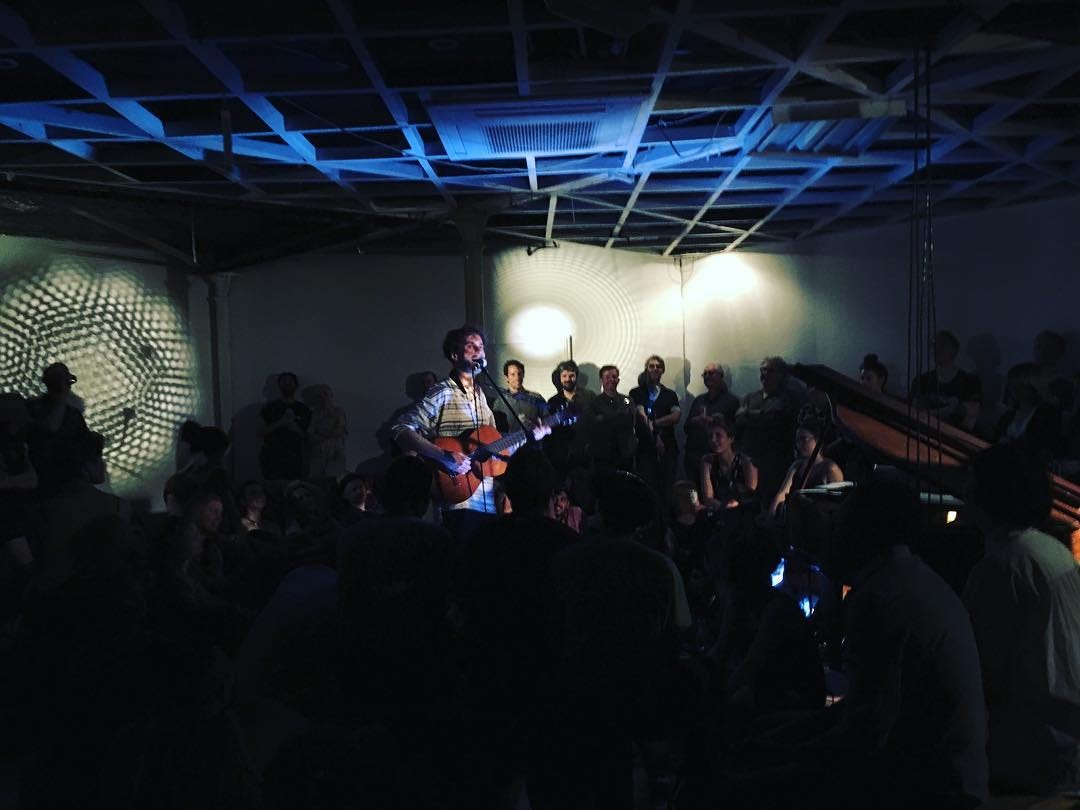
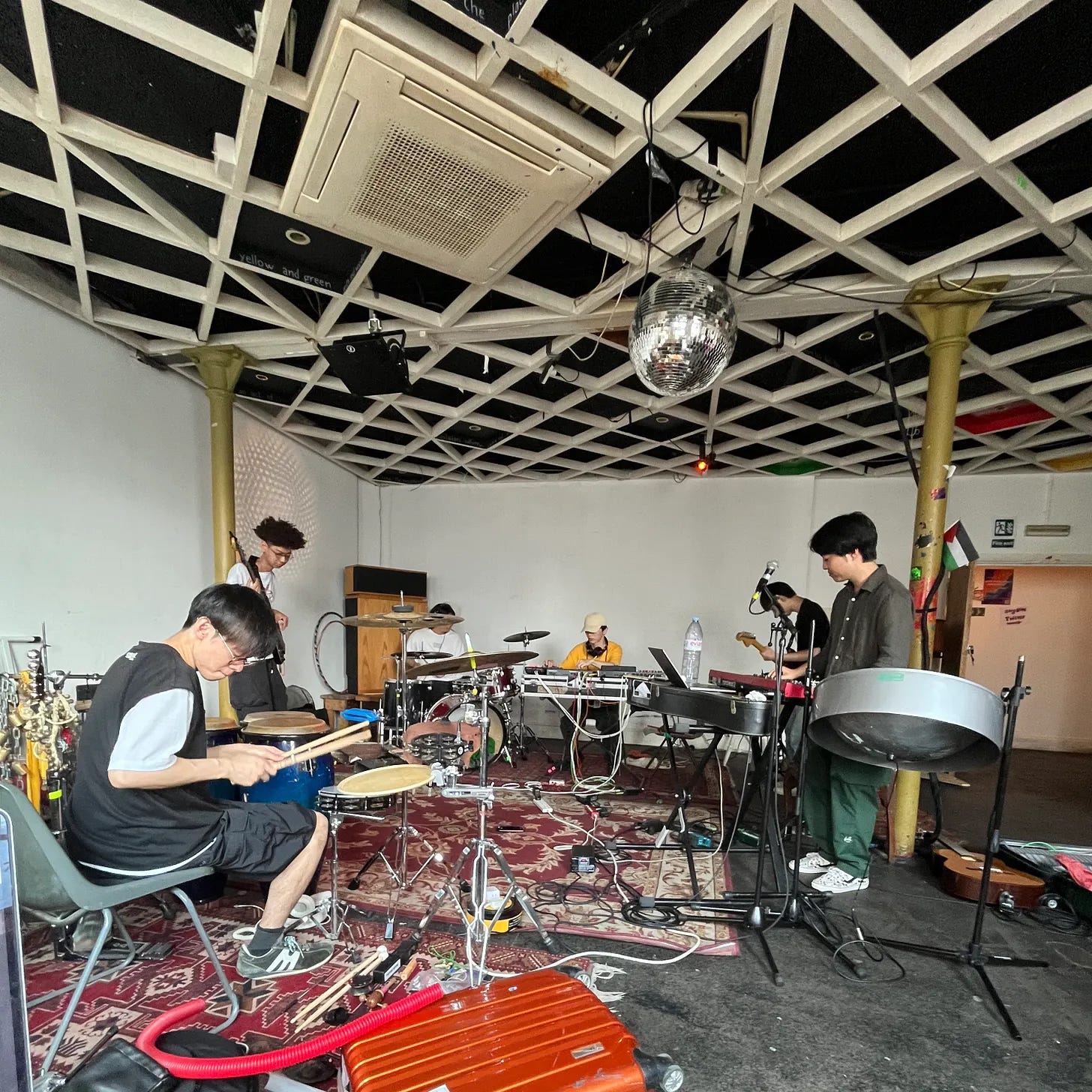
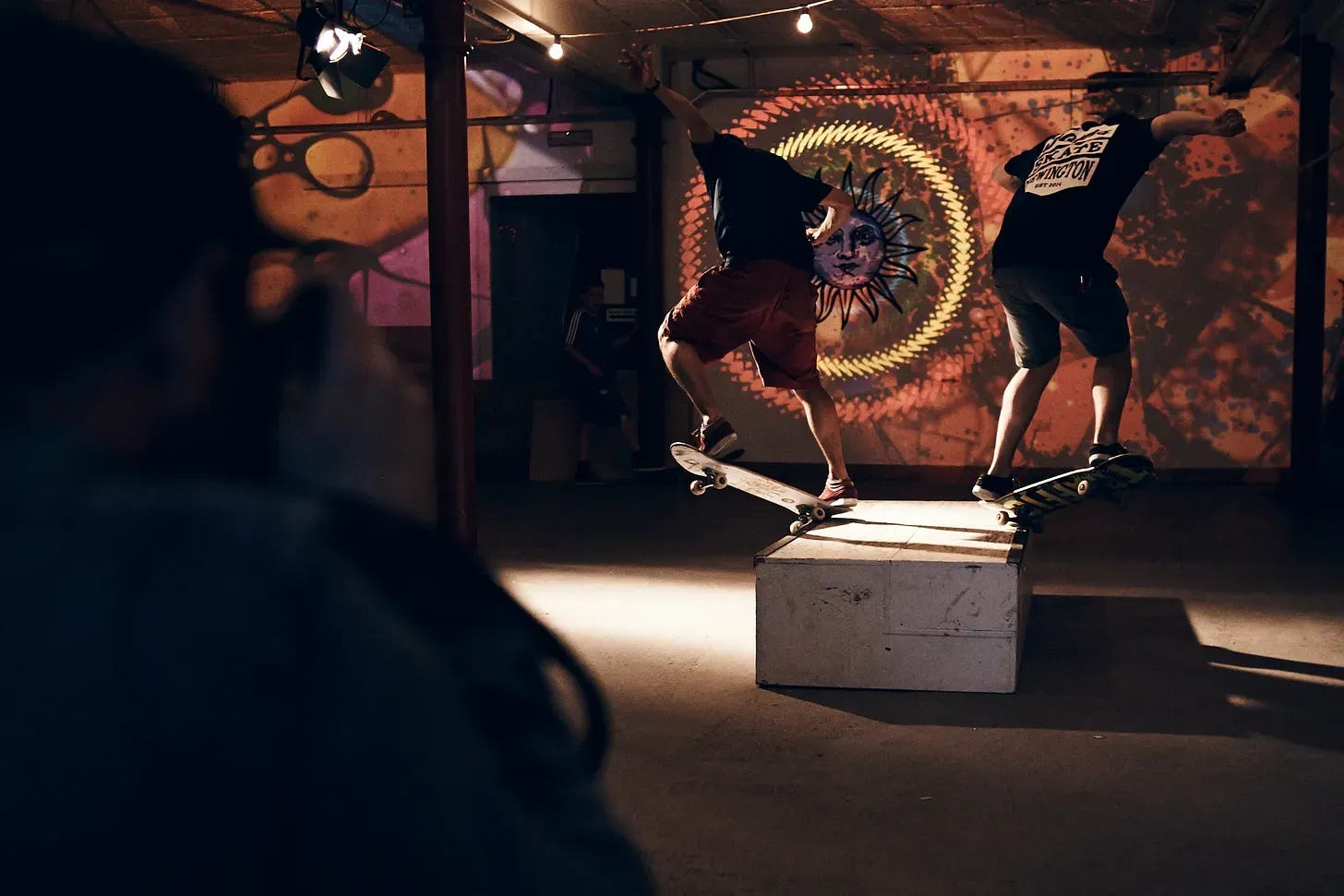
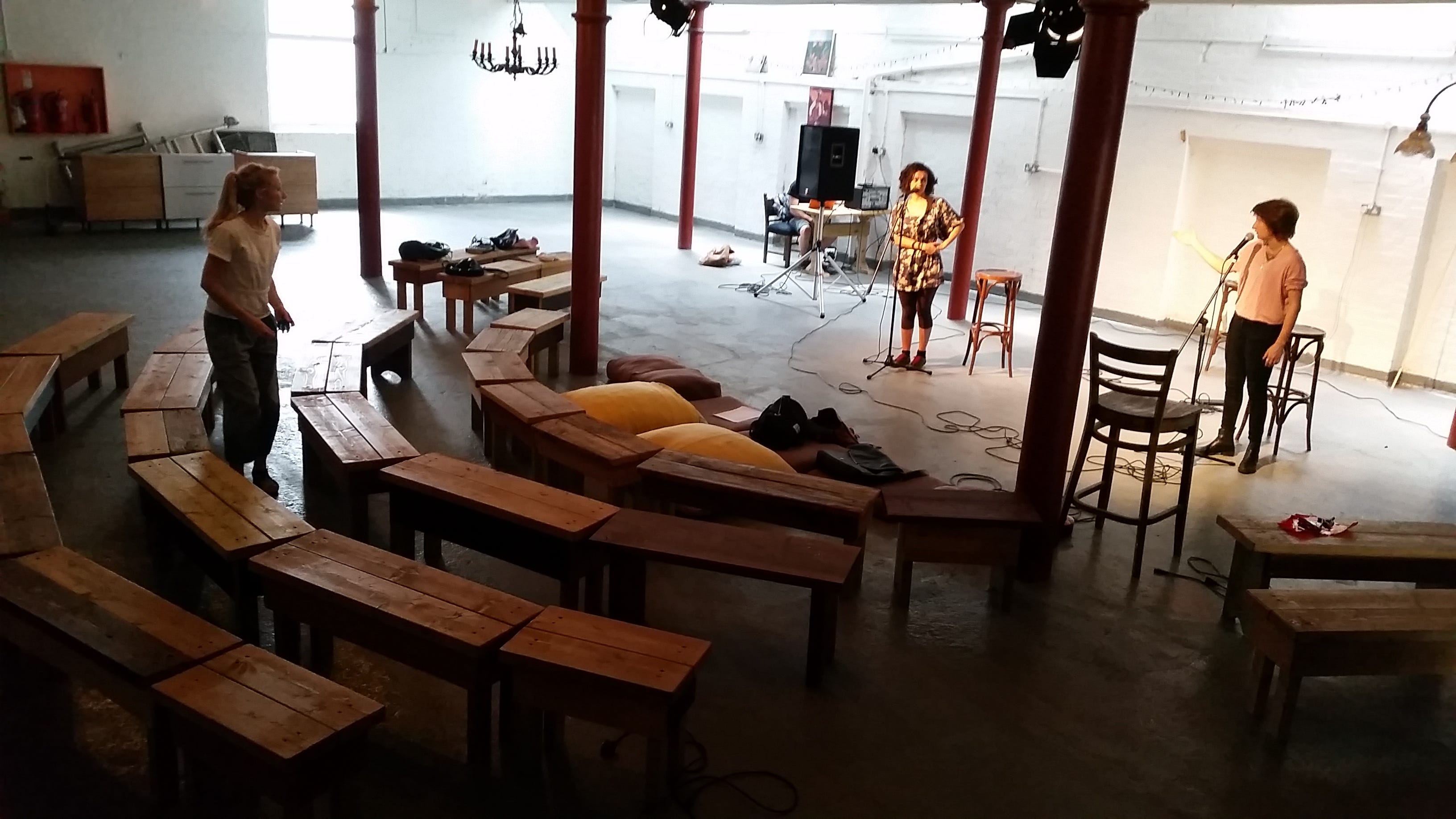
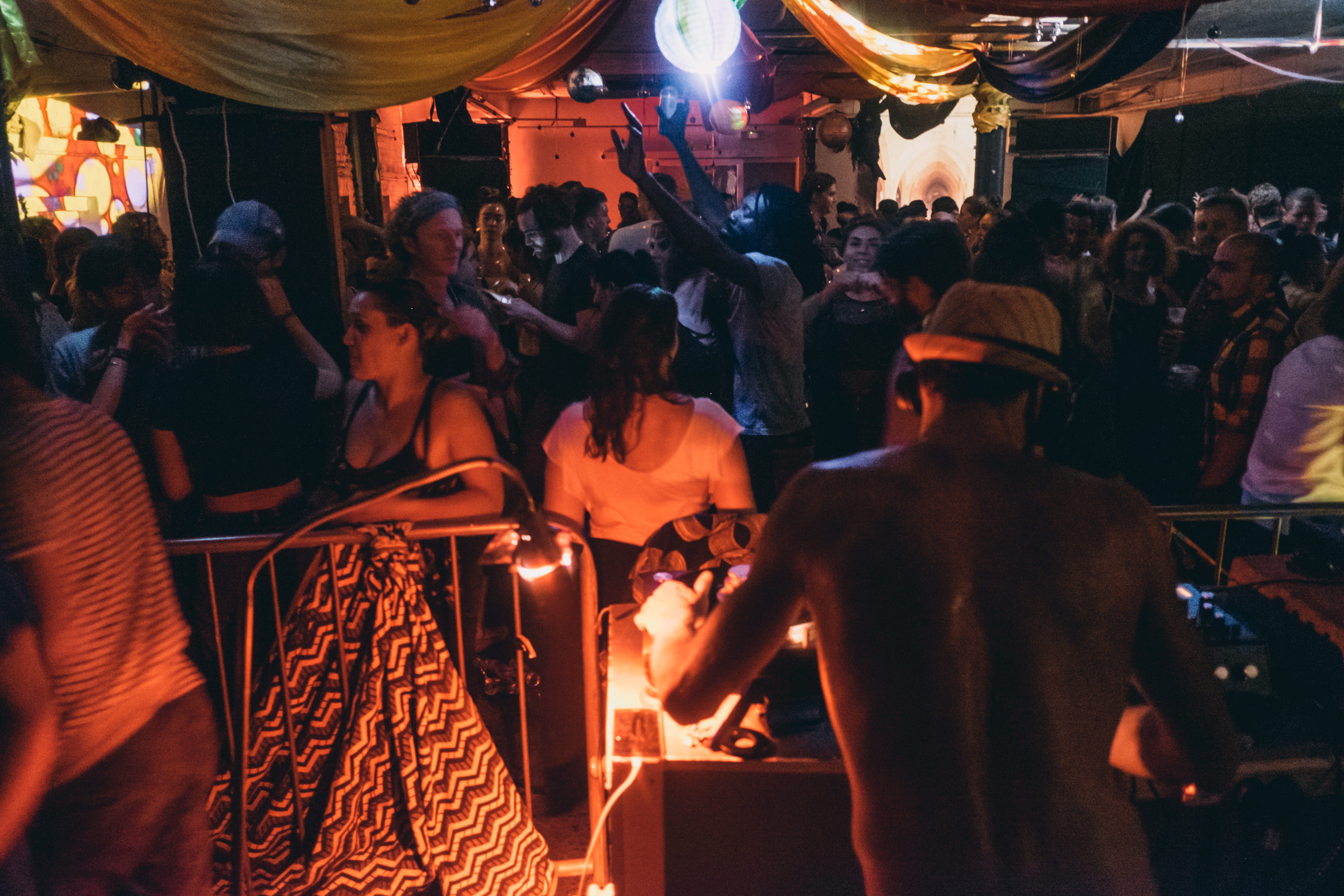
I sometimes describe the main room as a Swiss Army knife. You can do almost anything your imagination takes you towards.
Because we operated through temporary event notices, we were never open every night. That gave us freedom. We could choose the events we cared about rather than filling a calendar.
At many conventional venues, you receive a PDF explaining every rule before you have done anything.
Here, the approach was: come and talk to us. Tell us the idea.
I might know somebody who can help. There are people and resources inside the building and across the wider network.
People felt able to contribute. That helped them feel comfortable and at home.

Brainchild and a New London Jazz Community
Euan: TRC became closely associated with the London jazz music that emerged during the following decade. Many of those musicians were based in South London. What brought them north?
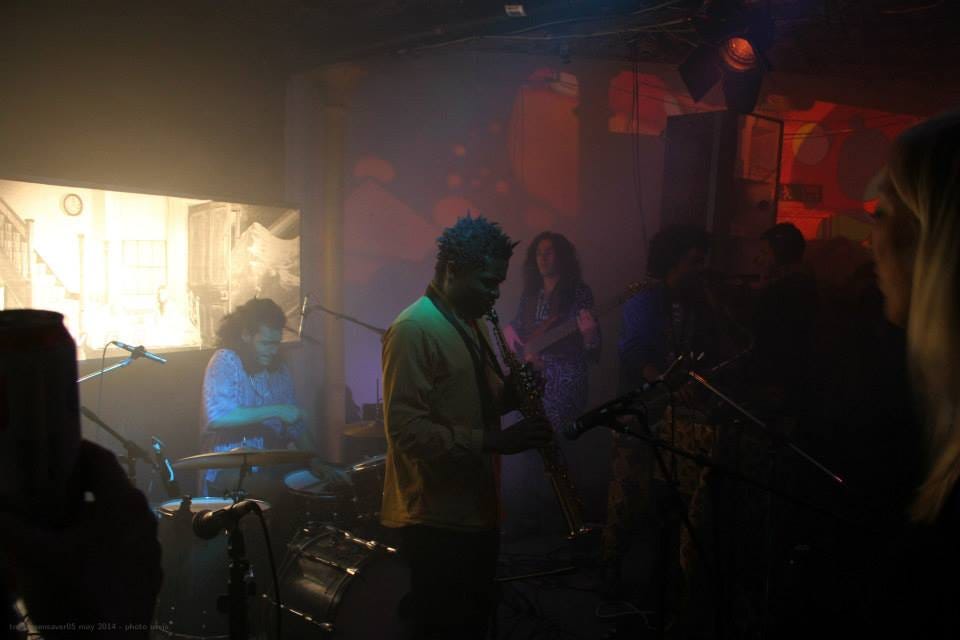
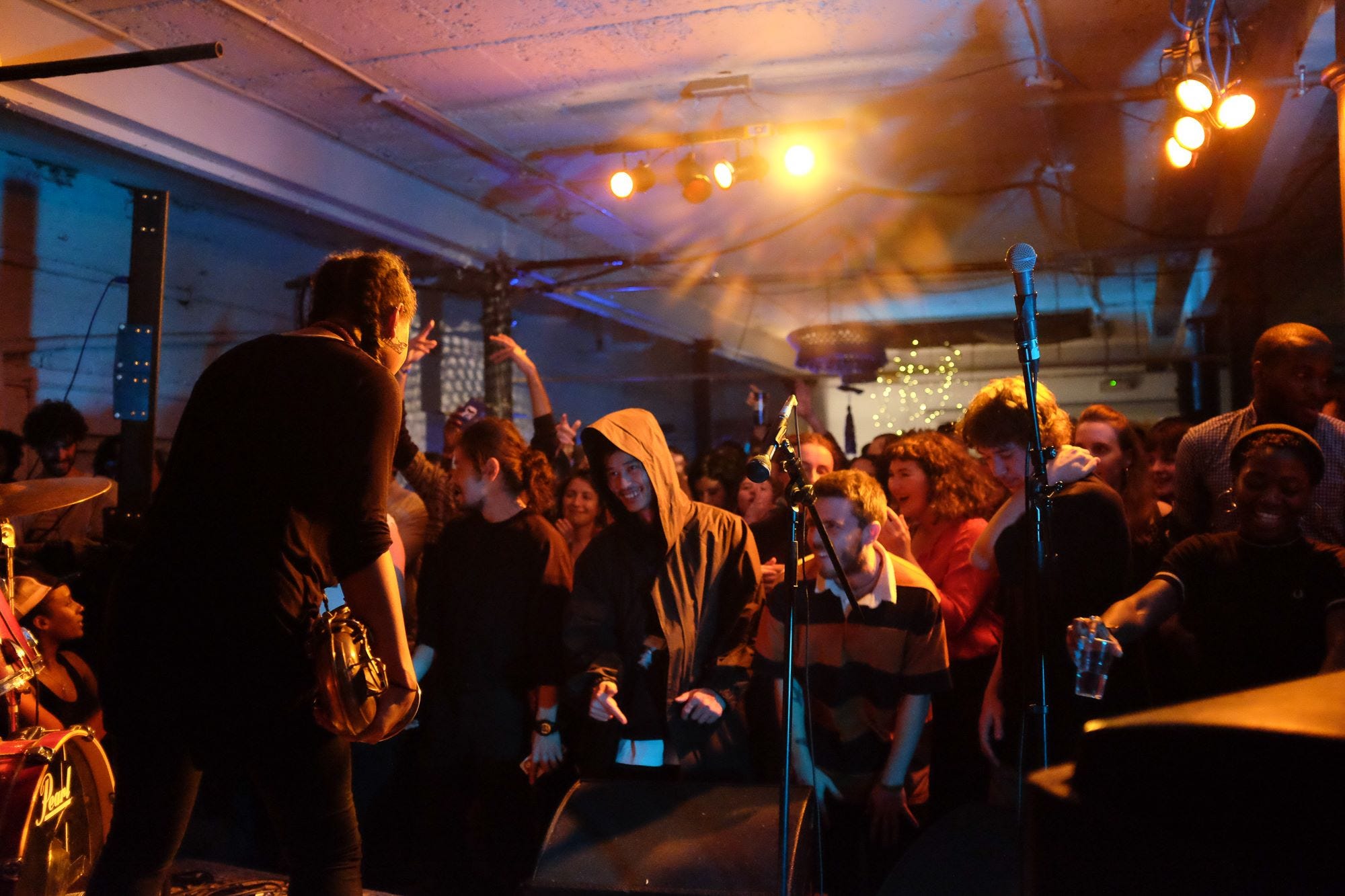
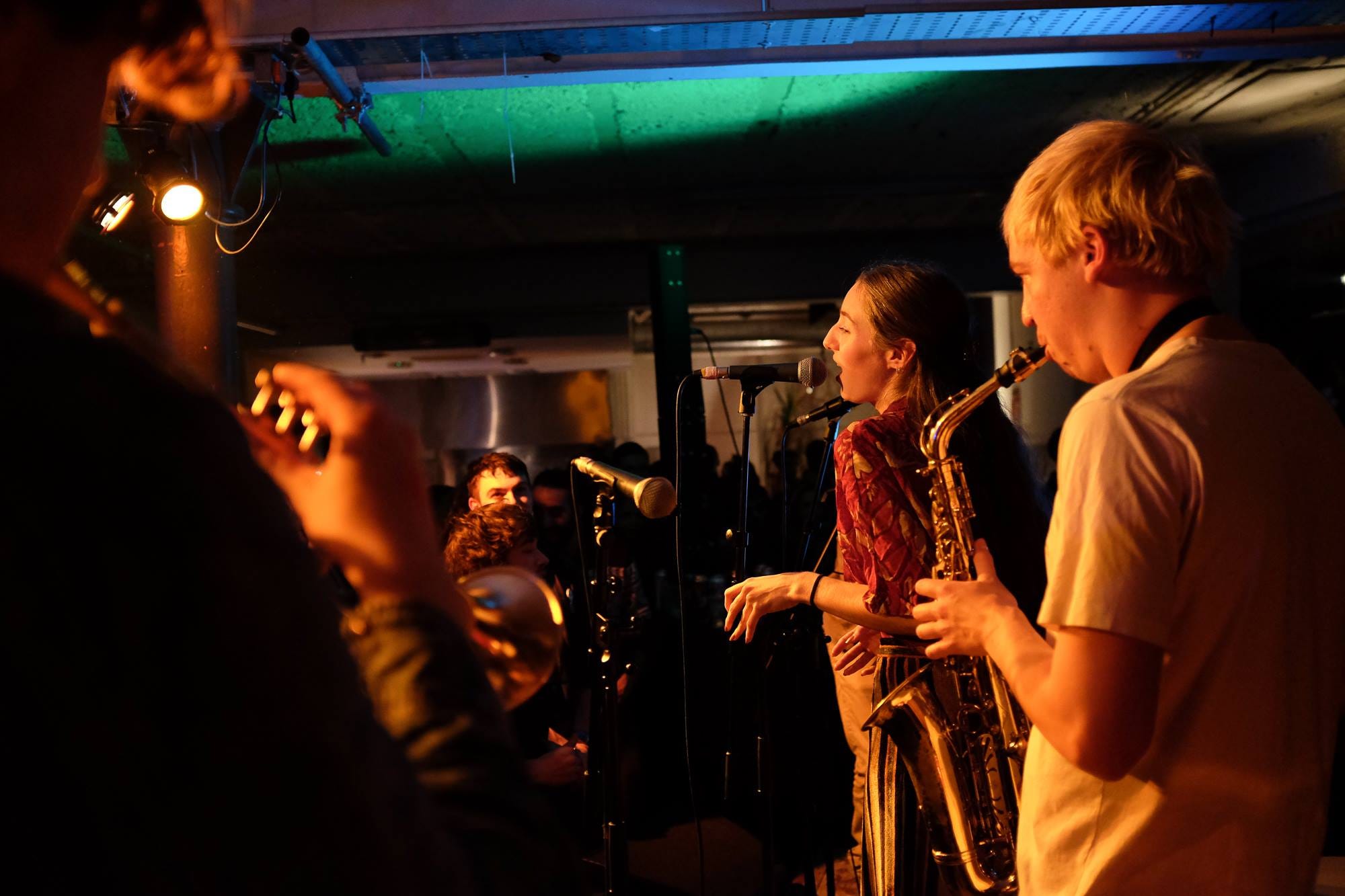
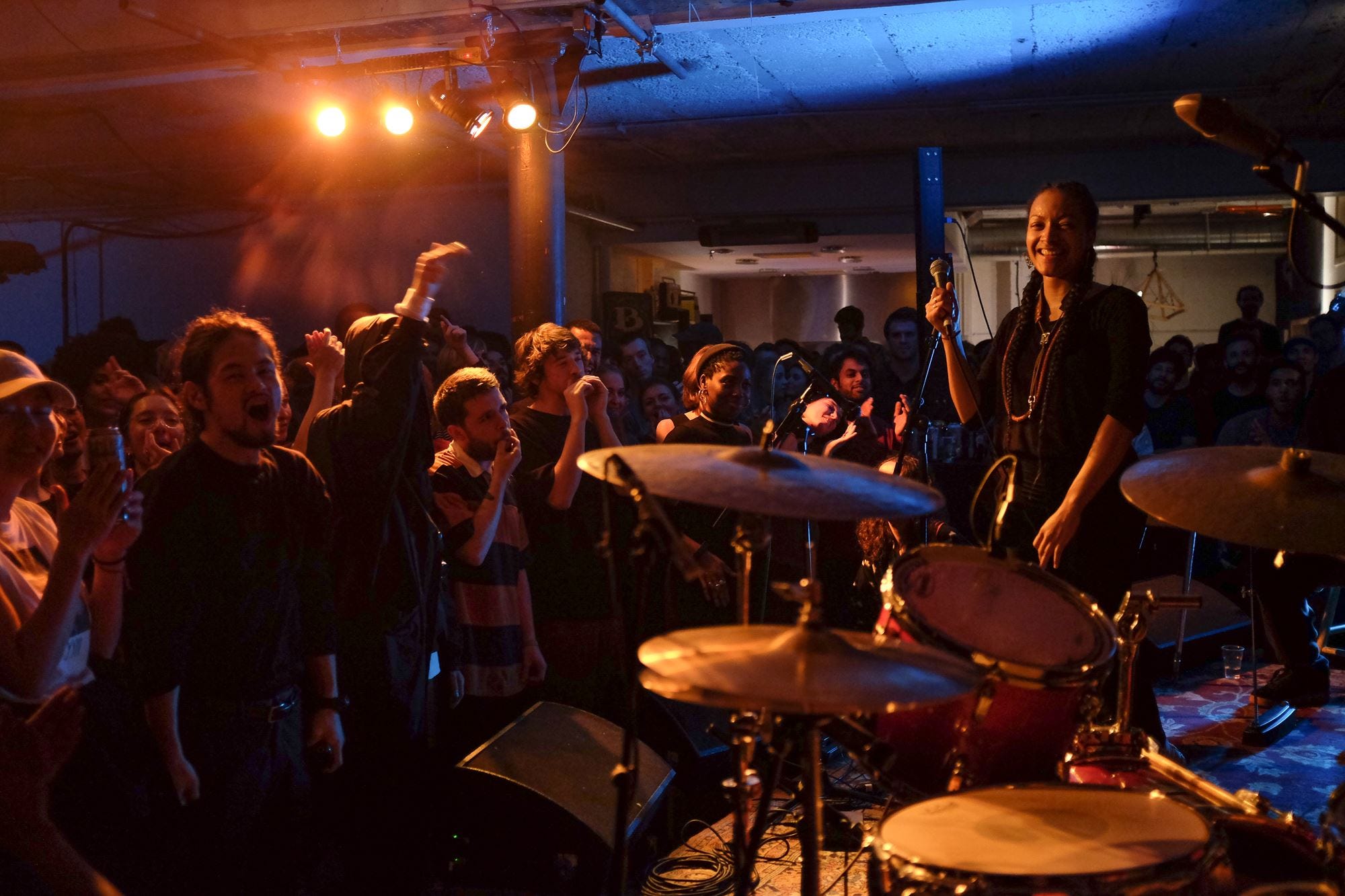
Lex: One important moment was the launch of Brainchild Festival here, probably in 2014.
I had already met Theon Cross through an orchestra called Mimika, which played here during the early days. He was very young.
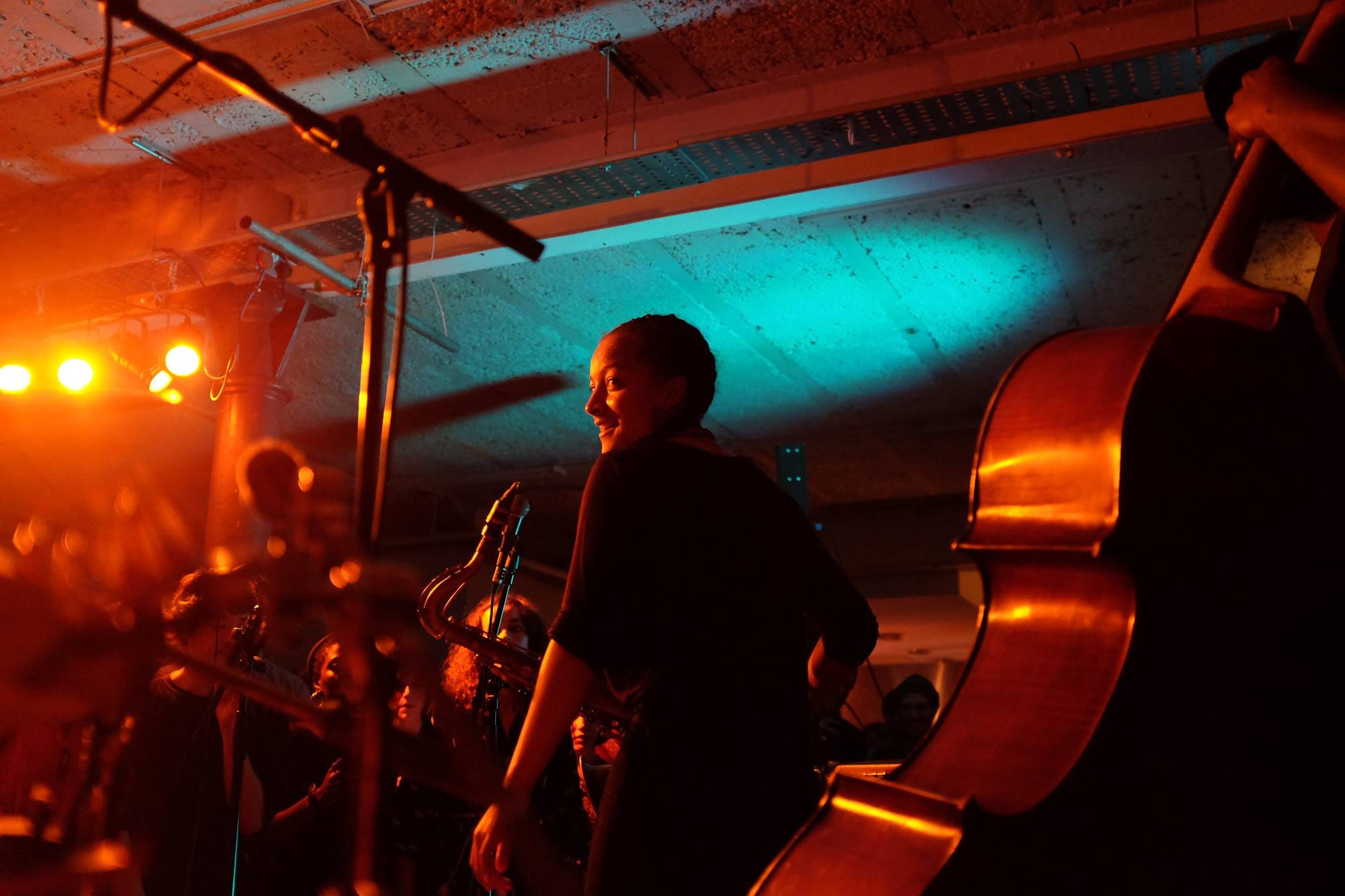
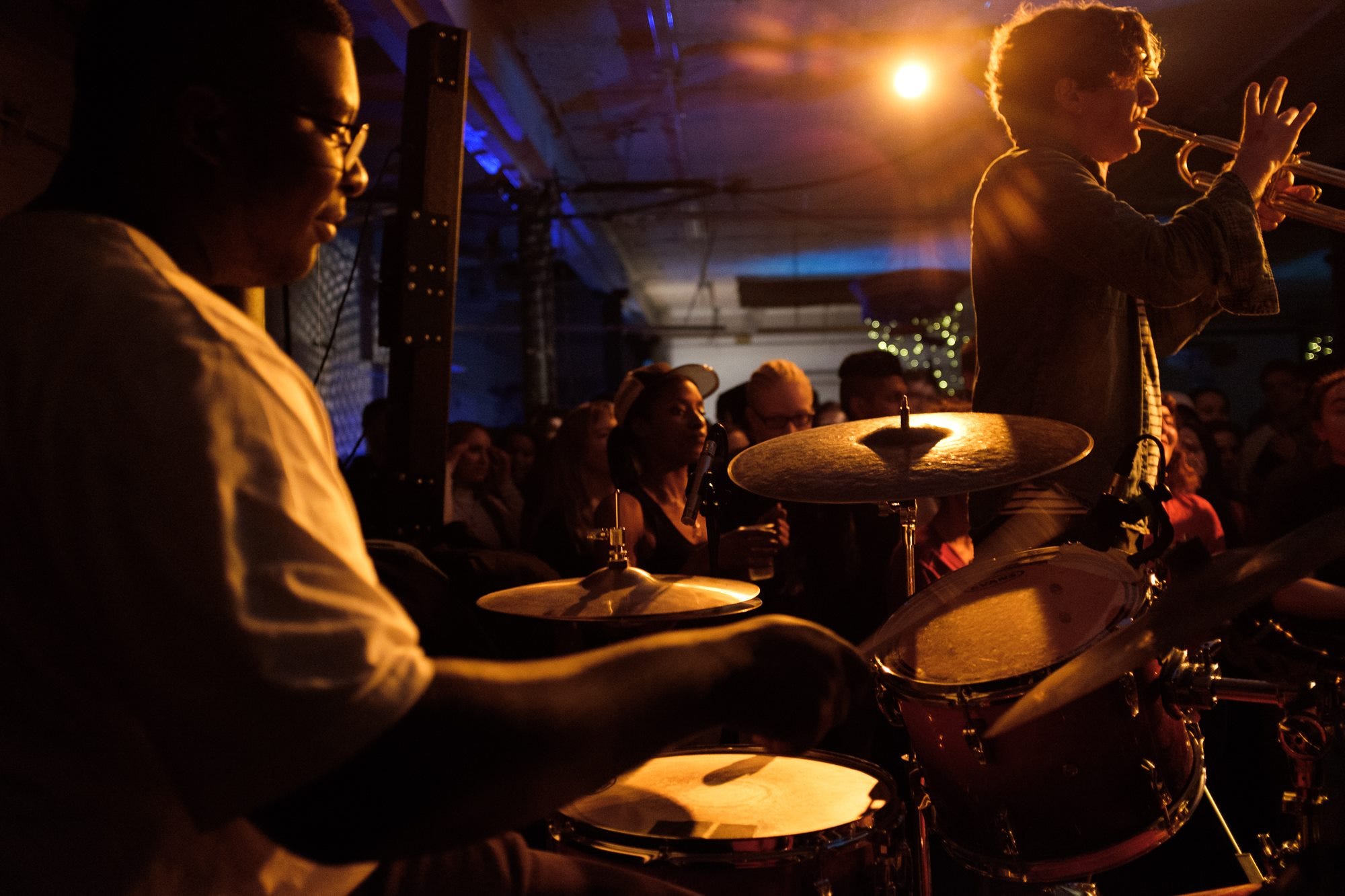
At the Brainchild launch, I saw Theon, Joe Armon-Jones, Nubya Garcia , Daniel Casimir, Oscar Jerome and the rest of that crew. I had loved jazz since living in Paris, and I immediately felt the energy they were bringing.
I kept inviting them back. Nubya Garcia was playing saxophone on almost any line-up I could put her into.
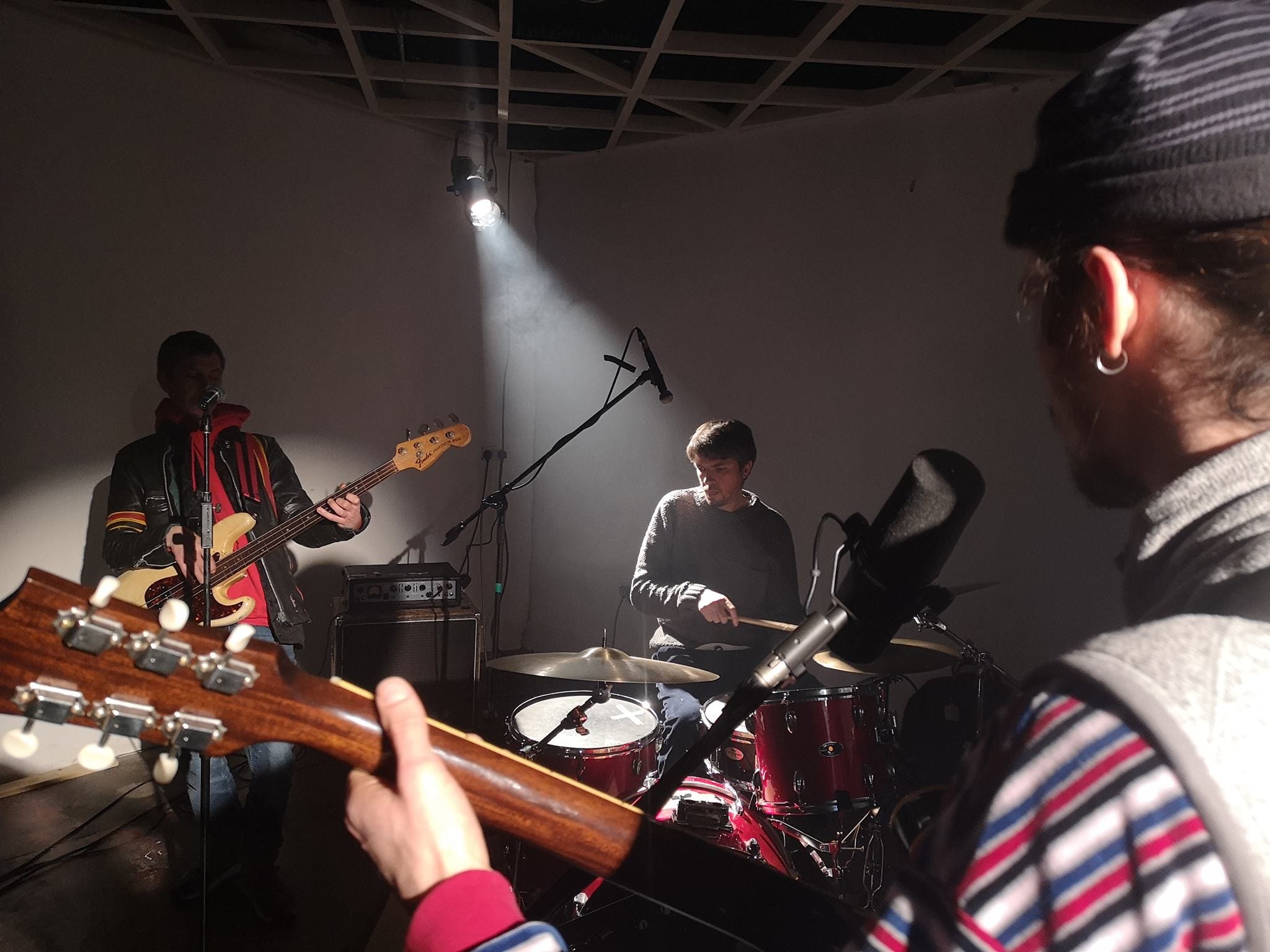
The flexibility of the building appealed to them. They could rehearse before a show, use the equipment and try ideas without the cost or pressure of a conventional studio.
We had also built an audience in Hackney and North London. At that point, much of their existing audience was in South London, so playing here widened their reach.
People such as Gilles Peterson regularly came to the shows. Musicians were seen by people who later signed them to labels or booked them for festivals.
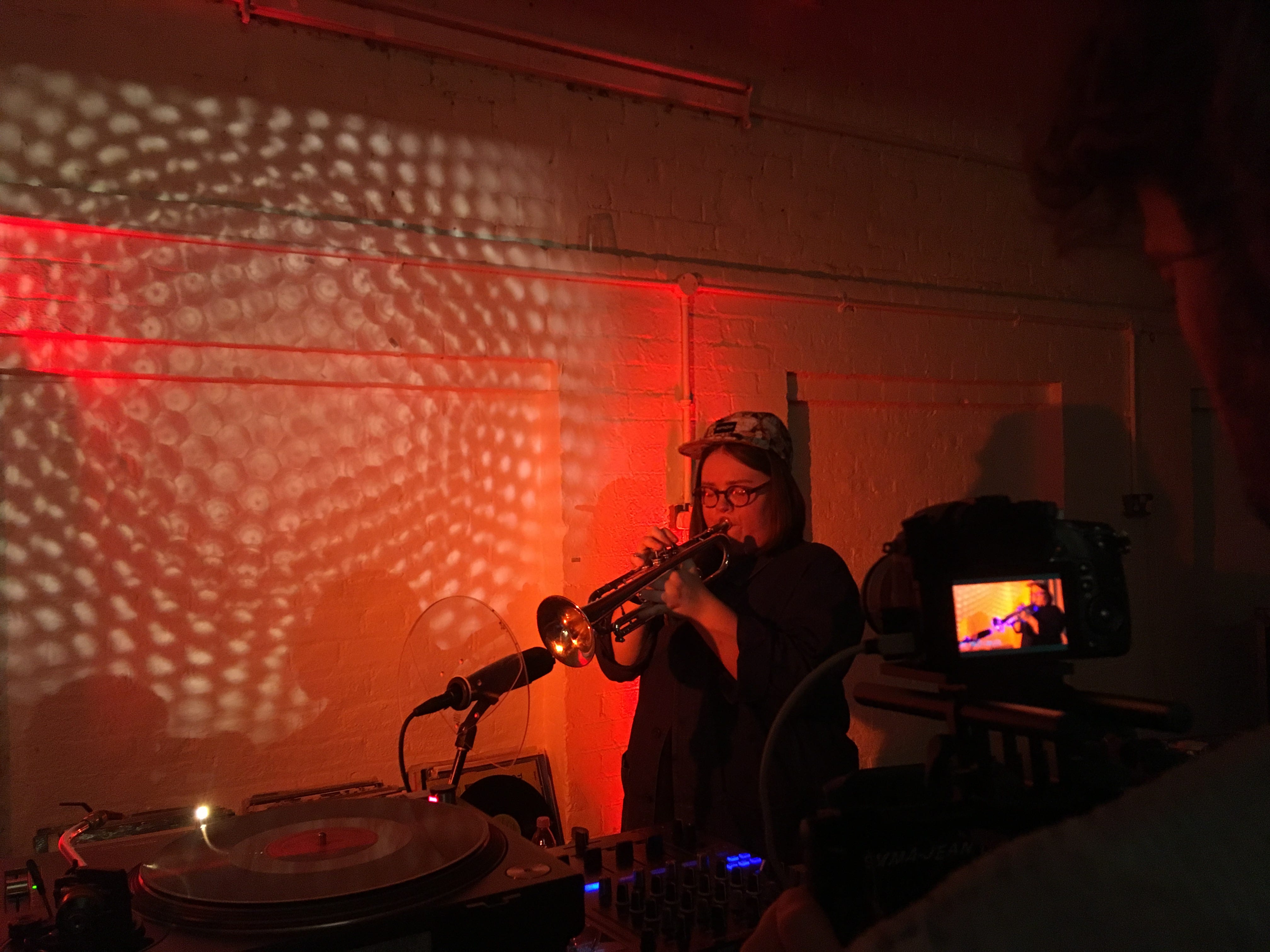
There were facilities here too. People could film the performances, photograph them and record them.
It gave the artists a lift.
Euan: Was Brainchild also important for you personally?
Lex: Completely.
For a period, we operated the downstairs space as a 500-capacity venue. I was young and had very little experience. After a year, I was exhausted. I think I lost ten kilos from the stress.
By December, I had decided to stop.
Marina from Brainchild asked me to remain open for one more month so they could hold the launch. The event sounded special, so I agreed.
It brought the energy back.
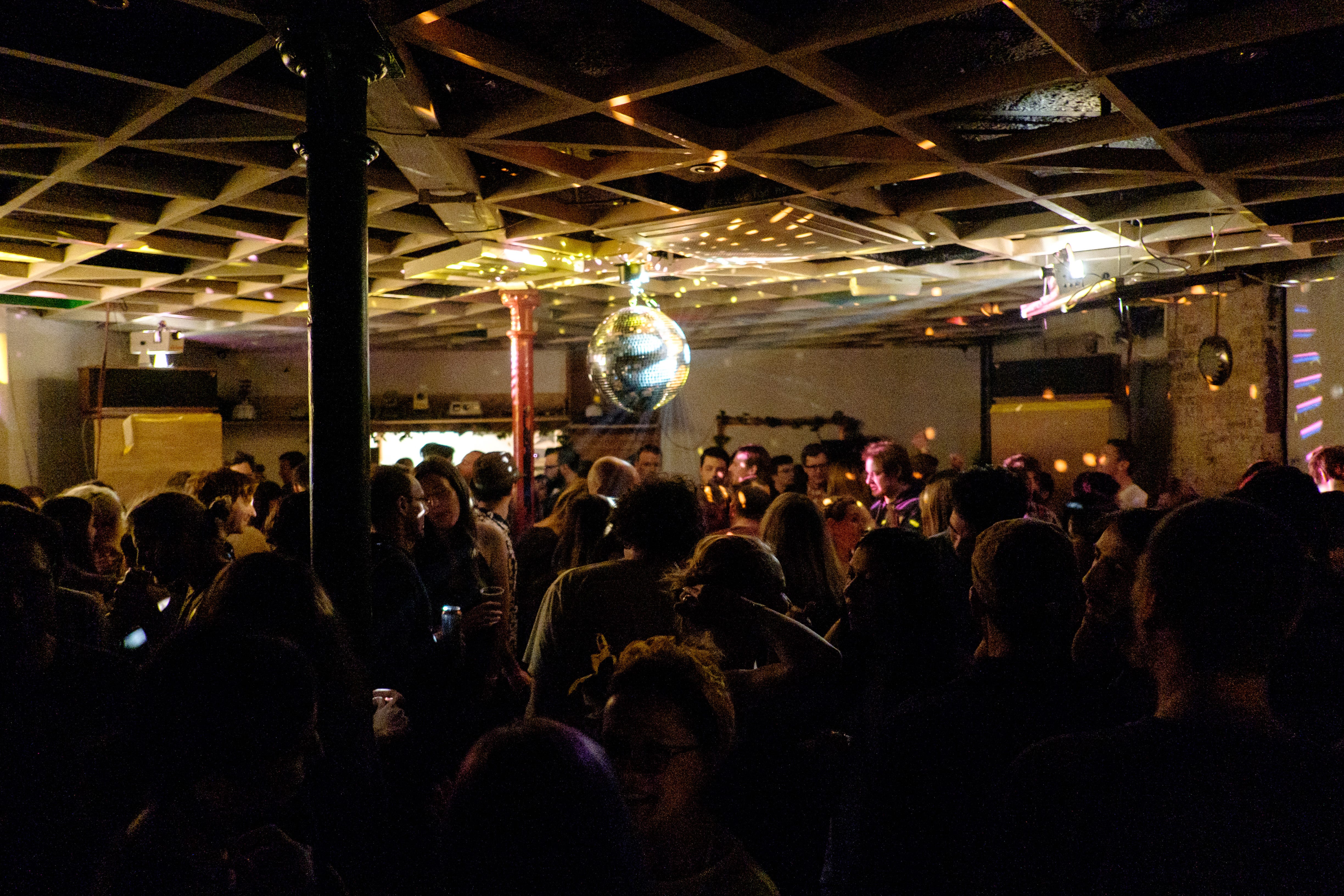
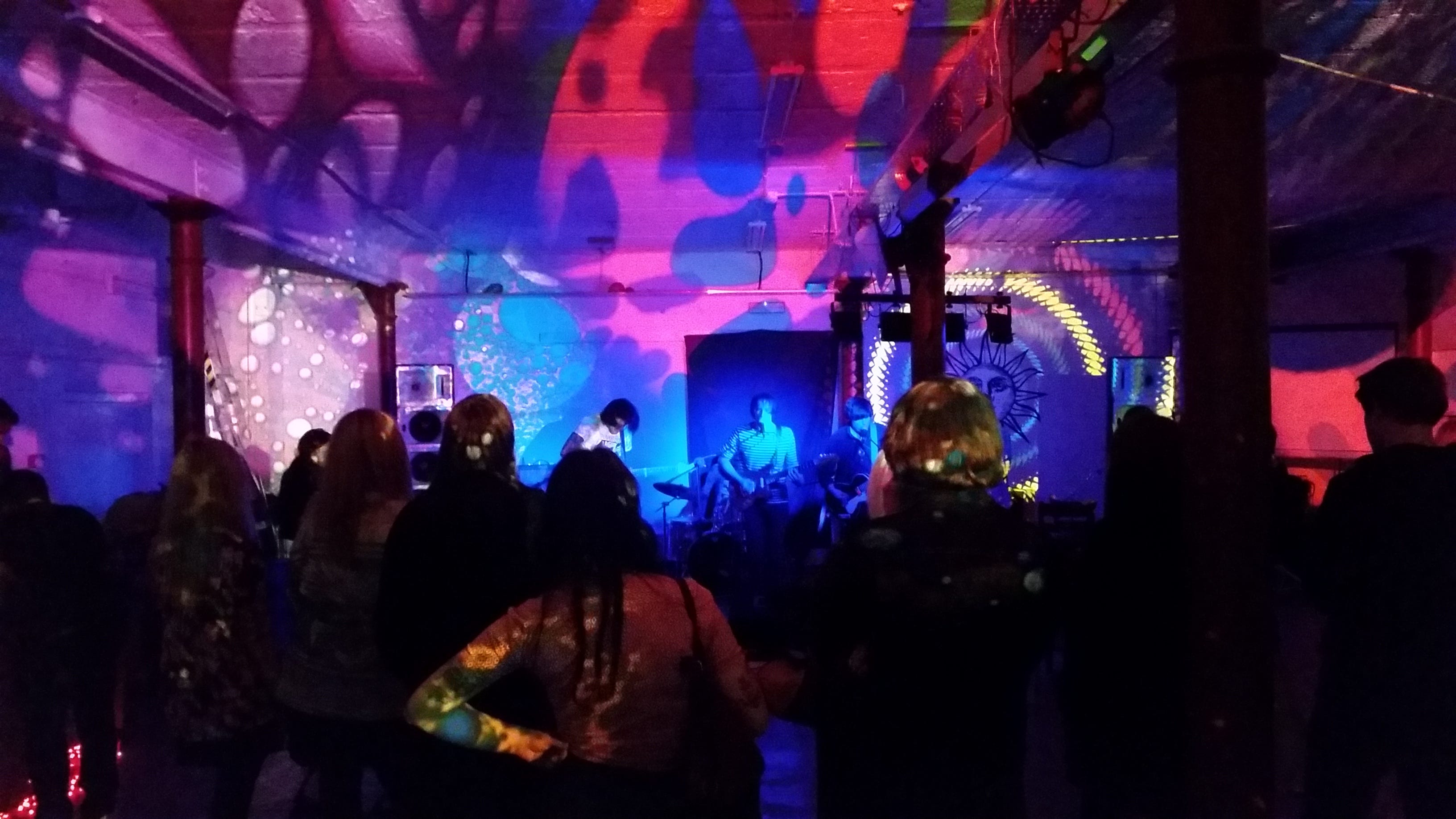
Afterwards, we returned to the smaller upstairs room. It held around 150 people and was full for almost every gig.
Seed Ensemble, SumoChief, Maisha. Those evenings felt like a particular moment in time.
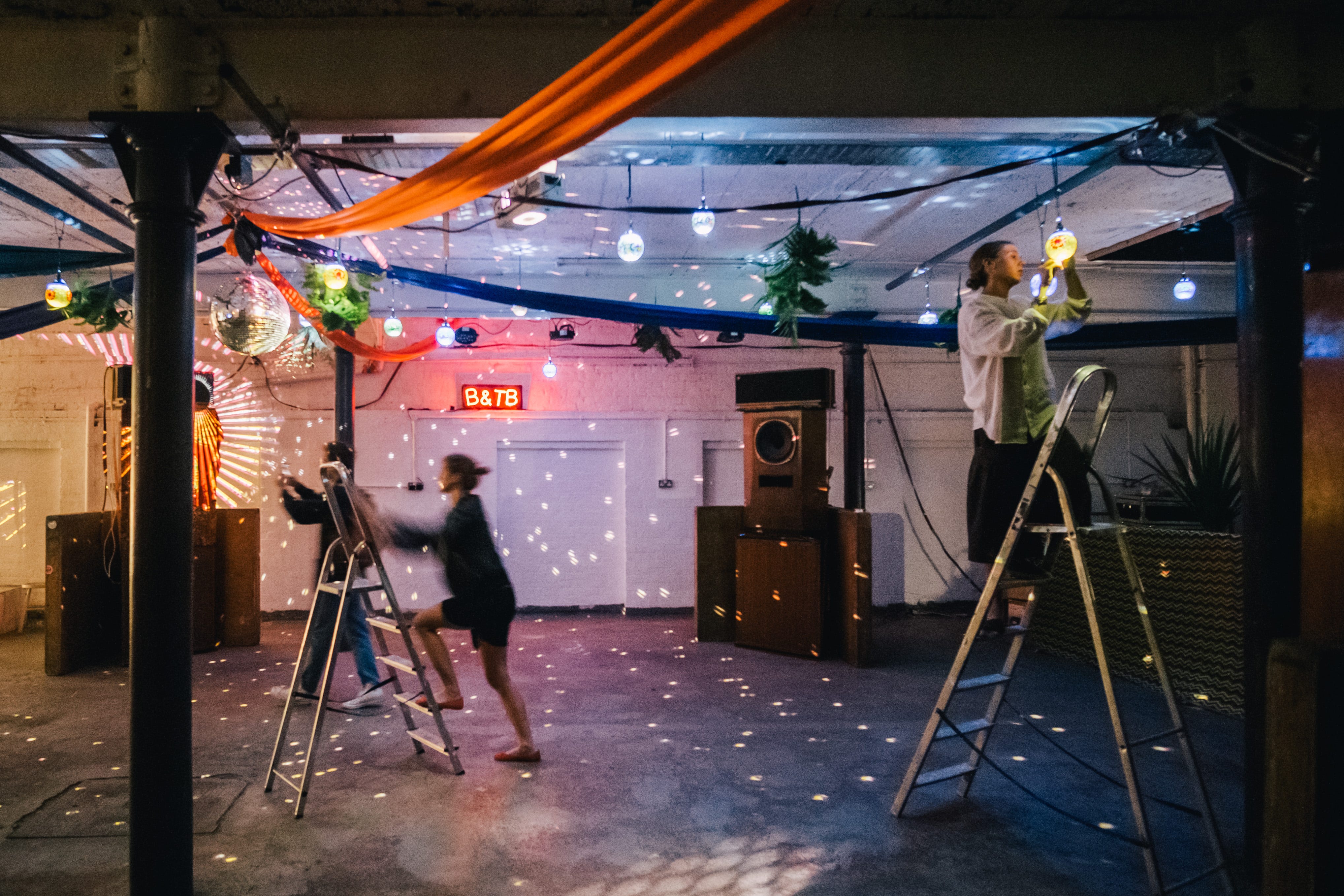
The sound system was still slightly ropey, although I always worked hard on the lights and atmosphere. Everything somehow felt right.
TRC was never built from a single grand plan.
It grew through rooms, equipment, meals, introductions and the willingness to say yes before every detail had been solved.
In Part Two, Lex discusses TRC’s relationship with Chicago and South Africa, the creation of Church of Sound, the fight to protect the building and what he wants to preserve before the next chapter begins.
Explore
TRC : https://www.instagram.com/totalrefreshmentcentre/
Lex Blondin : https://www.instagram.com/lex_blondin/
Church of Sound : https://www.instagram.com/church_of_sound/
💡 Paid subscribers perk:
September’s 15% discount code for our bandcamp page is here below 👇
