
Underflow Record Store & Art Gallery, Athens : A Fixed Room in Unstable Time (Part I)
How two friends built a listening space that outlasted its moment.

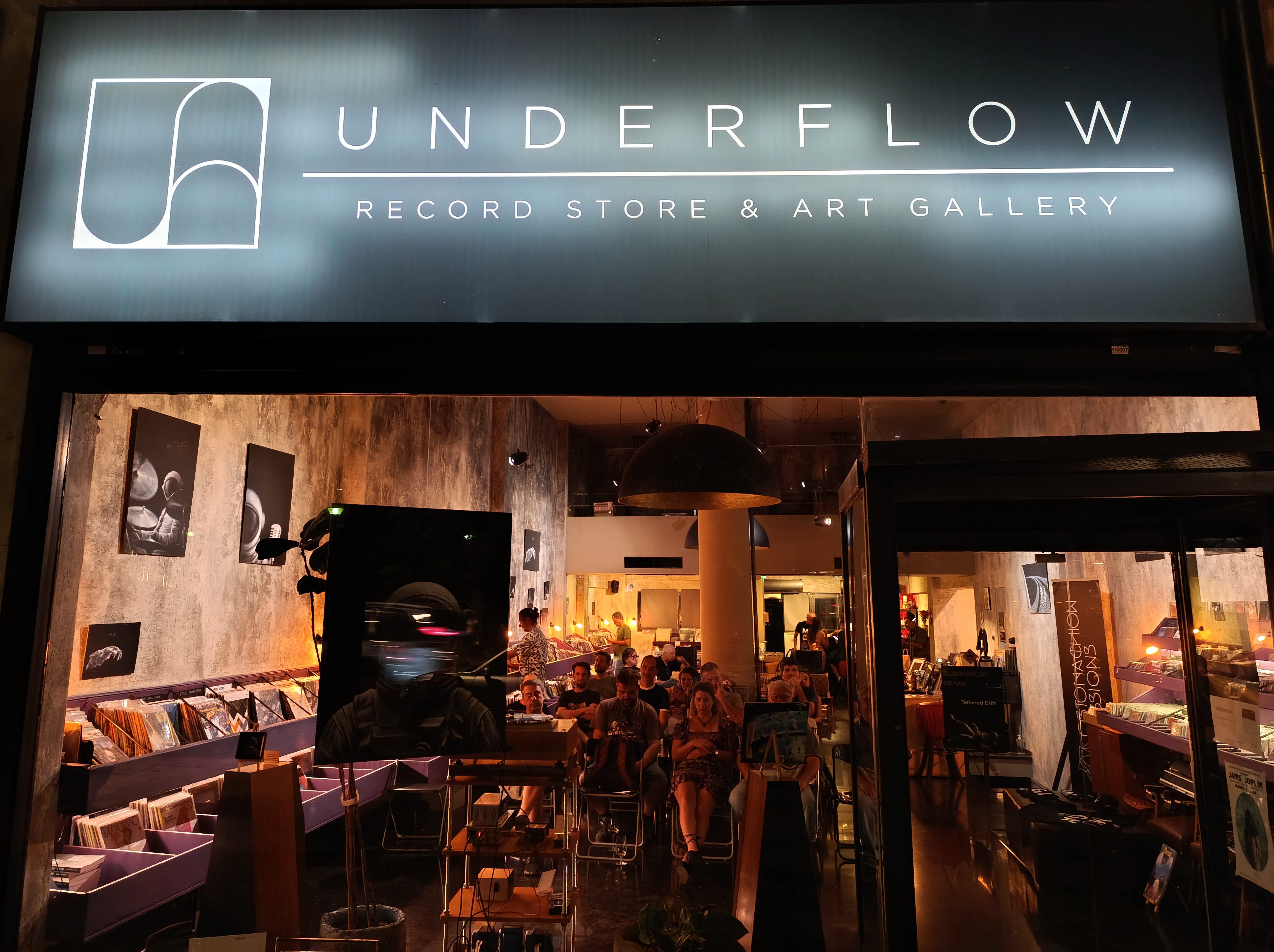
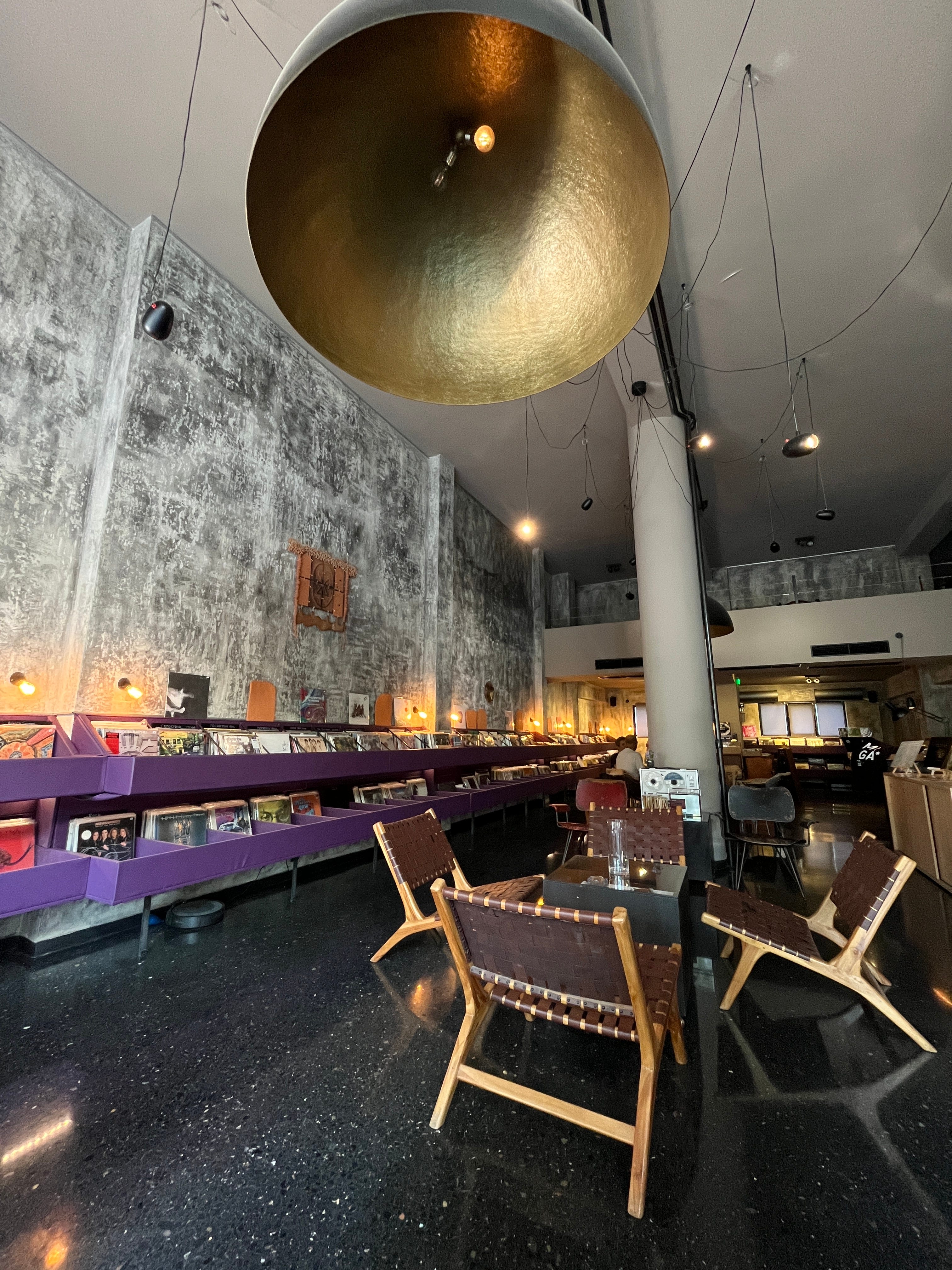
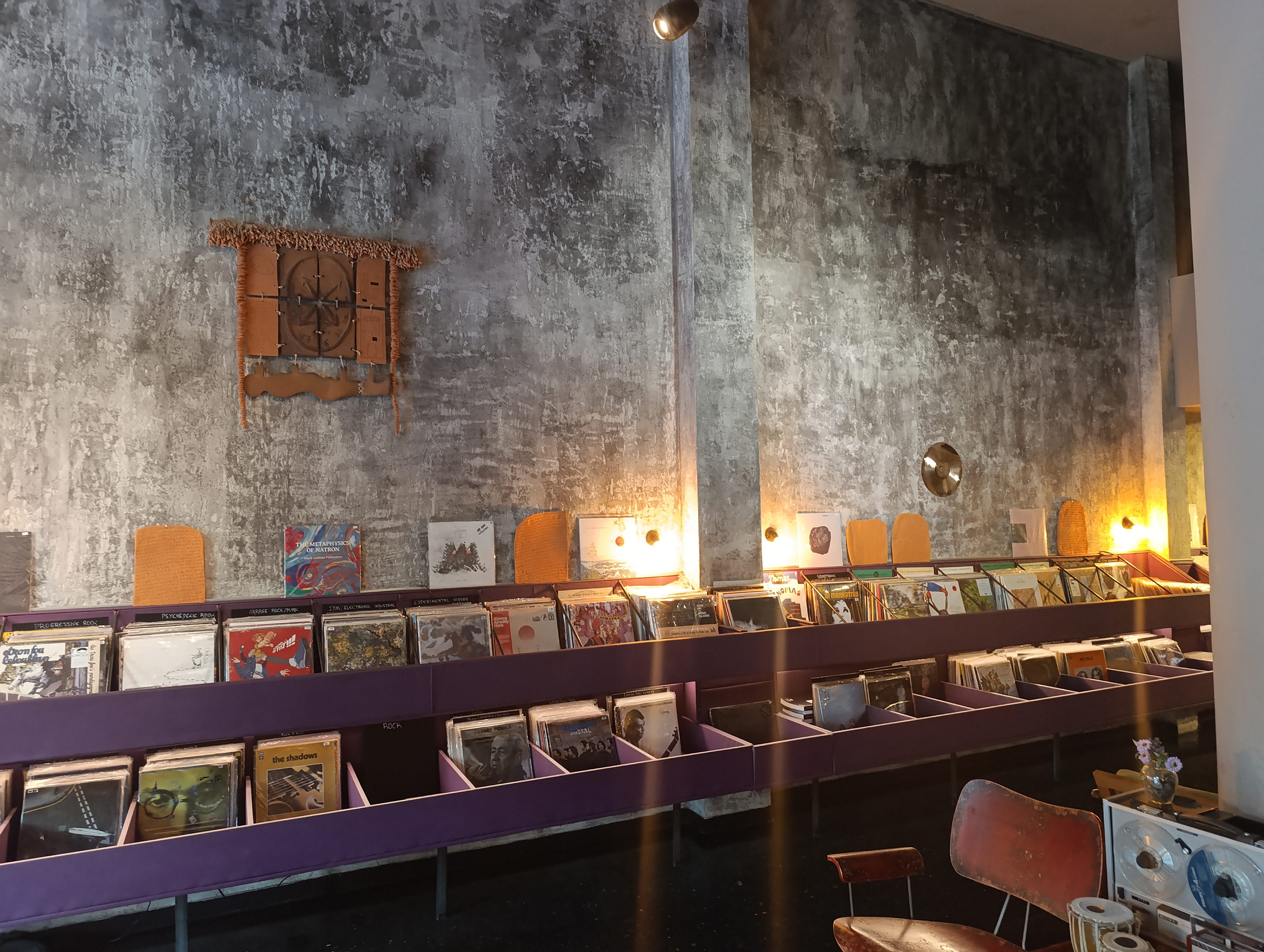
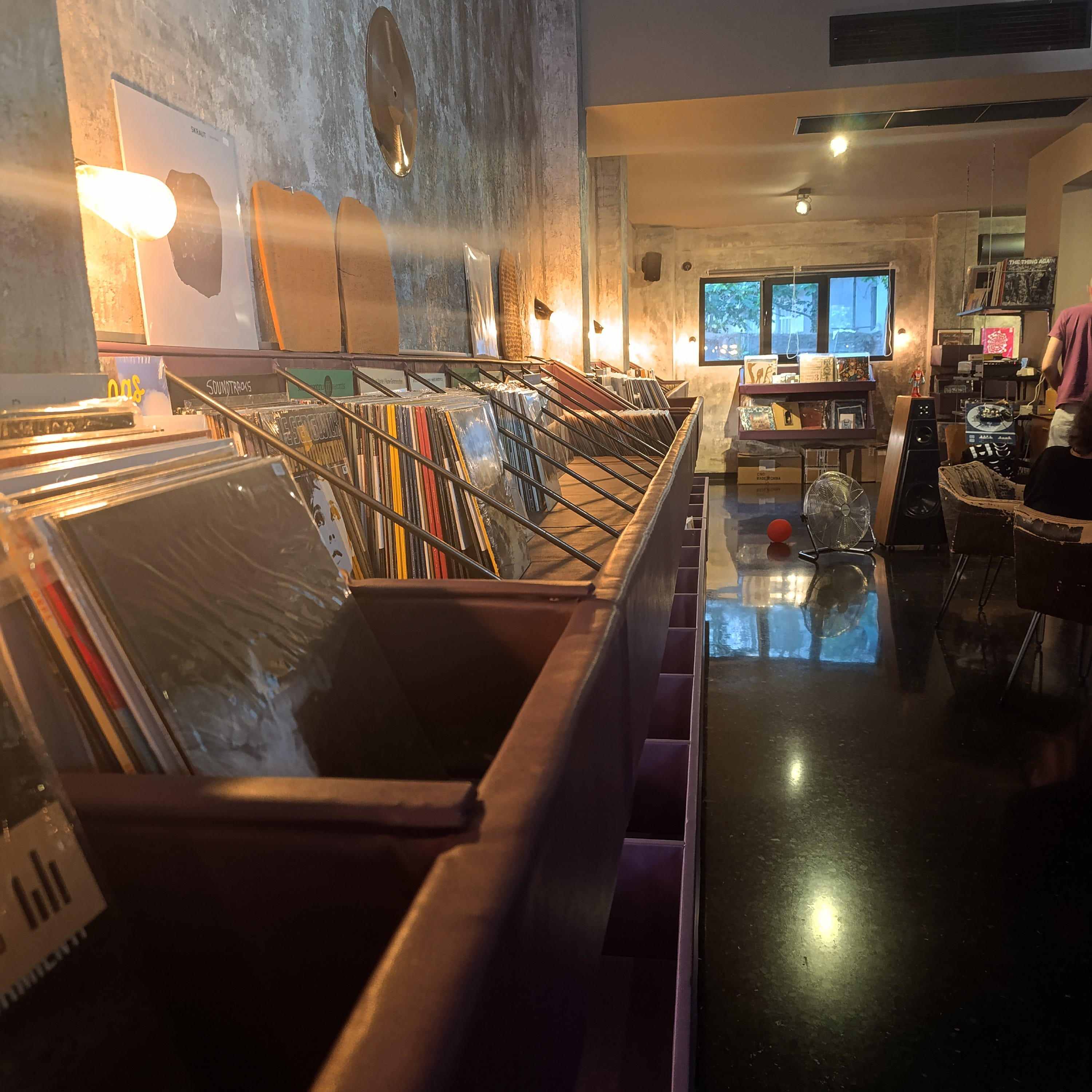
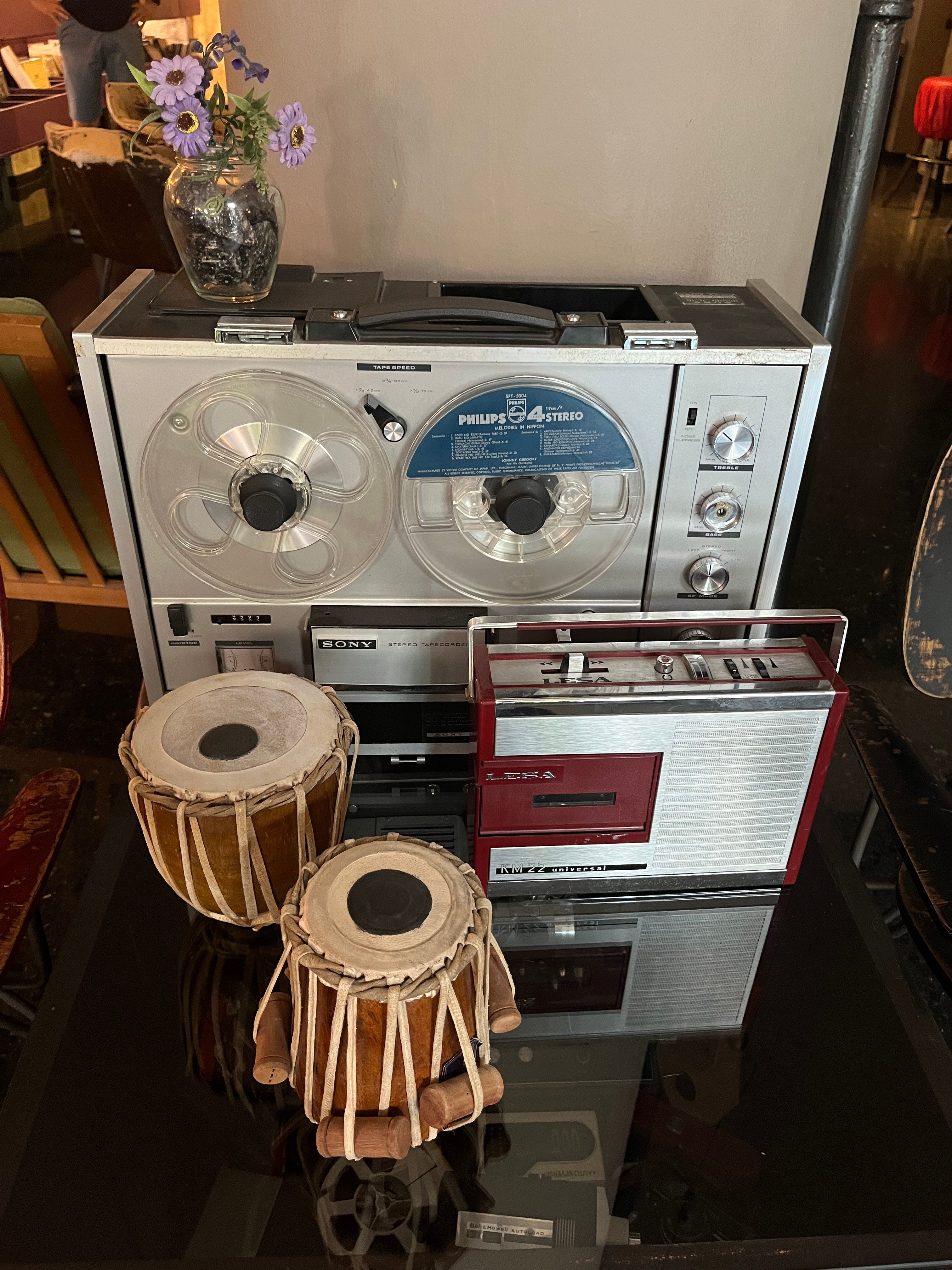
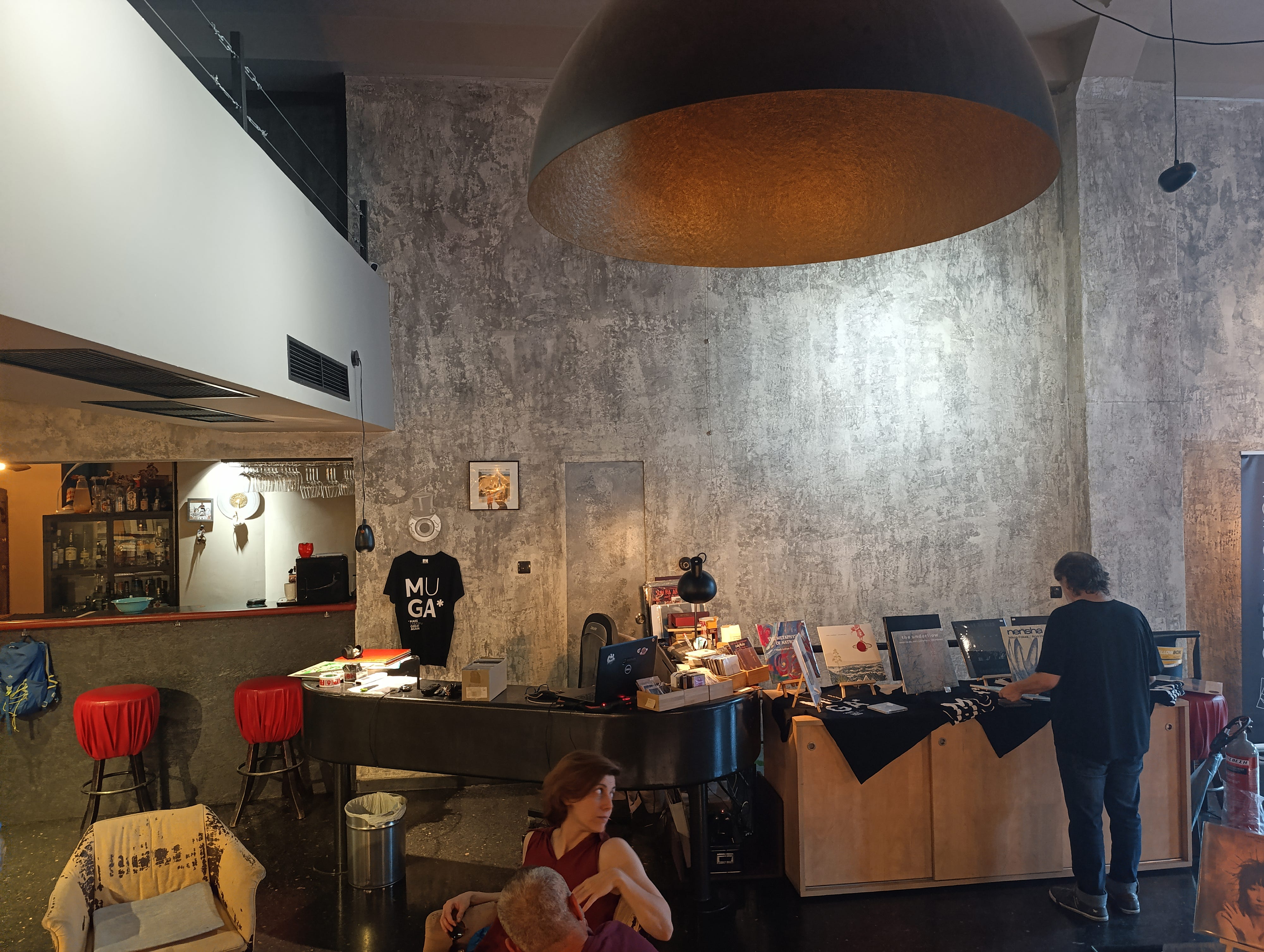
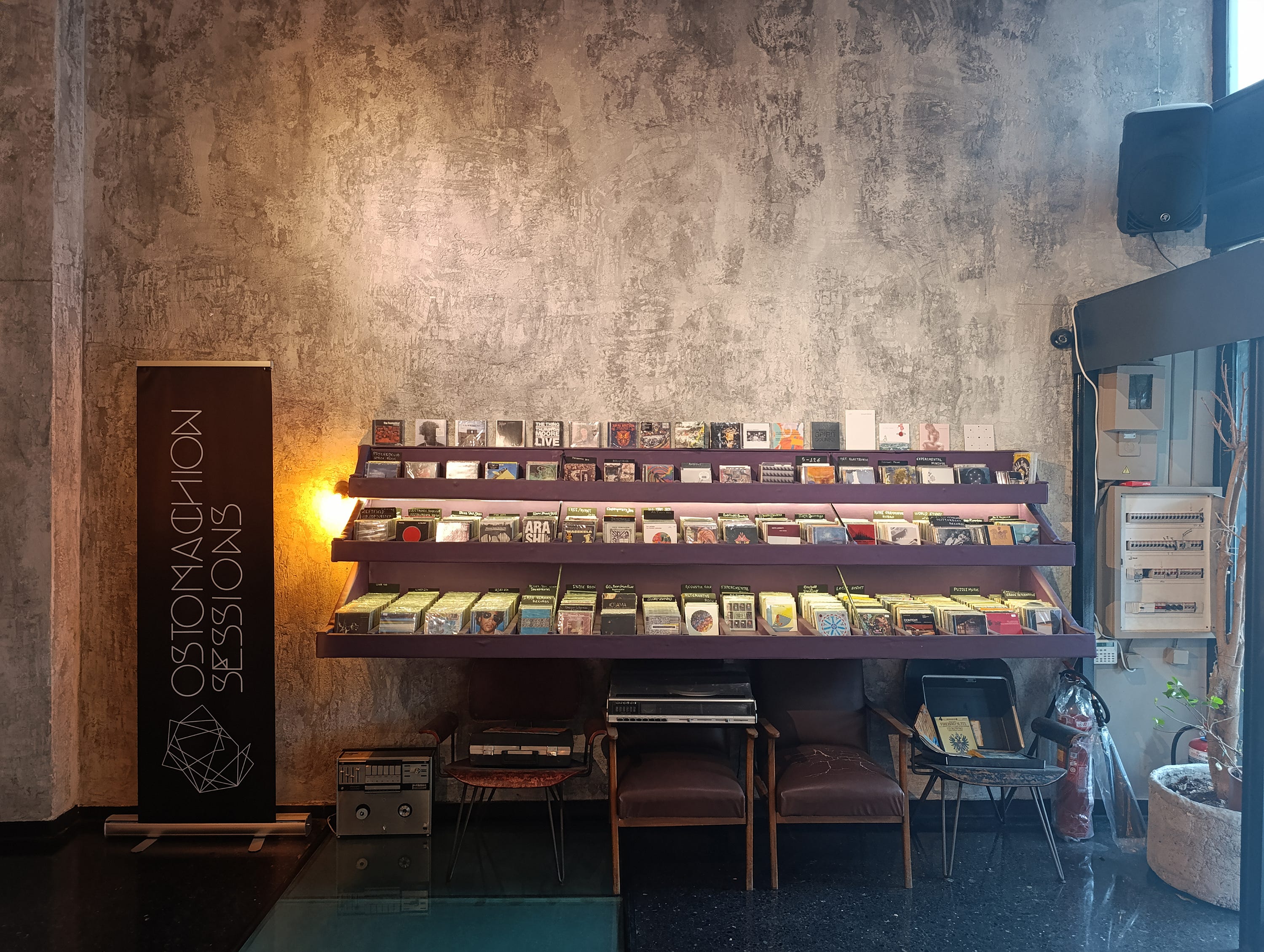
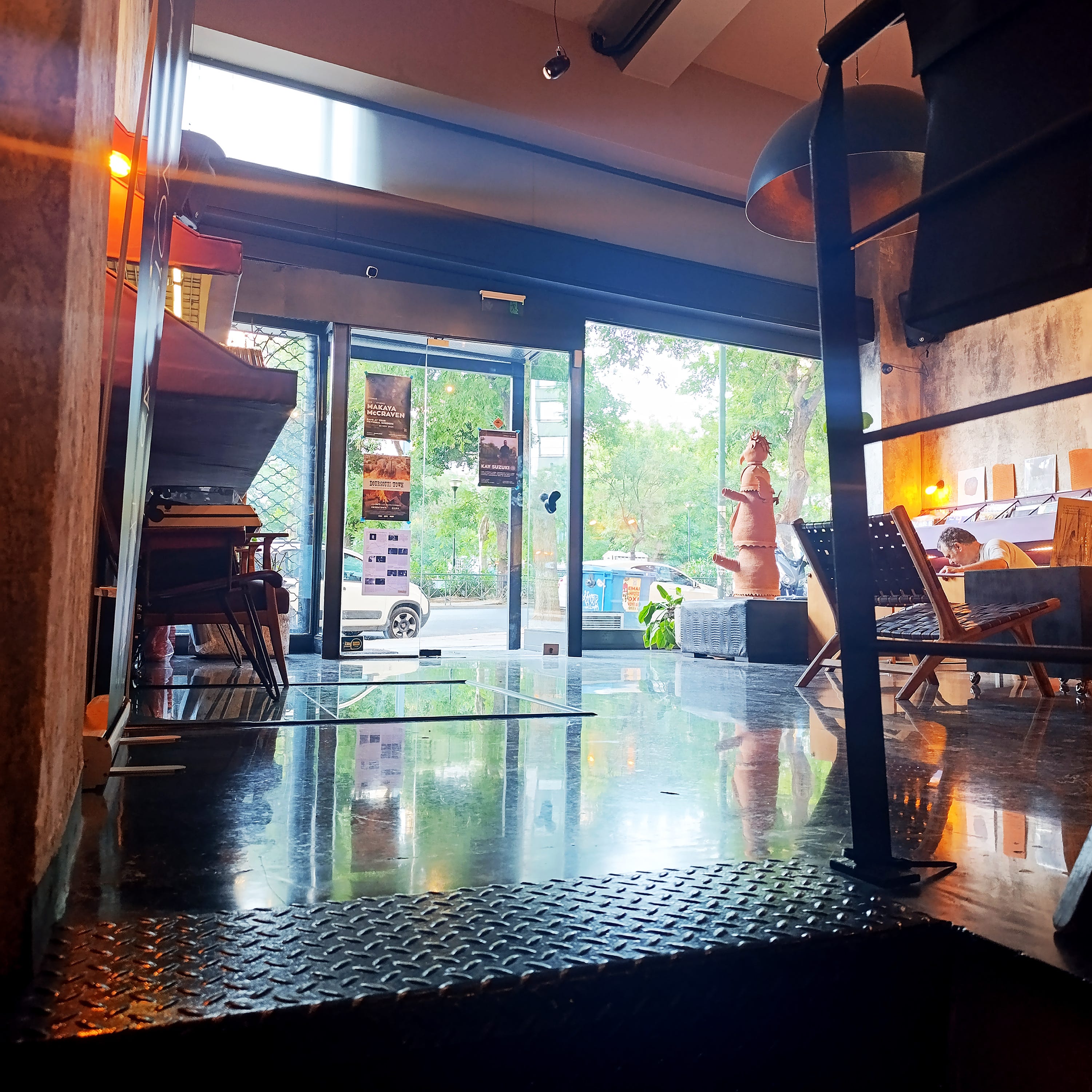
Underflow Record Store & Art Gallery sits in Koukaki like a place that has already made its decisions. The ceilings are high, the floors are marble, the walls are bare concrete. Sound carries. Movement slows. Nothing feels provisional.
It opened in 2015, at a point when Athens was still recalibrating after the financial crisis, and much of the city’s cultural life had shifted into small, self-organised rooms built by hand. Underflow emerged from that moment, with a clarity of intent that remains legible today.
That sense of permanence doesn’t last long. Over the past decade, the life inside Underflow has been anything but static. The room has been shaped by constant adjustment, long nights of improvisation, and events that arrived without warning and altered its course.
What remains is not a concept or a programme, but a room that continues to be used. Played in. Listened to. Returned to.
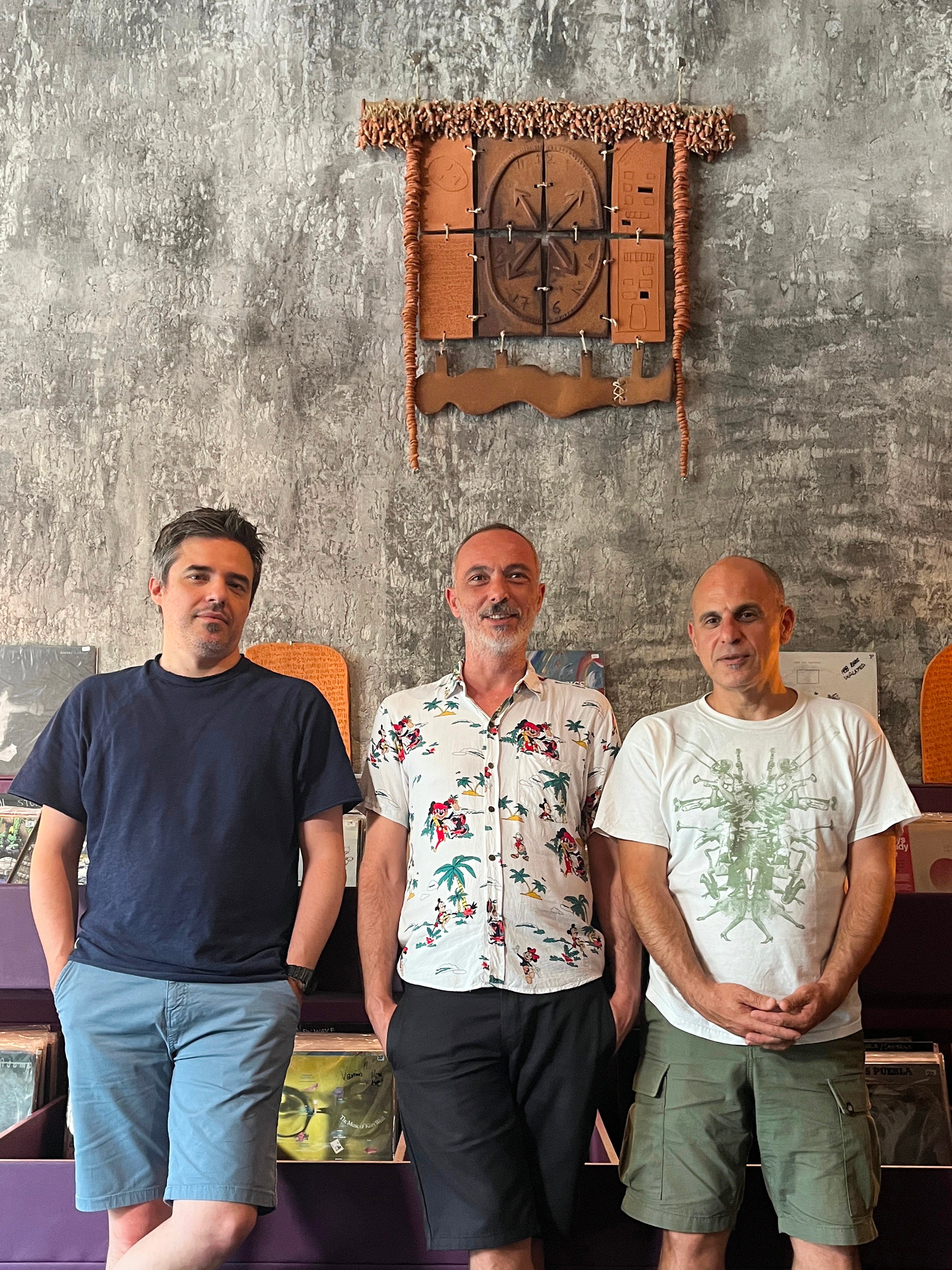
This piece draws on conversations with Yiorgos, who first came to Underflow as a musician and later became involved in booking and shaping parts of the programme in the basement; Filippos, a close friend of the late co-owner Yiannis, who stood alongside him during the shop’s most difficult period and now works day to day to keep the space running; and Alexis, a long-time supporter and collaborator through Scenius, an Athens-based platform connecting experimental music and listening culture.
Q: The physical space of Underflow immediately suggests a very precise vision. Who was the founder, and what did he imagine when he built it?
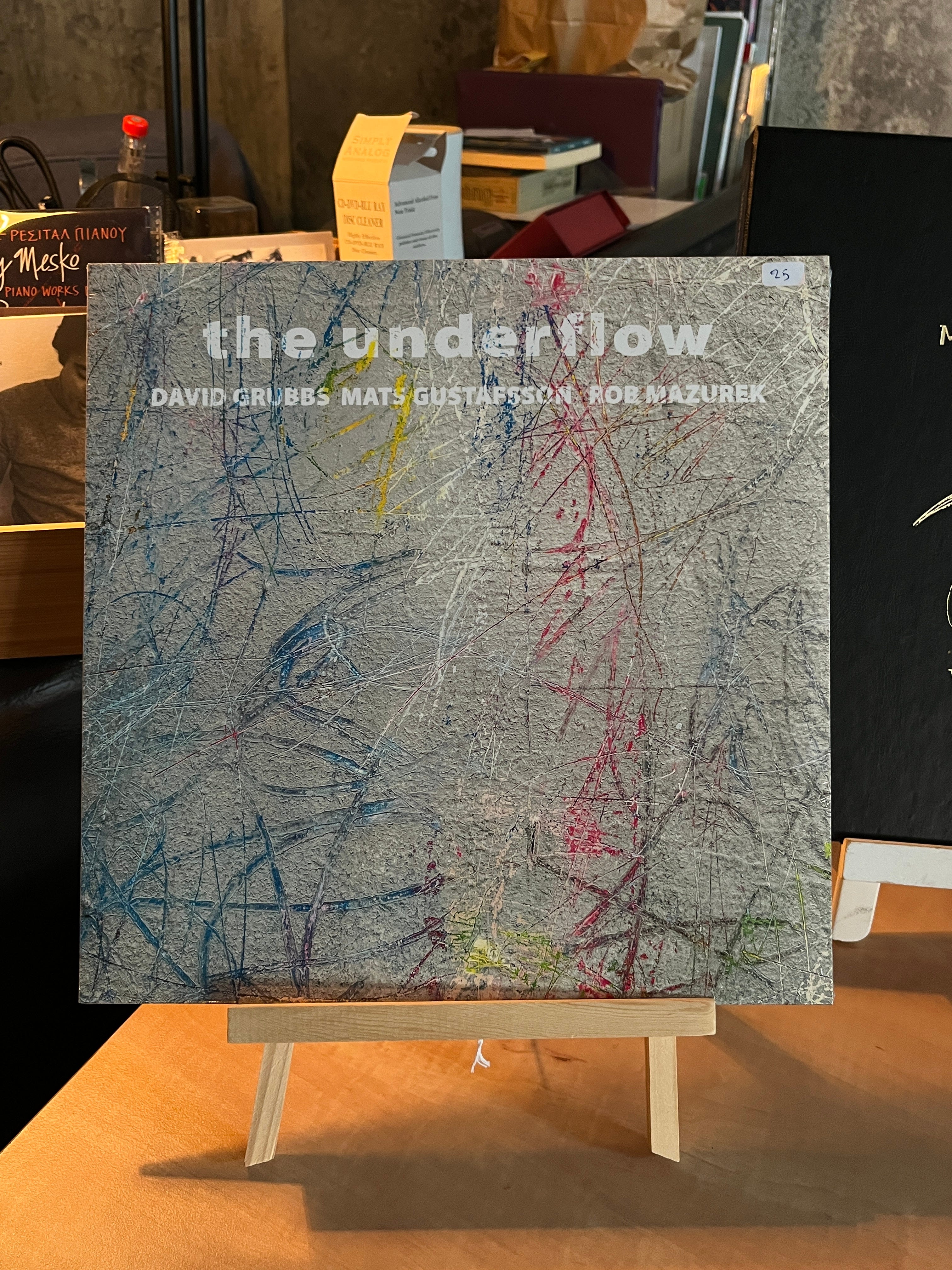
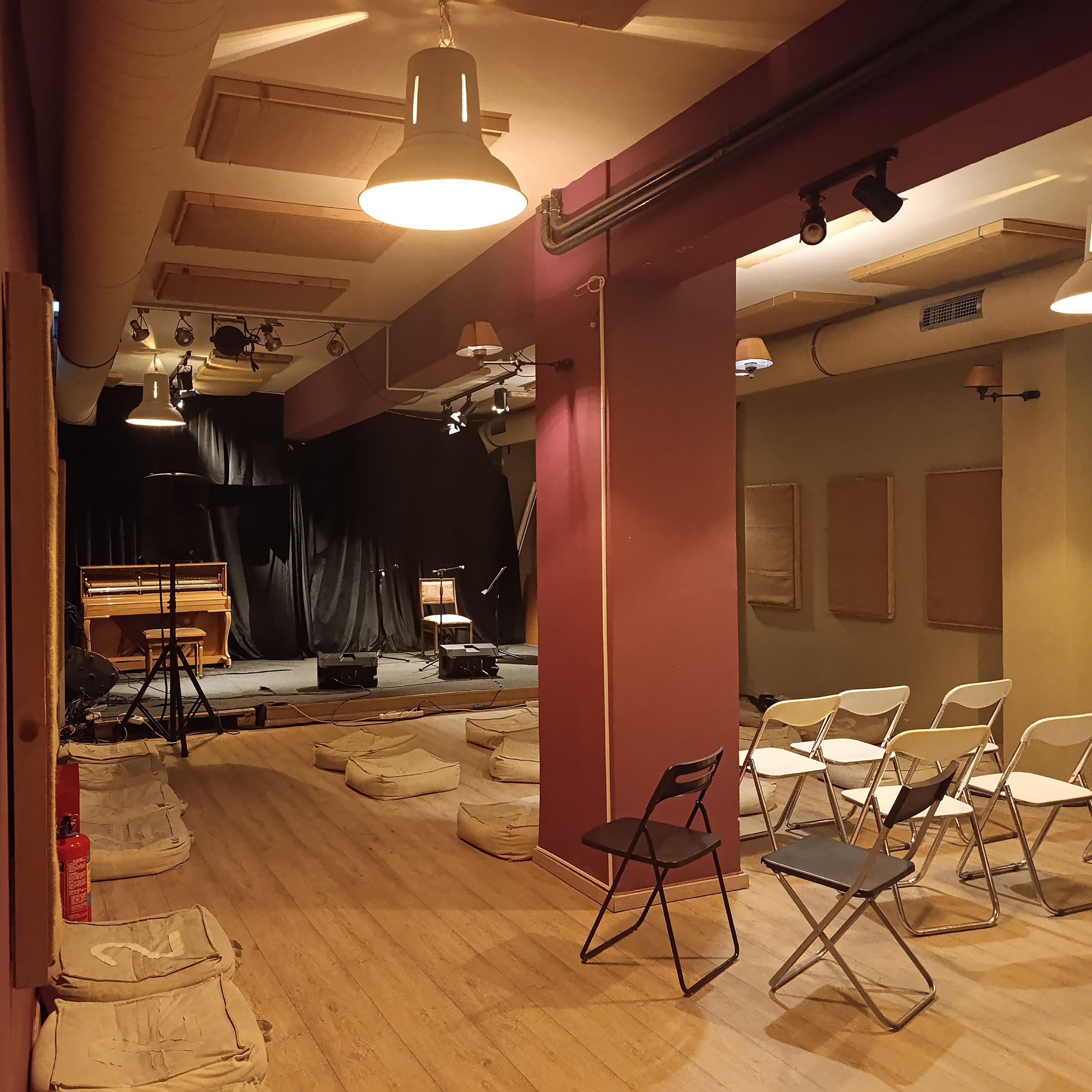
Yiorgos: Underflow was created by Vasilis Filippakopoulos. Before this, he ran a construction business, but at some point he decided to walk away from that life completely. His dream was to build the ideal record shop, and he finally realised it about ten years ago. Everything you see - the concrete walls, the high ceilings, the basement built for sound - he designed and constructed himself. He was incredibly sensitive to detail. For him, it was never just a shop. It was always meant to be a place where music, art, and people could mix naturally: a bar, a gallery, a venue, and eventually a label.
Q: Vasilis didn’t build it alone. Tell us about Yiannis, who later took over.
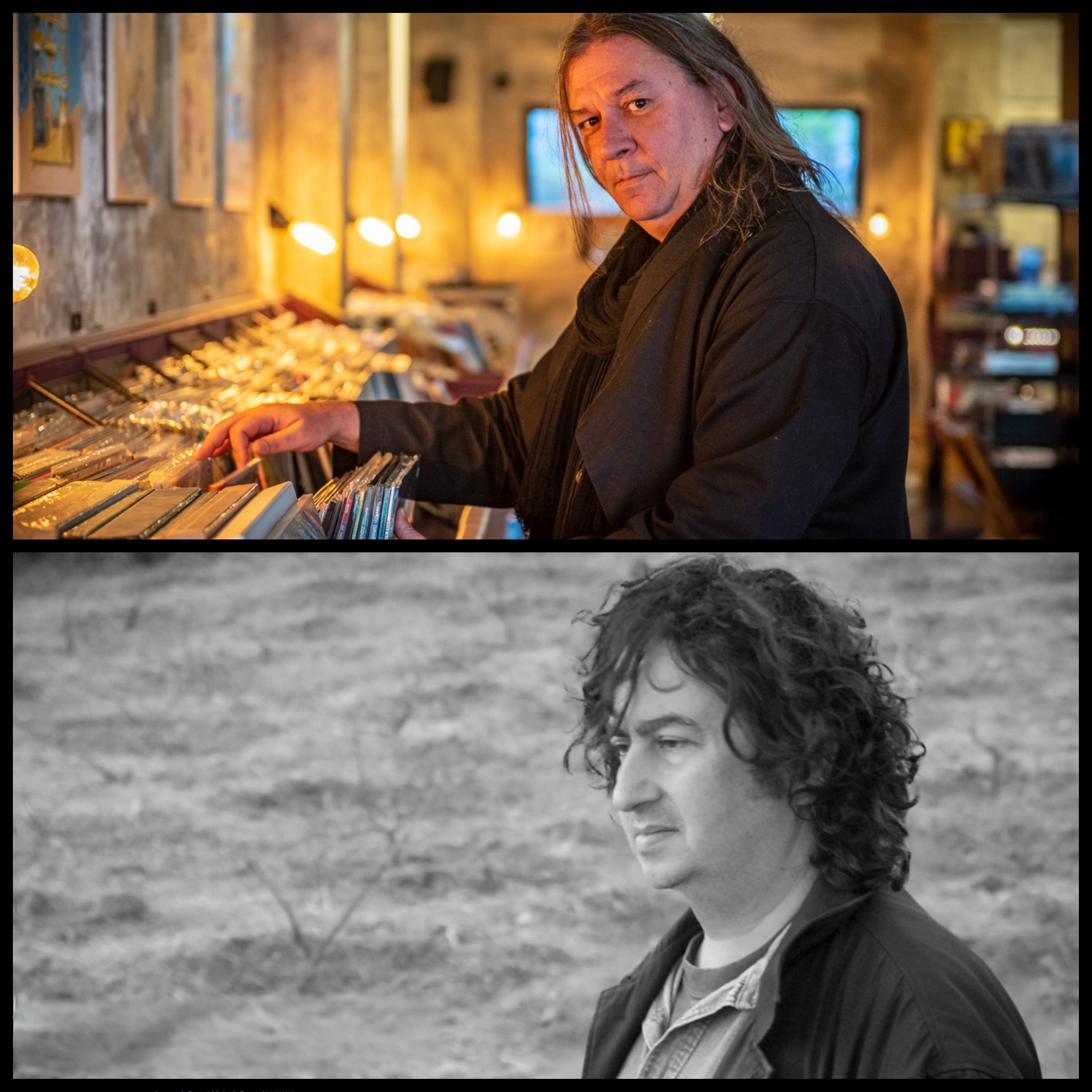
Yiorgos: There’s a parallel story here. Vasilis and Yiannis were best friends - “partners in crime” for years. They grew up together and travelled constantly, going to concerts around the world. Yiannis studied architecture and supported Vasilis from day one. He was an innocent giant, a big soul, a quiet lover of obscure Japanese music. The two of them shaped the atmosphere of Underflow together. Vasilis ran the space for about six years, but Yiannis shaped the vibe. He helped musicians find each other. He created the gallery’s early direction. People gathered because they felt the warmth of those two personalities combined.
Q: The shop’s story is also marked by unimaginable loss. What happened to Vasilis, and how did the shop survive that first transition?
Filippos: Vasilis was diagnosed with cancer and passed away very suddenly, within one or two months in 2021. After that, Yiannis took over and ran the shop for around four years.
The challenge wasn’t only emotional; it was financial. While Vasilis was alive, he could cushion losses thanks to his previous construction work. Yiannis didn’t have that safety net. He was deeply loved, and he continued to build a strong network around the shop, but it was incredibly difficult to manage all five parts of the business without that financial buffer. And then, tragically, Yiannis developed the same type of cancer - intestine, spreading to the liver - and he passed away in April 2025.
Q: With the loss of both founders, how is Underflow surviving now? How is the community responding?
Yiorgos: After Yiannis’s passing, the shop legally belongs to his brother, Isidoros, but we are a very small team working to keep it alive. The priority is simple: protect the space, keep the founders’ dream moving. The community’s response has been overwhelming.
For the 10-year anniversary recently, we organised a marathon event that wasn’t even planned properly at first. In the end, 45 musicians and 11 concerts happened in a single day. Around 500 people passed through the space in six hours. Musicians who had been part of Underflow for years showed up — some played together for the first time. The energy was incredible. Everyone wanted to support the continuation of this place.
You could feel the ten years of love in the room. It reminded us that “pieces of the castle” are still there; they’re coming back together through the community’s hands.
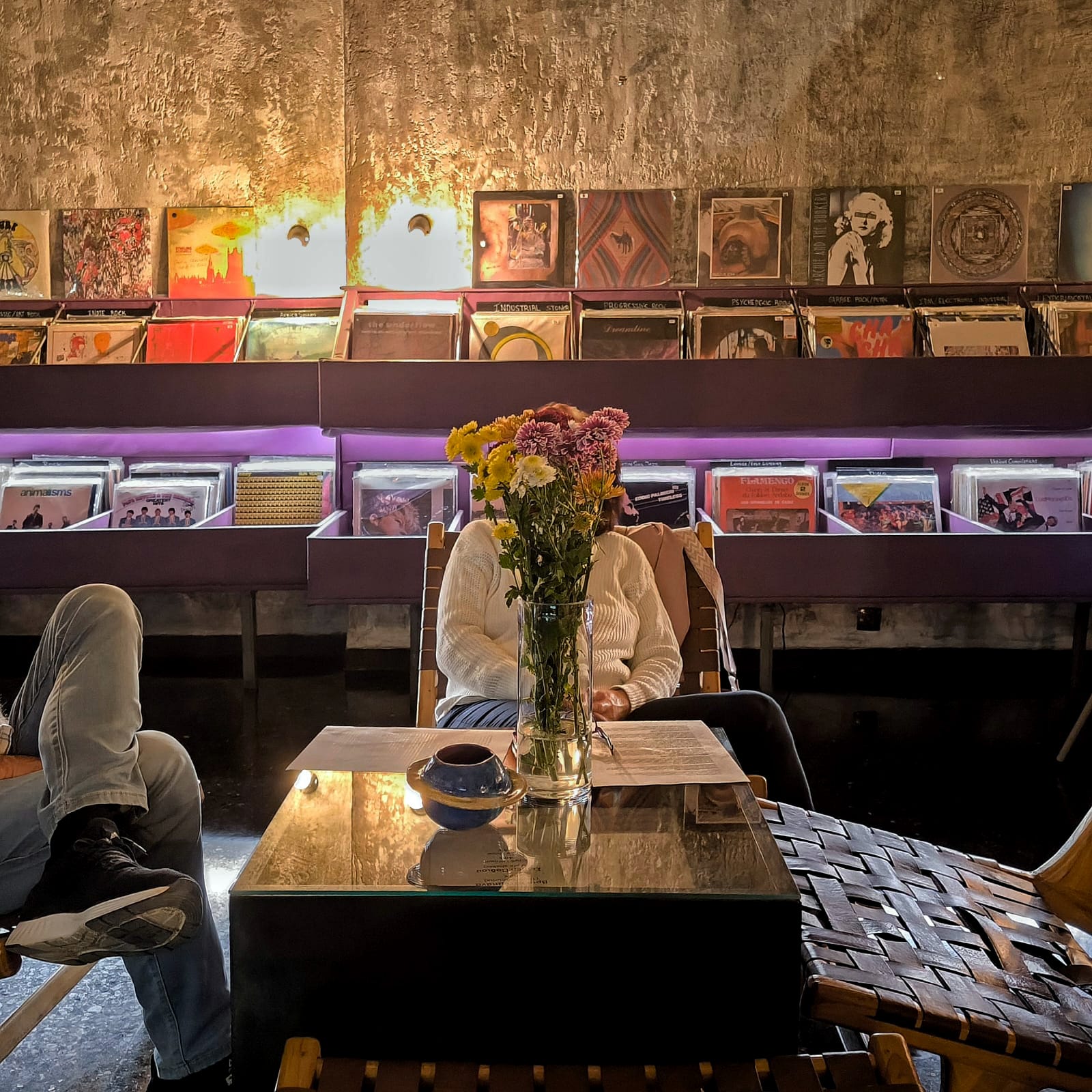
Underflow was built by two people who believed a room could be organised around music and the community it gathers. Not efficiency, not scale, not longevity. Just sound, space, and the relationships that form when people return to the same place over time.
After the deaths of both founders, the question was never whether the shop would grow or change. It was whether it could remain present at all. What became clear is that Underflow had already moved beyond the hands that built it. Its daily life was being carried by musicians, listeners, and collaborators who understood how the space worked, and why it mattered.
Today, Underflow continues not because it is owned or managed, but because it is used. Played in. Listened to. Returned to.
Part II looks at what happens next: the programme, the practices, and the small group now keeping the room open.

Underflow Mailing list sign up from here
💡 Paid subscribers perk:
From now till the end of January 2026’s 15% discount code for our bandcamp page is here below 👇
