
Stories From Another Time: Remembering Mário Rui Silva
To mark the 2026 half-speed remaster of Stories From Another Time, we remember Mário Rui Silva - guitarist, researcher, and the quiet force behind Bonga's Angola '72.

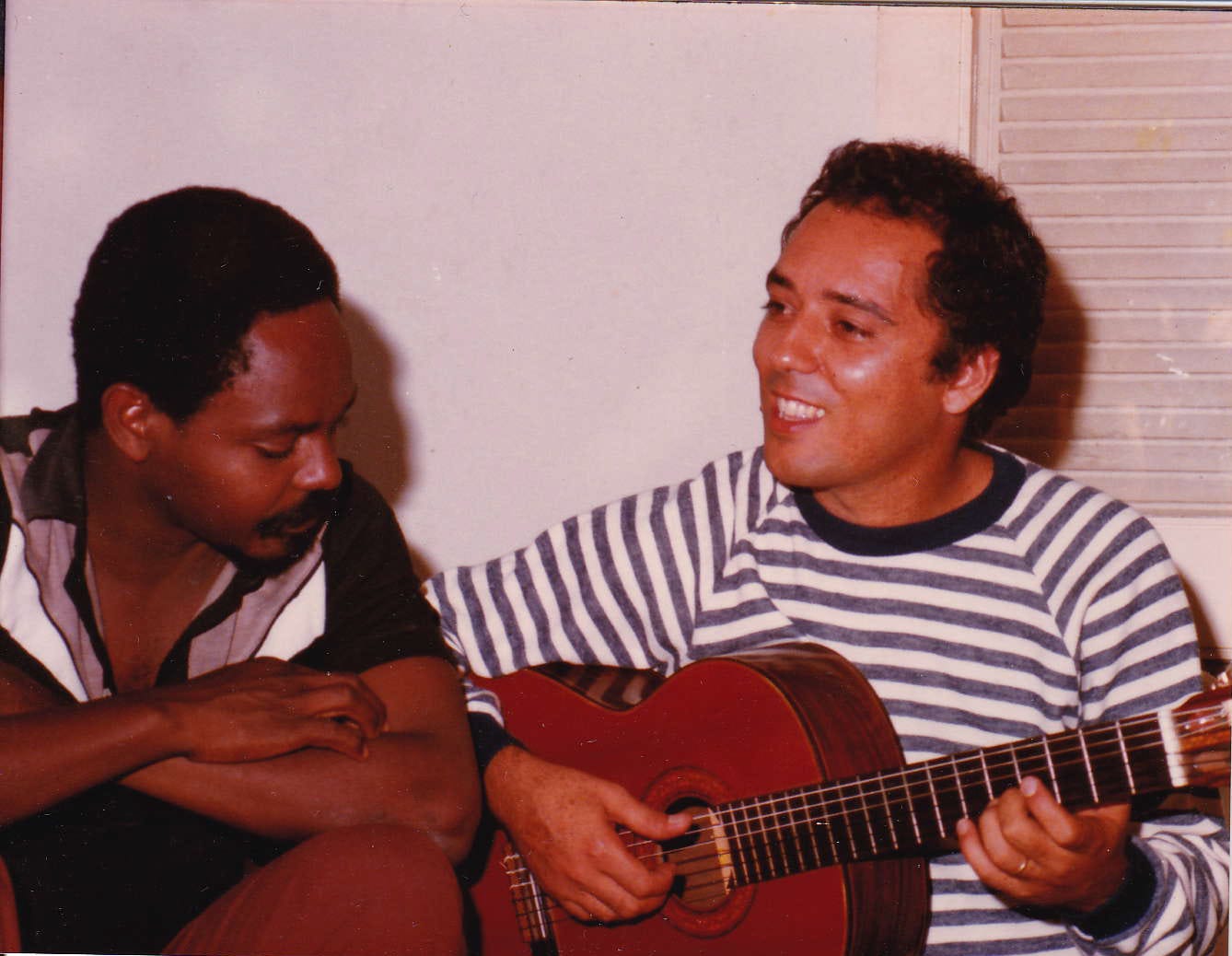
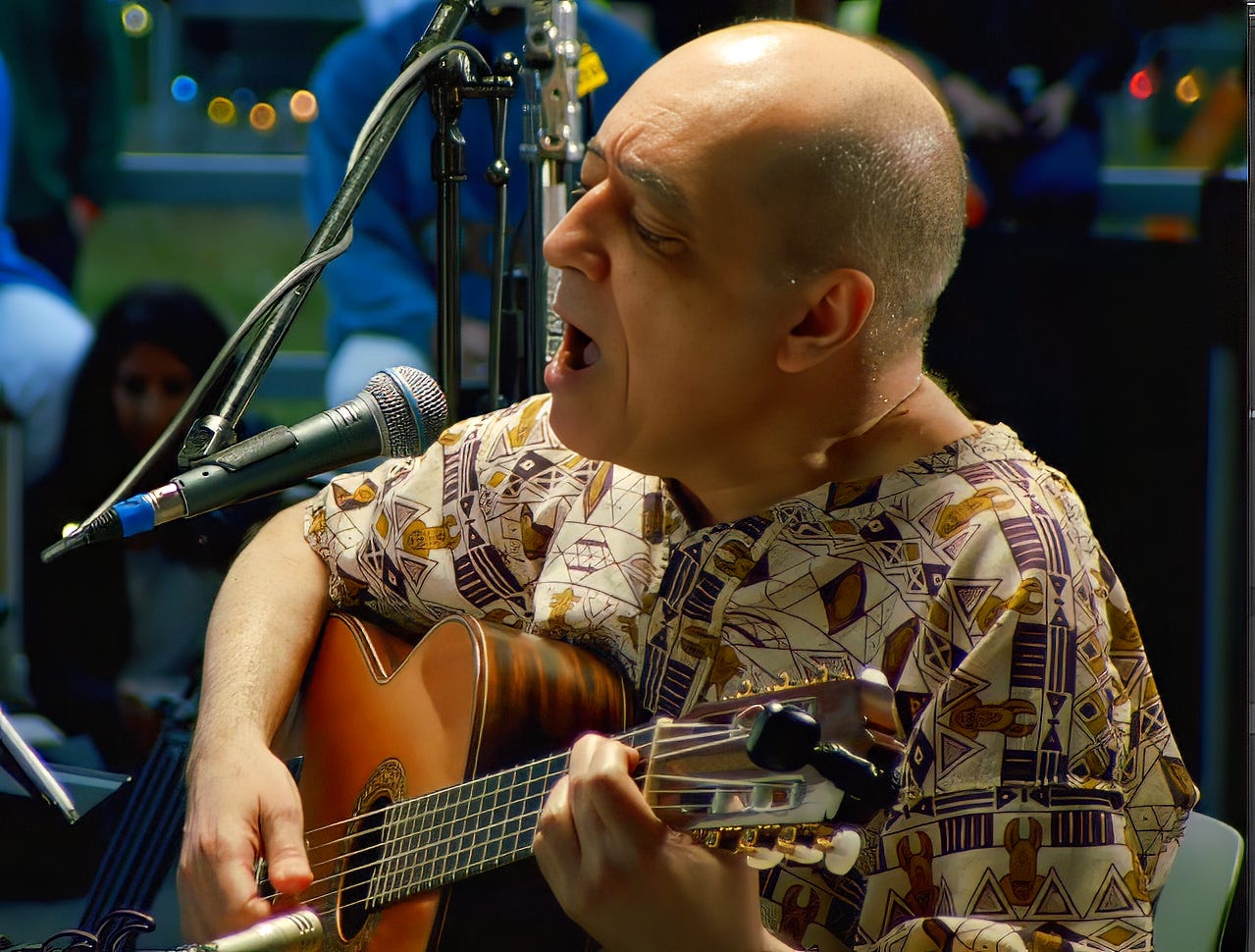
Mário Rui Silva - guitarist, composer, and one of Angola’s most important musicologists, spent nearly fifty years documenting his country’s music, from his role behind Bonga’s landmark album Angola ‘72 to decades of research into semba, language and lost histories.
Following his passing, we share two tributes: our own story of discovering his work, and a personal remembrance from his student and collaborator, Tello Morgado.
Stories From Our Time
Kazum-zum-zum.... Primitive drum machine, raw percussion. floating synthesizers moving through funky bass-lines and unmistakable YAMAHA DX7 textures. The whole thing felt strangely futuristic and ancient at the same time.
Sam Jacob had first stumbled upon one of Mário Rui Silva’s records at Alan’s Records in London and started digging deeper into his catalogue. Soon after, he played me “Kazum-zum-zum” and my mind was blown. Despite its hypnotic groove and unforgettable refrain, the song is actually a blues. A lonely song about a man with no family, no wife and no children.
You hear similar contradictions throughout Mário Rui’s music. At first, some of it almost sounded Brazilian to me. There was this saudade feeling in the guitars that reminded me of Baden Powell. But the deeper we listened, the stranger the music became. The rhythms moved differently. The arrangements felt relaxed but full of detail. Percussion whispering from left and right while guitars floated above everything with complete freedom.
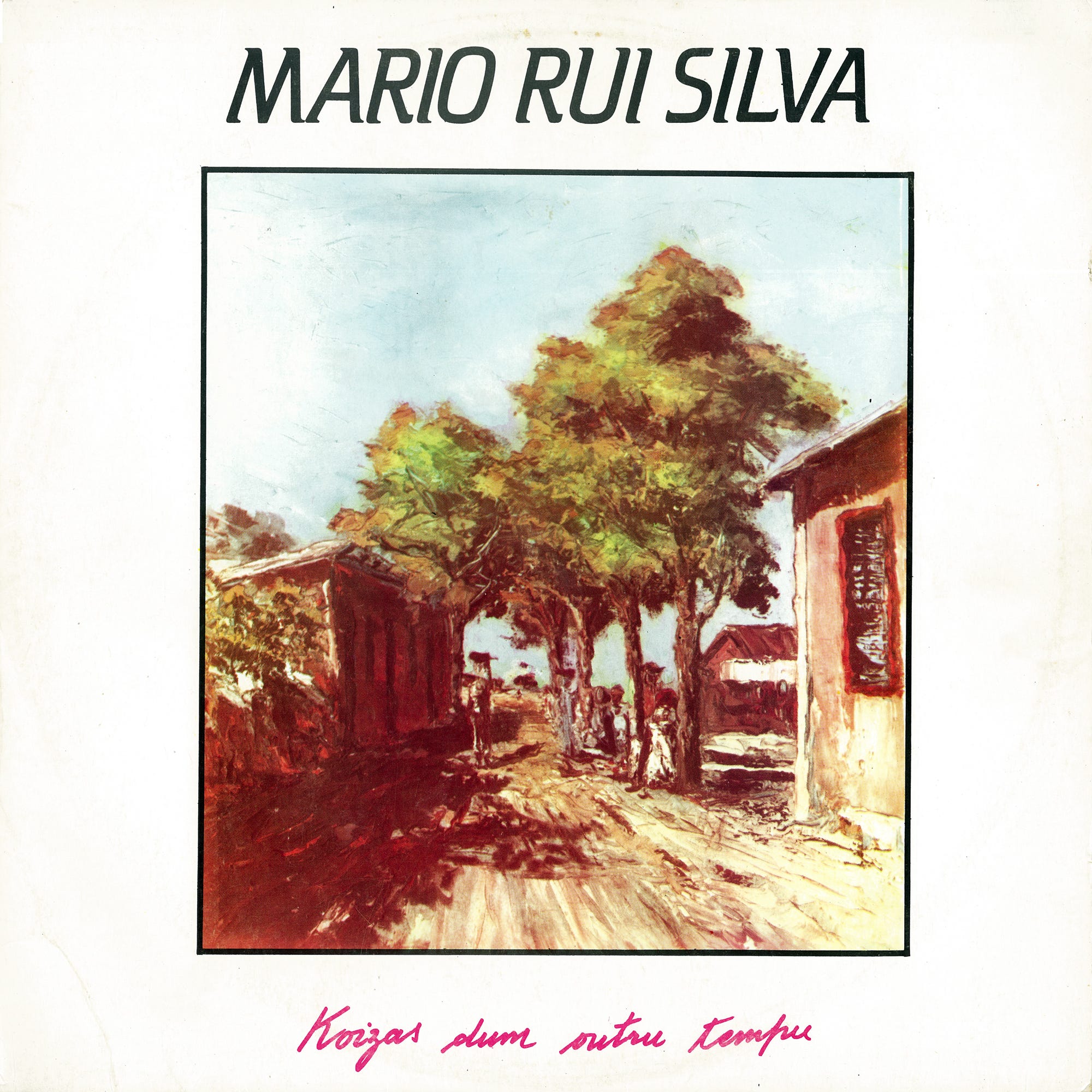
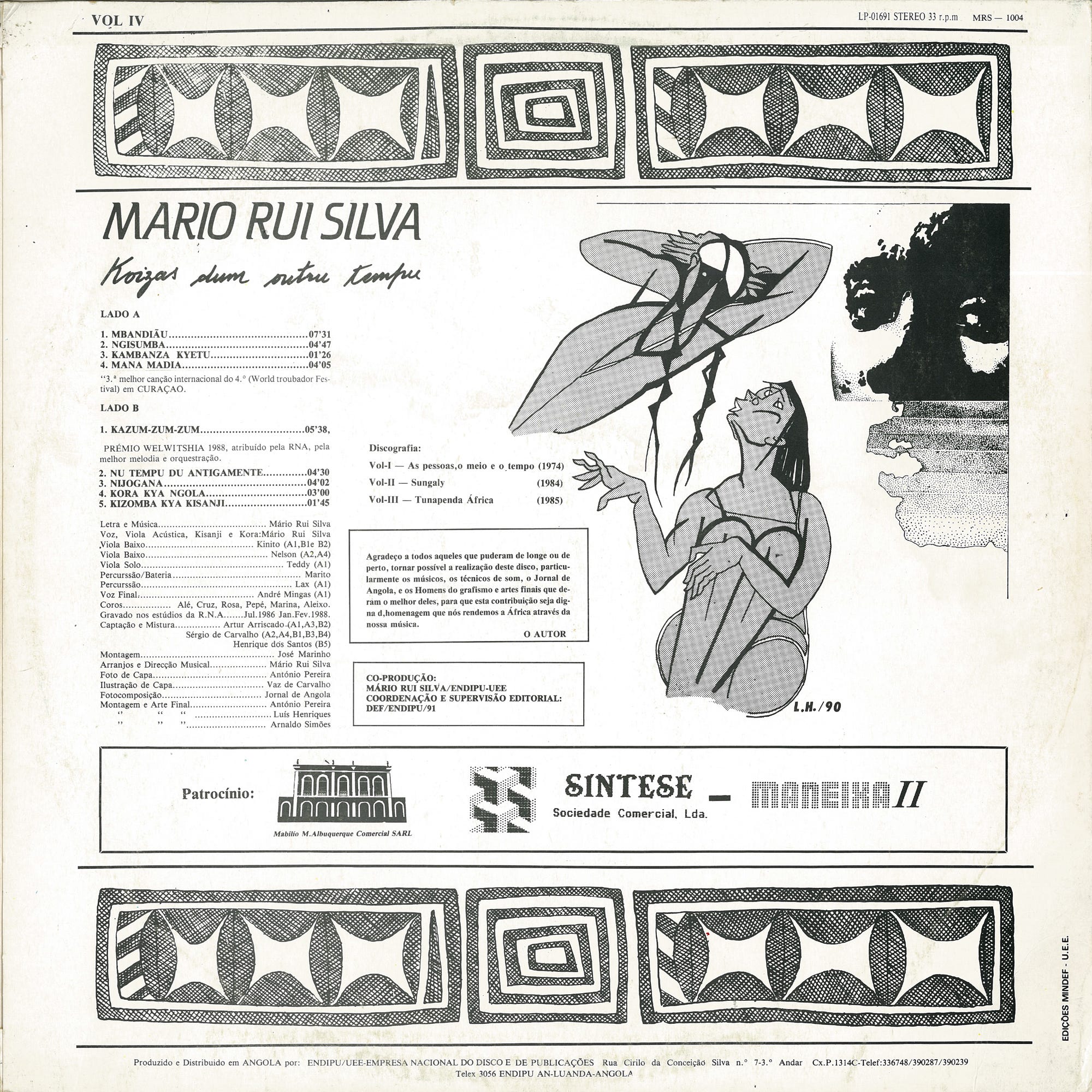
After Sam introduced me to the music, we contacted Mário Rui directly. To our great joy, he gracefully agreed to work with us on releasing these recordings. With the help of my Portuguese friend Manuel Guerra, we slowly began understanding the scale of his work over several decades.
Most people know Angola ‘72 by Bonga, one of the most important records in Angolan music history. But fewer know that Mário Rui introduced Bonga to the musicians and the studio in Rotterdam, co-produced the album, arranged it and played guitar throughout the recordings. At the time, Bonga was already a famous athlete and public figure, so naturally the spotlight remained fixed on him while Mário Rui stayed in the background.
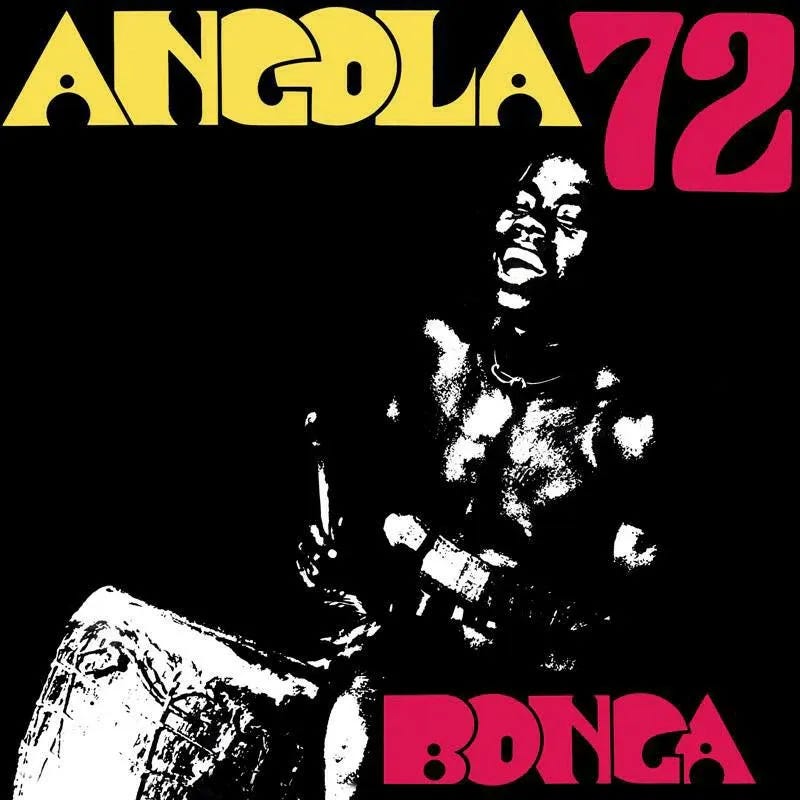
Yet his fingerprints were everywhere. Not only as a guitarist, but as a researcher, archivist and cultural historian. He studied language, oral traditions and older Angolan songs while documenting disappearing histories through books, recordings and composition.
Many of his recordings from the 1980s feel suspended between timelines. Semba, folklore, jazz, Brazilian harmony, drum machines, synthesizers, Paris, Luanda, exile, memory. Everything coexists at once.
One listener wrote on our bandcamp page: “Honest African music, set in a complex historic context from white people generations raised in Angola. A place that doesn’t have an address, it belongs in my heart.”
When we released Stories From Another Time 1982–1988 in 2021, the first pressing disappeared within weeks, but Covid-era manufacturing delays meant it took nine months for the second pressing to finally arrive. Even that quickly sold out, while copies slowly disappeared into collections and second-hand prices drifted far beyond what we ever intended. For this 2026 edition, Stuart Hawkes at Metropolis Studios cut the album at 45RPM using half-speed mastering, giving these recordings even more space, depth and detail.
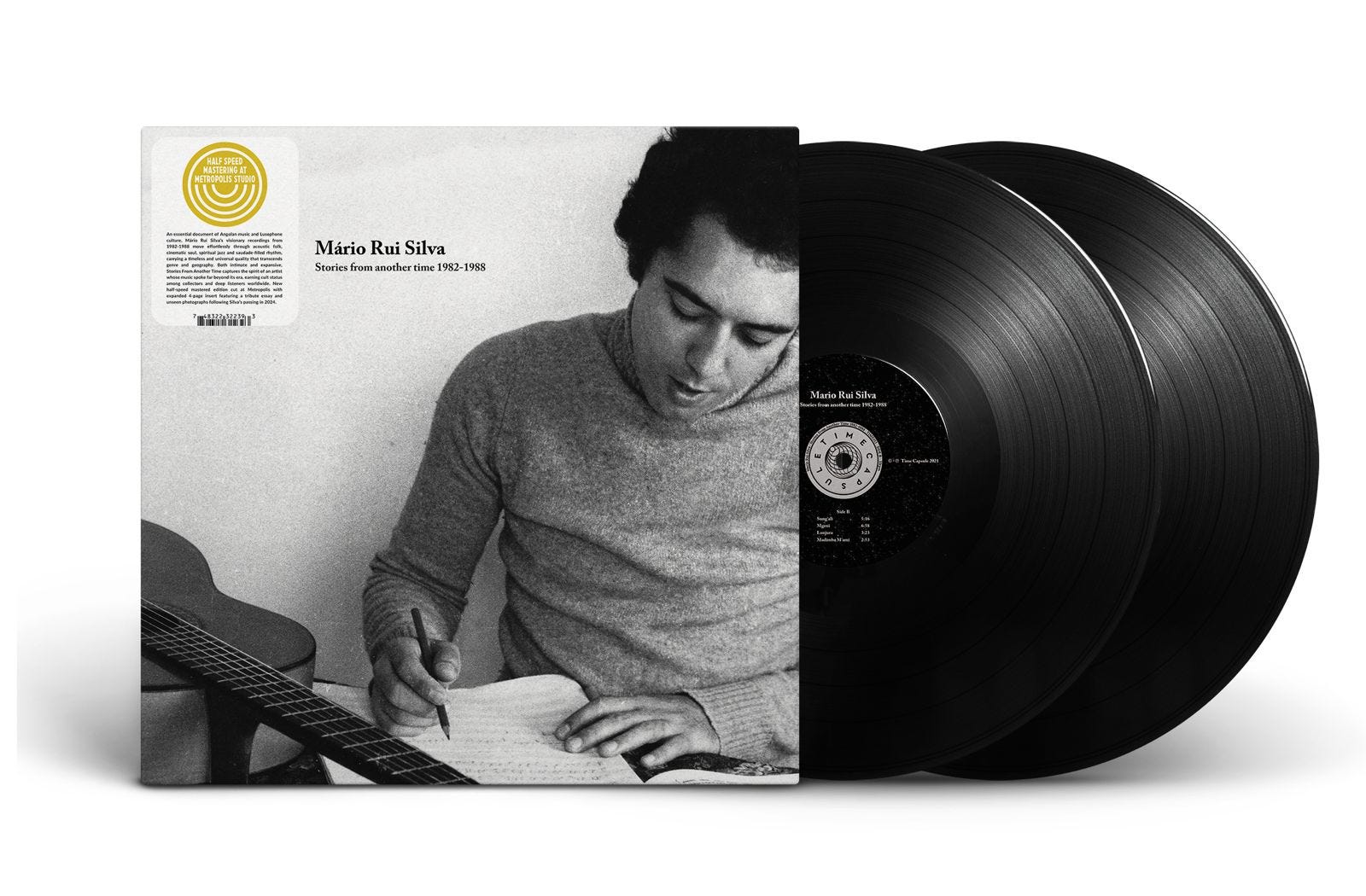
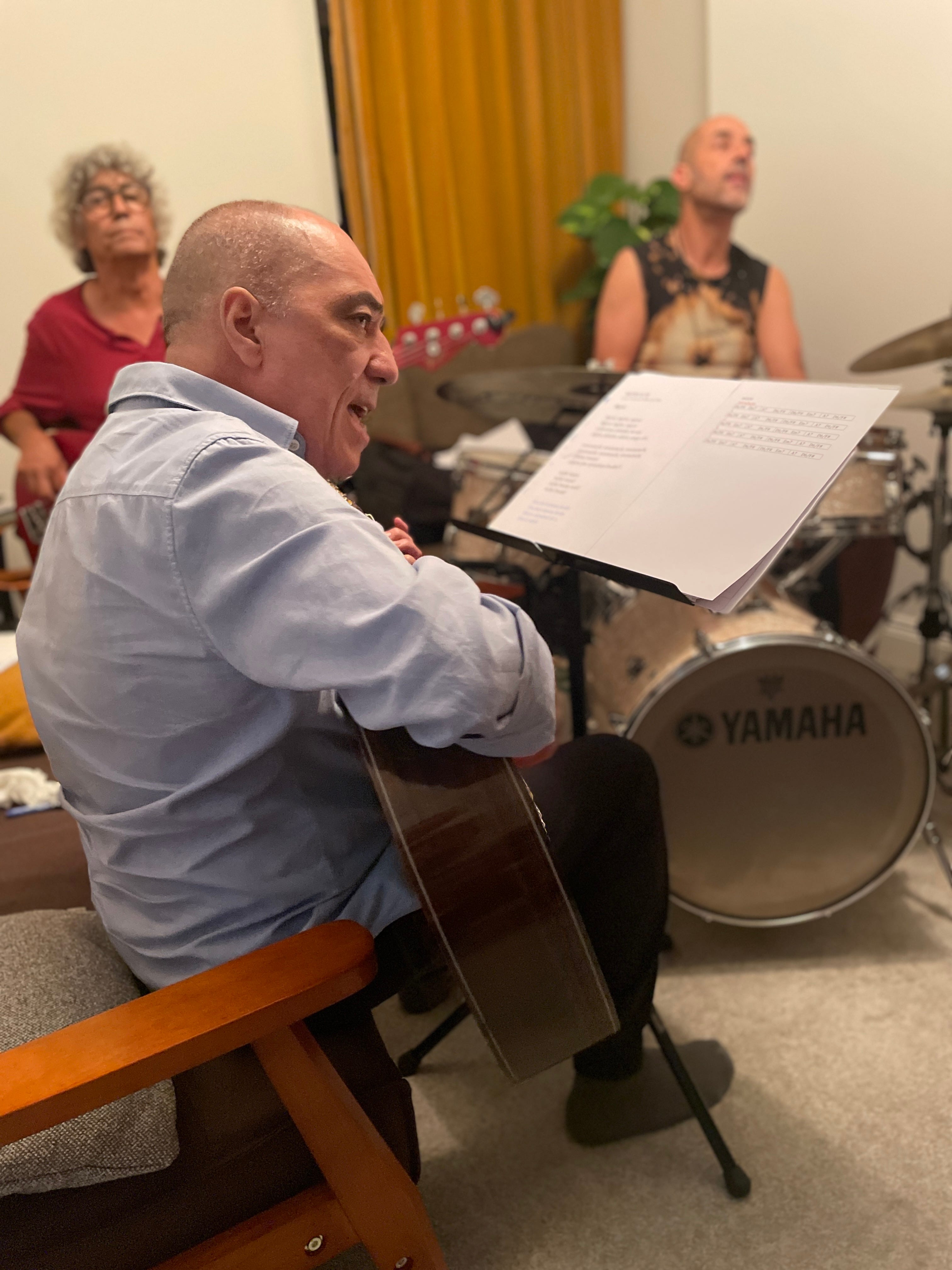
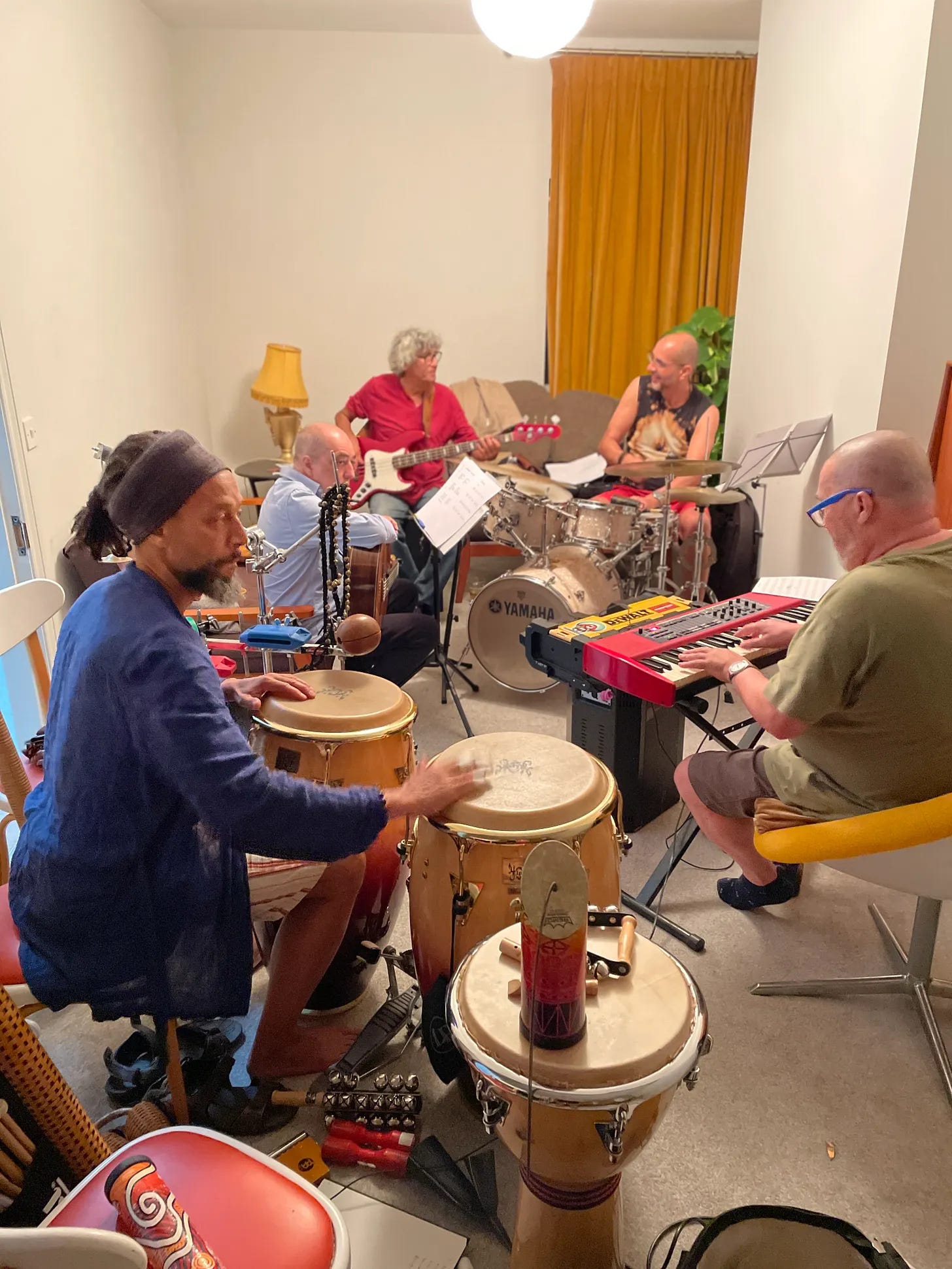
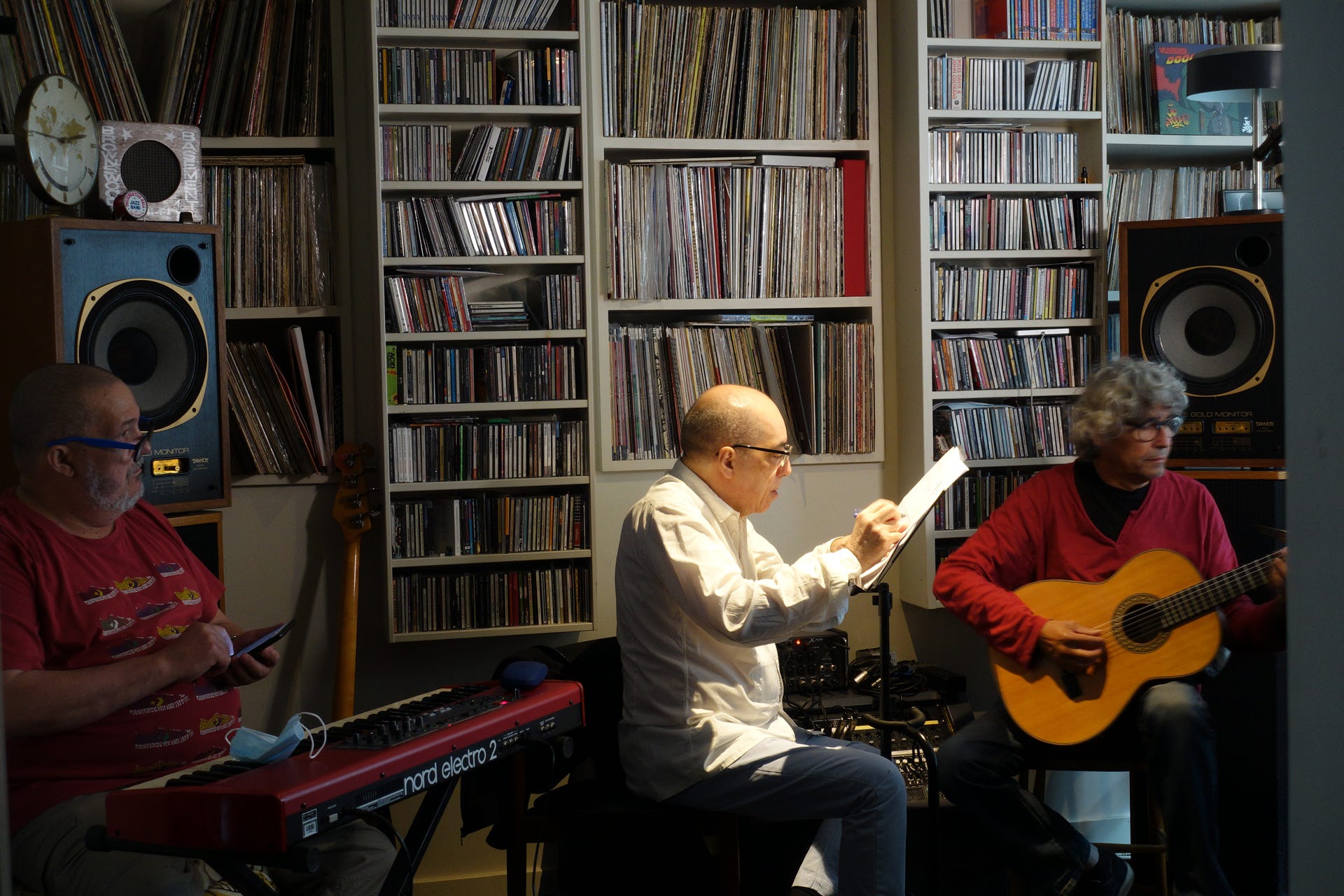
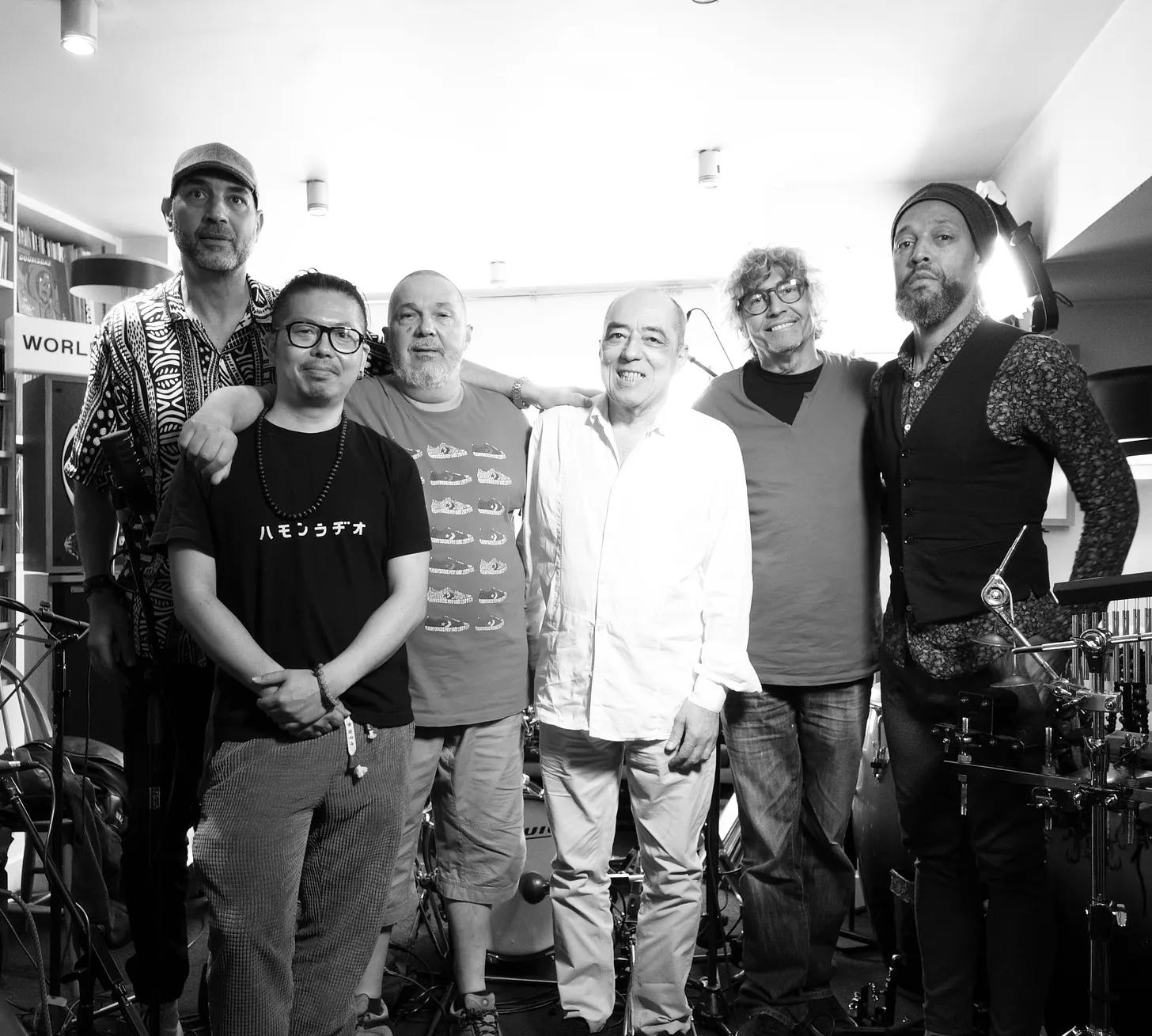
One of the most beautiful parts of this whole journey was bringing Mário Rui Silva to the UK in 2021 alongside musicians from Lisbon and London.
I still remember the rehearsal before the first concert in Margate. Old friends reuniting after decades, musicians laughing, playing and exchanging stories late into the evening. The atmosphere inside the house felt incredibly warm. You could feel the anticipation building before the concerts had even begun.
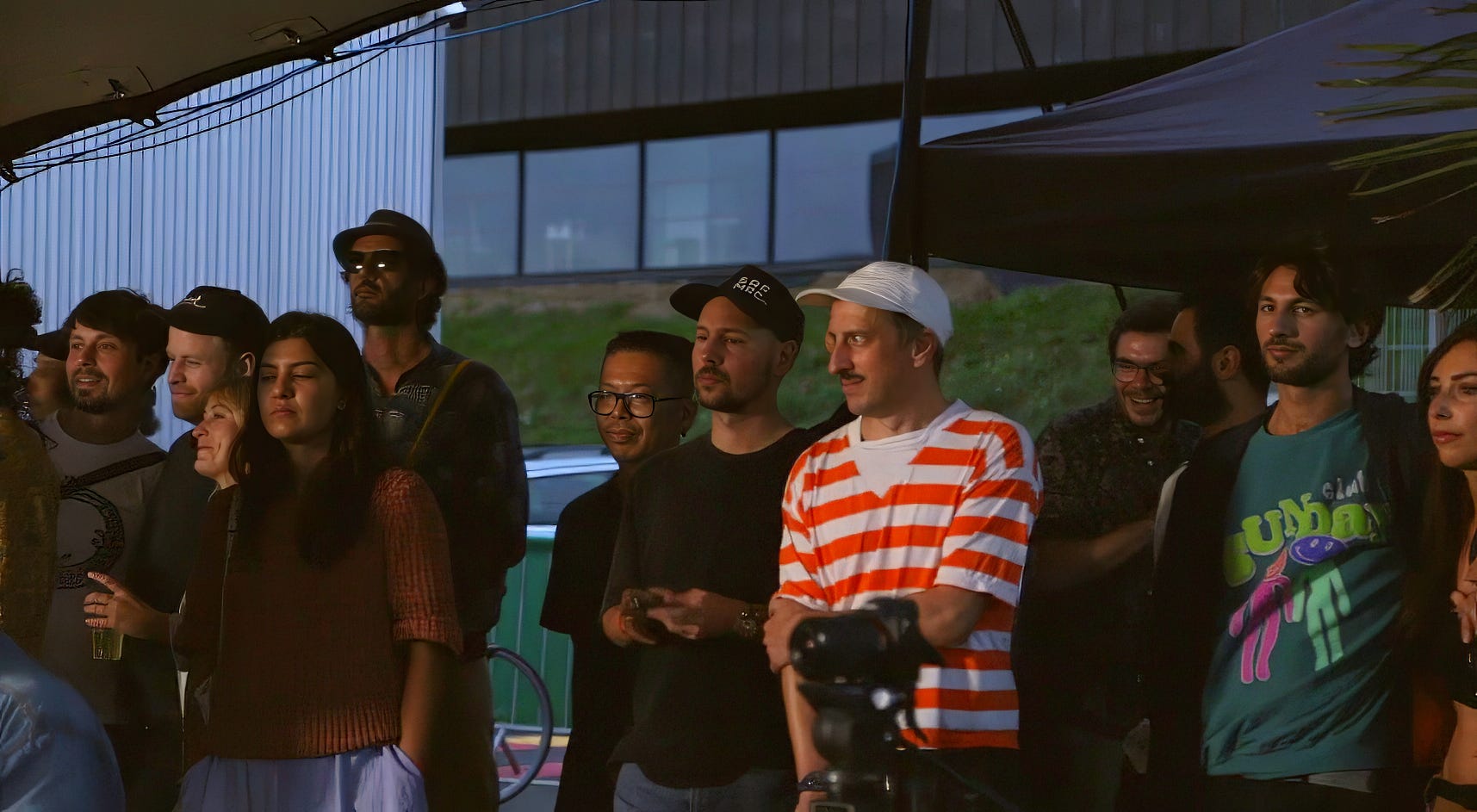
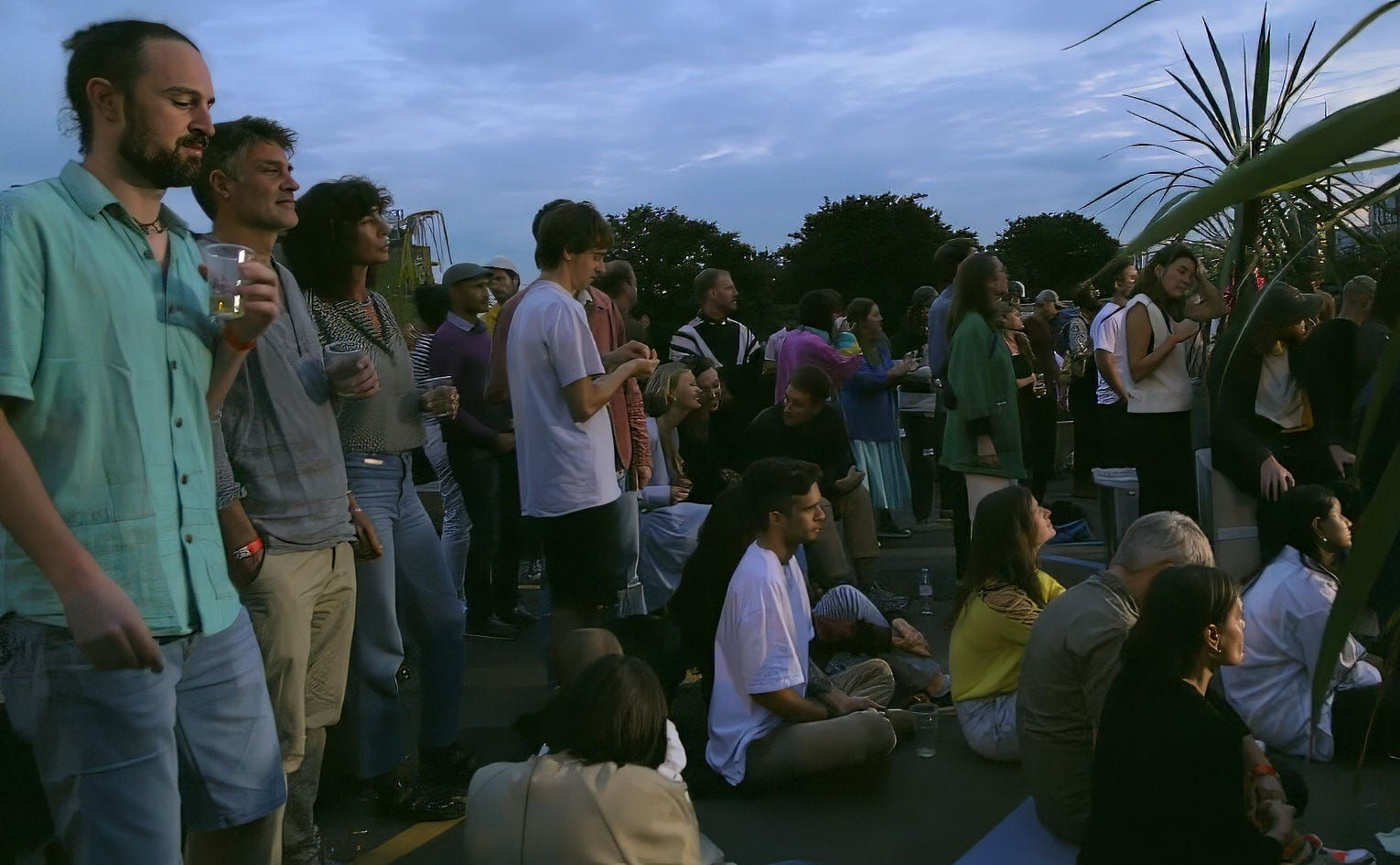
London’s concert was one of the most beautiful experiences we’ve had. It was a warm sunny Sunday in early September at an open-air venue in East London. Families, children, friends, musicians and people who just discovered a newly released this record, all gathered together.
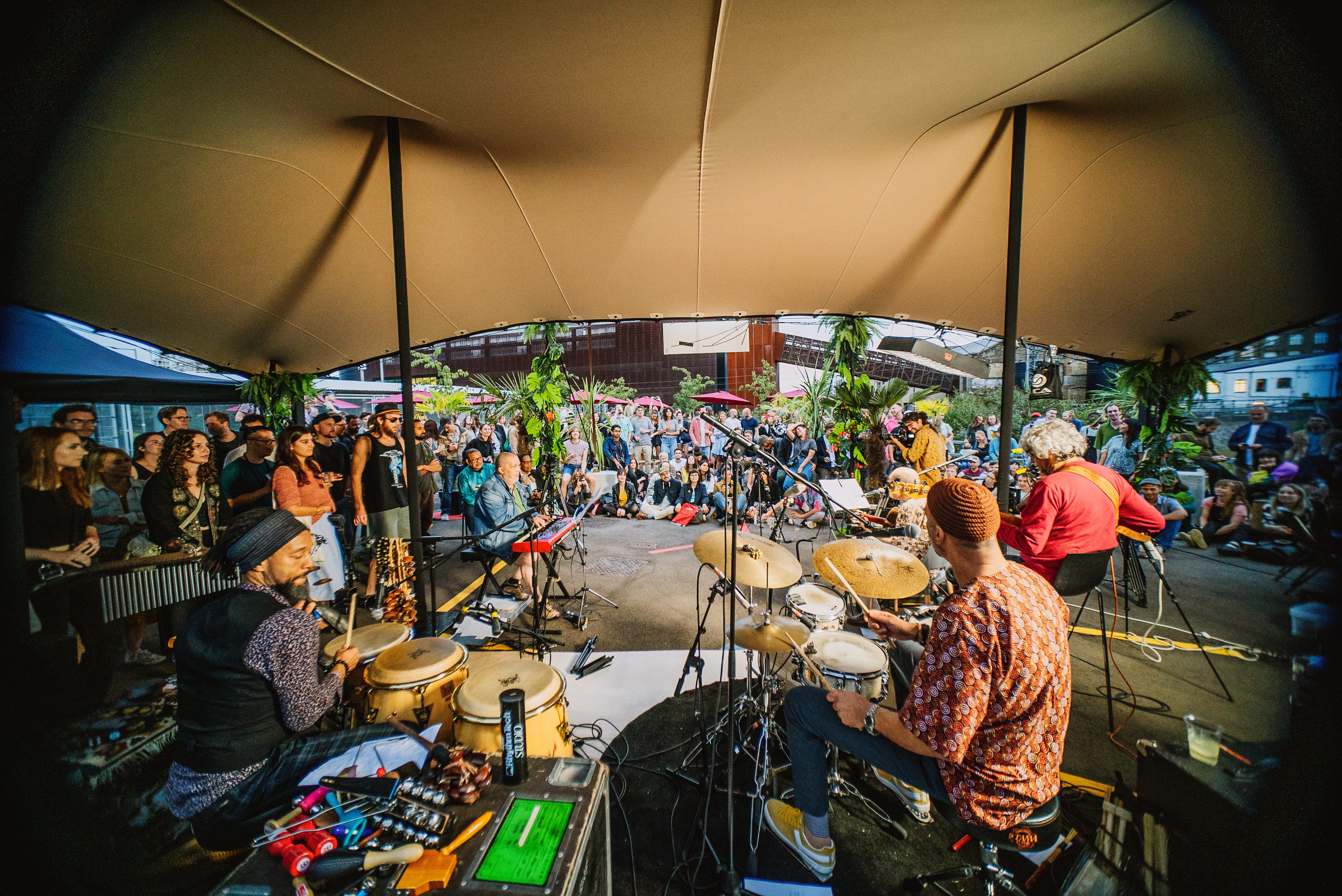
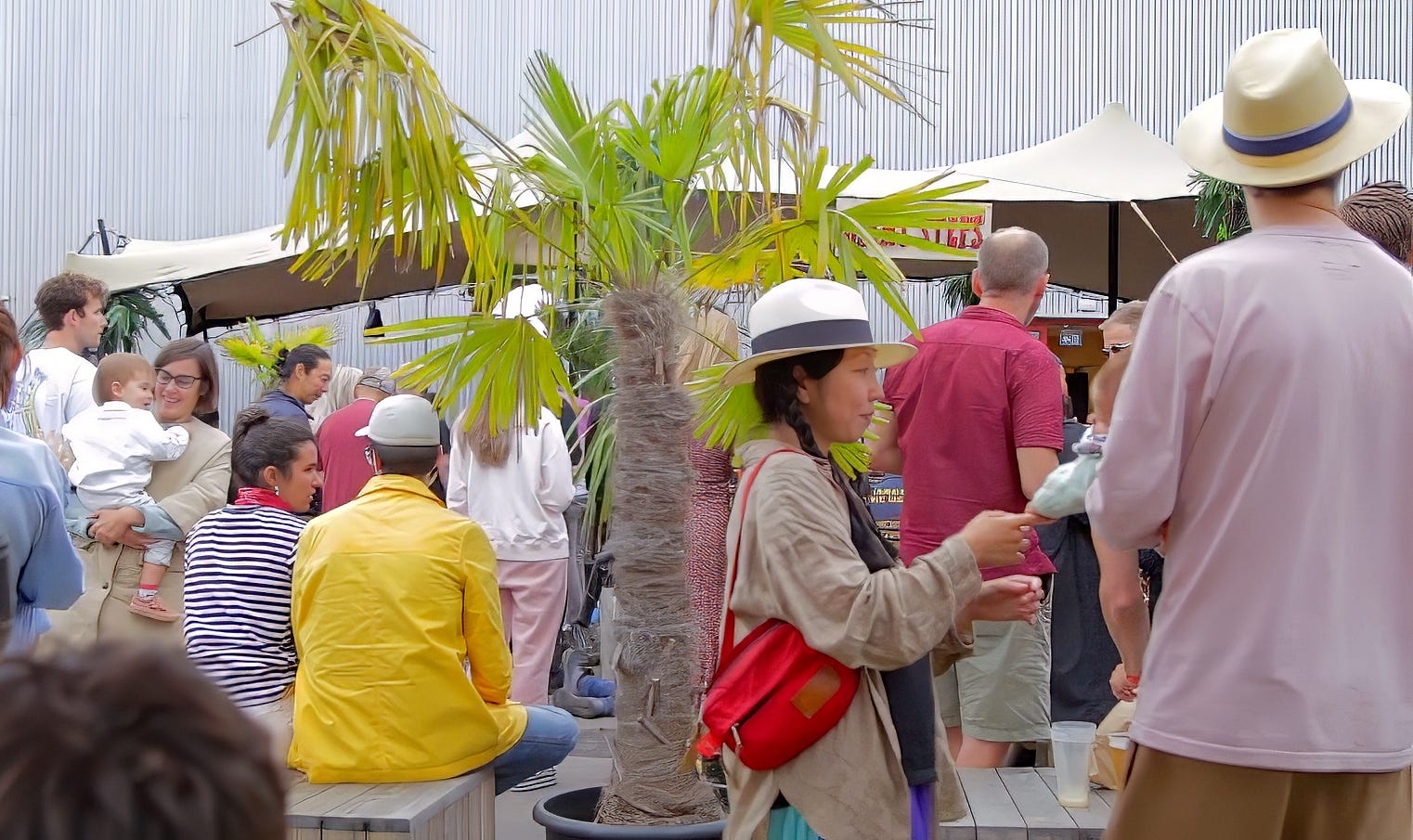
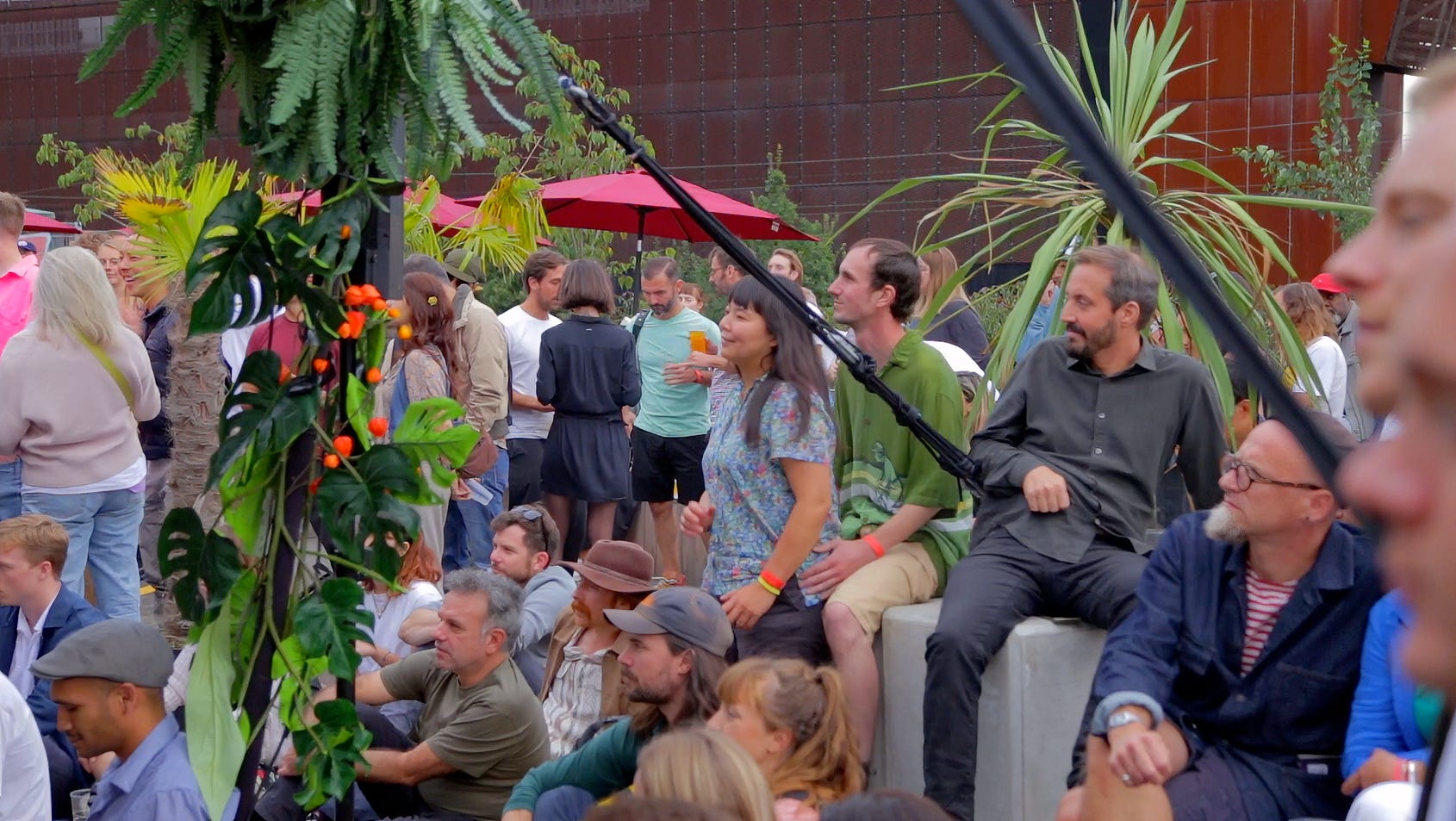
And Mário Rui delivered beautifully. I will never forget hearing the audience sing along with the band while daylight slowly disappeared into sunset.
At the time, we could never have imagined how deeply these recordings would connect with people around the world. But somehow the sensitivity inside the music seemed to reach people immediately. The following year, Mário Rui Silva received Angola’s National Prize for Culture and Arts in recognition of his lifelong contribution to Angolan music and culture.
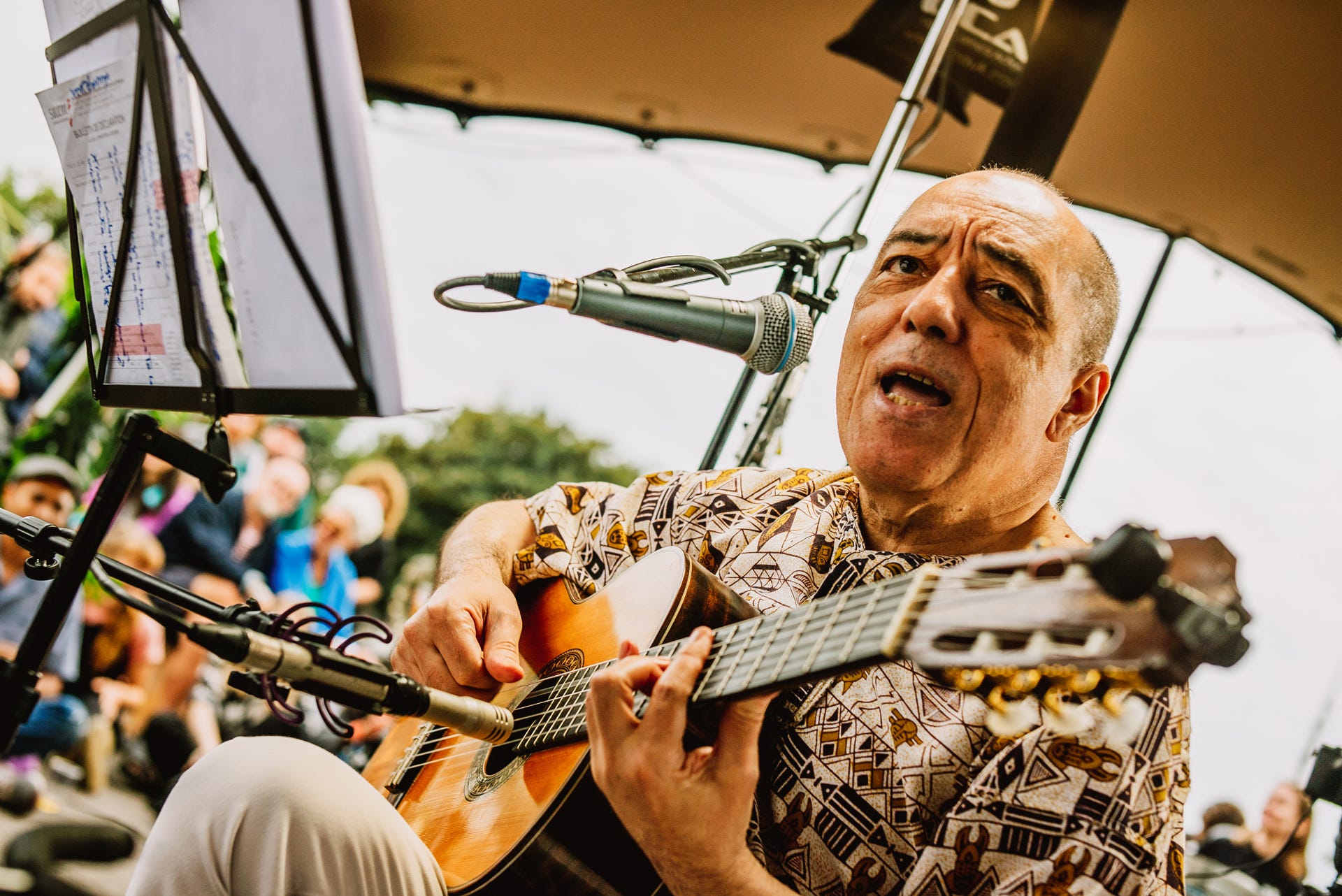
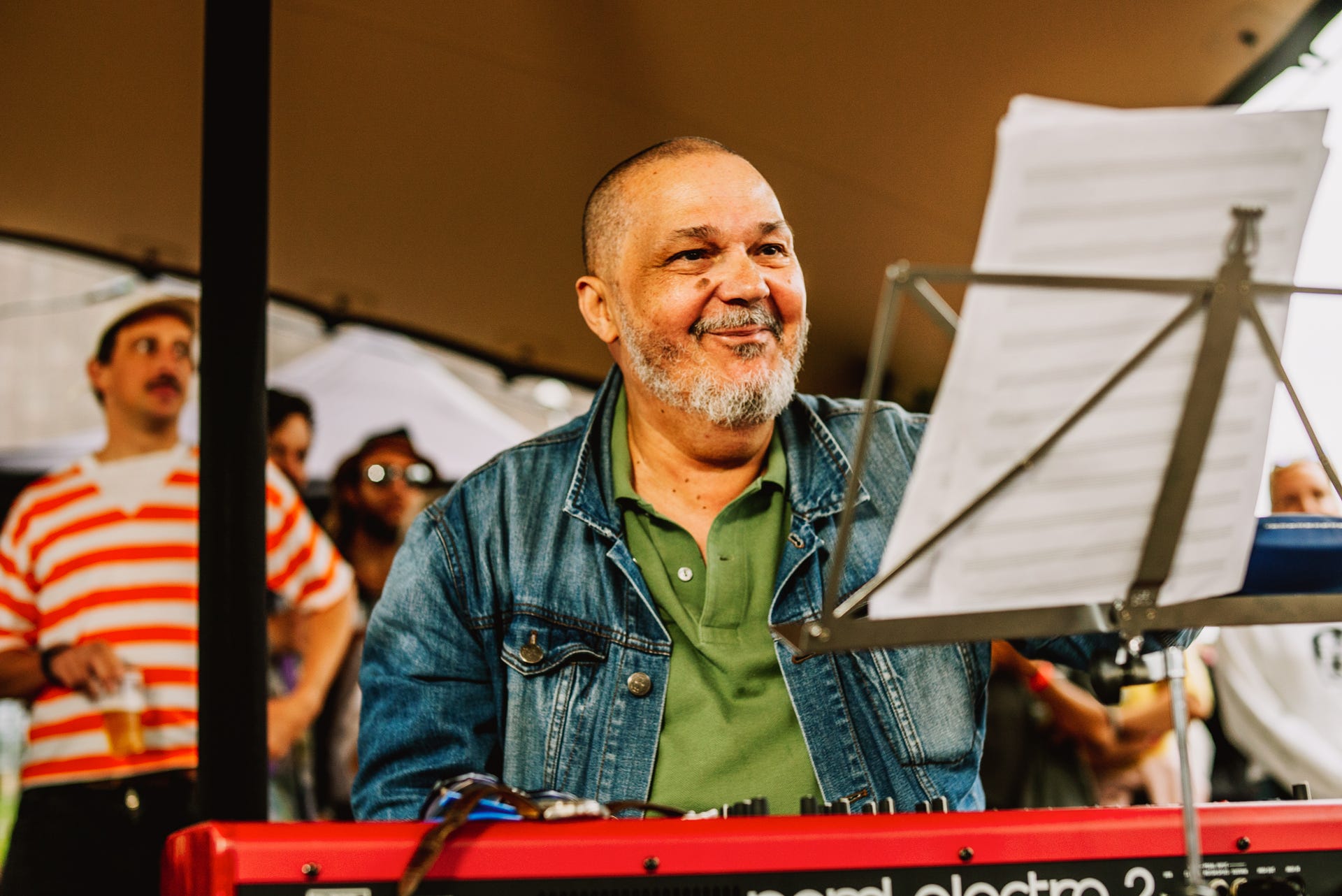
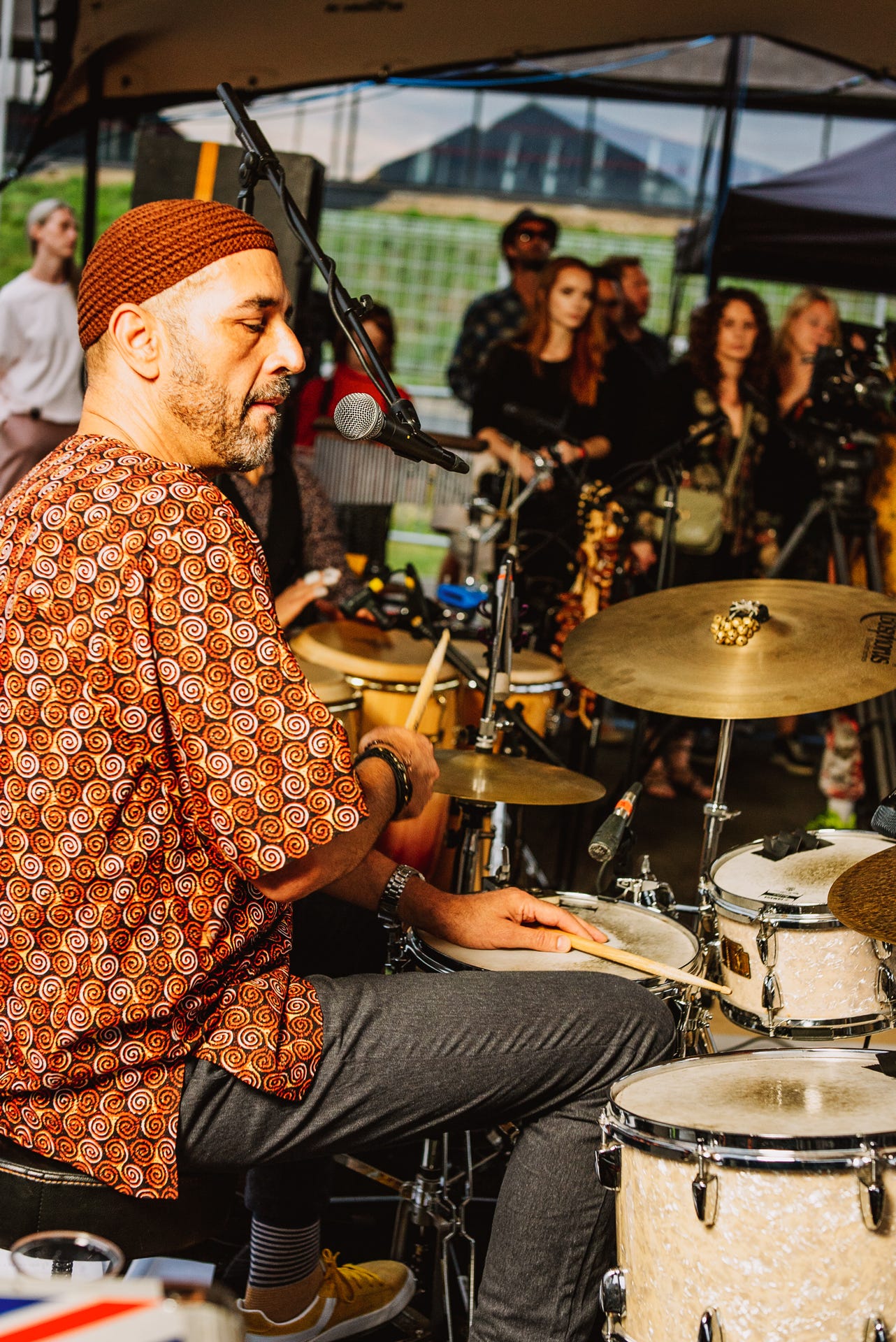
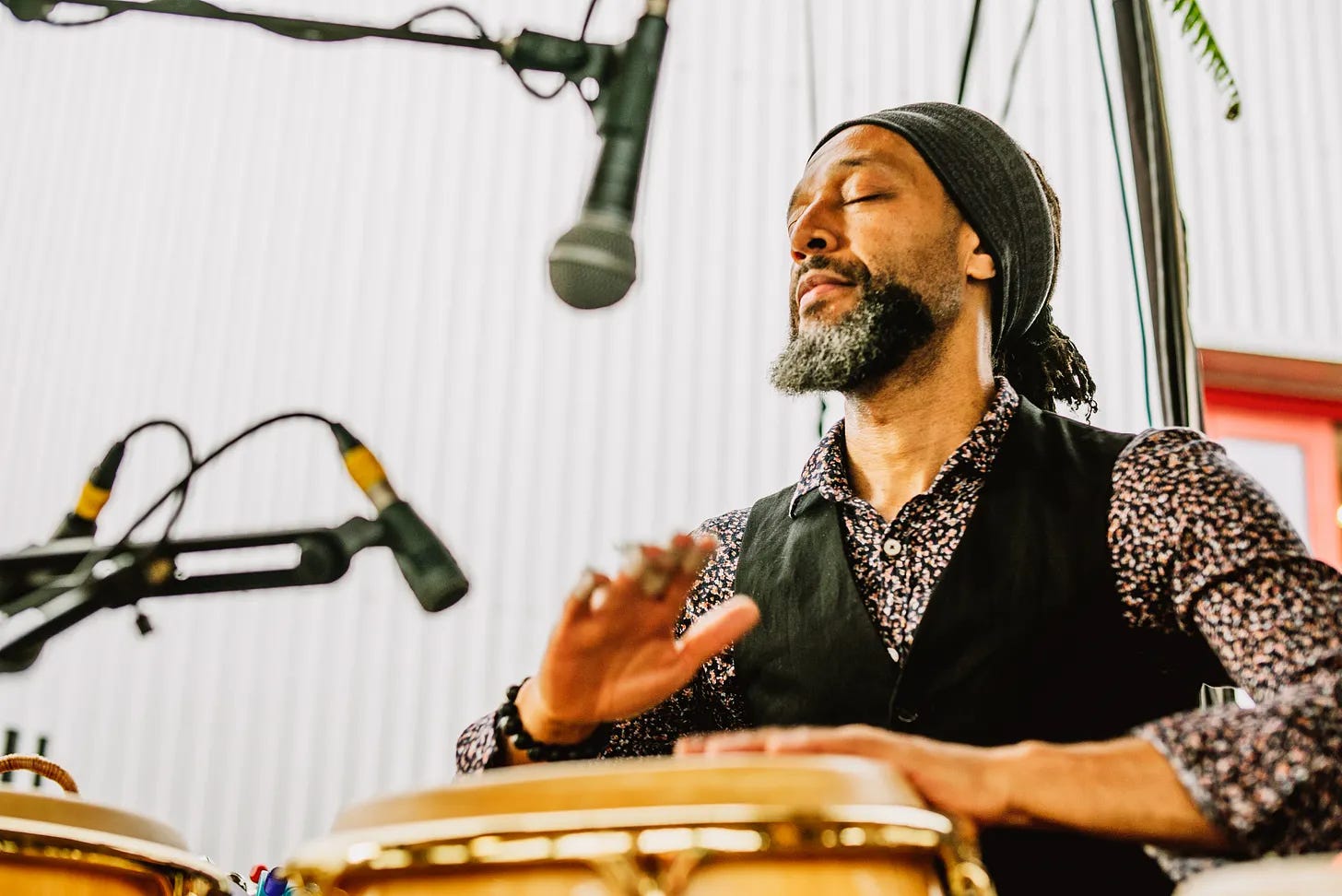
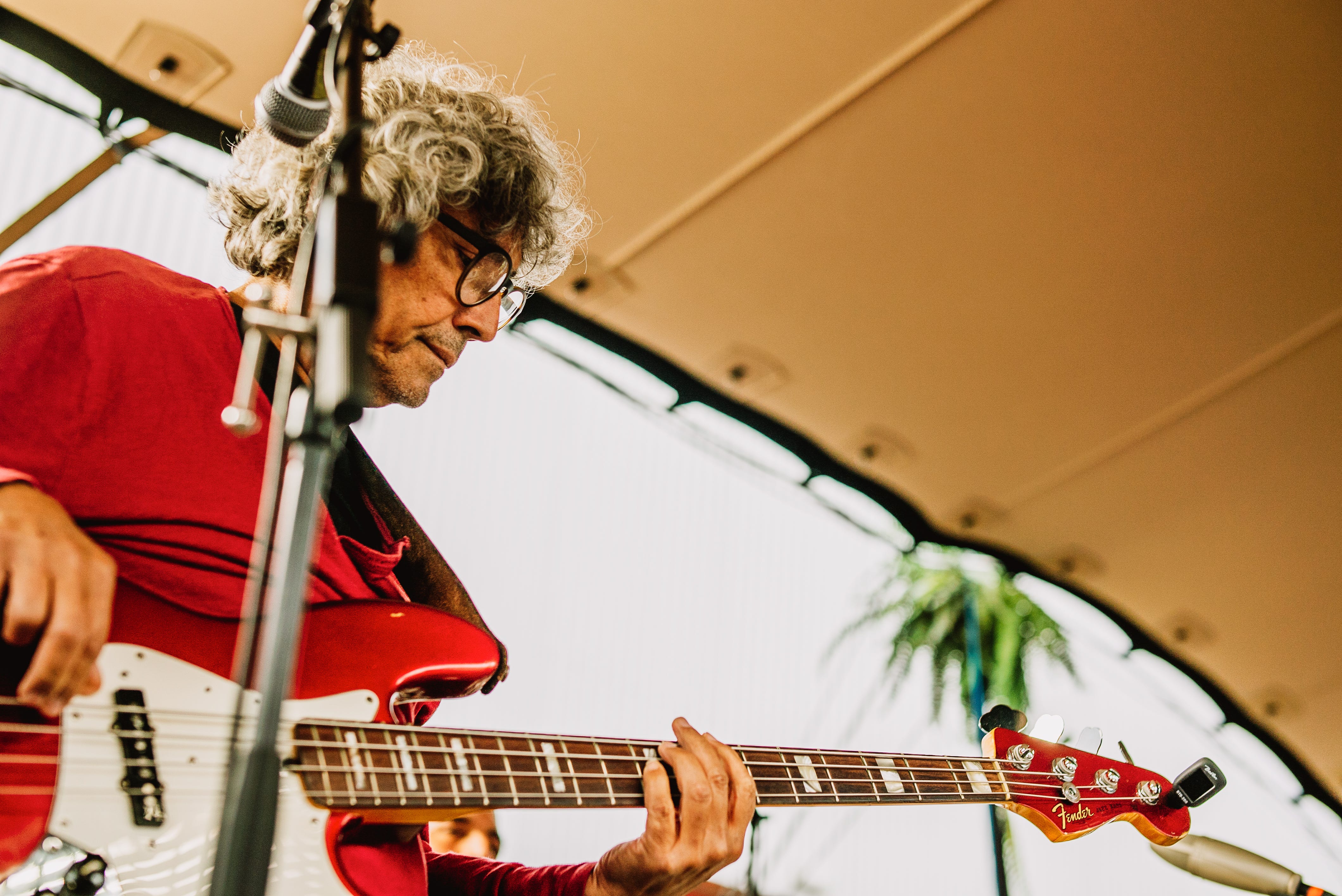
Then suddenly, he was gone. Mário Rui Silva passed away in 2024 while attending his sister’s funeral.
The news was deeply shocking. The concerts, the release and the memories surrounding this music all seemed to take on another emotional weight overnight.
I still hear the audience singing while daylight disappeared into sunset.
Tello Morgado’s Memories of Mario Rui Silva
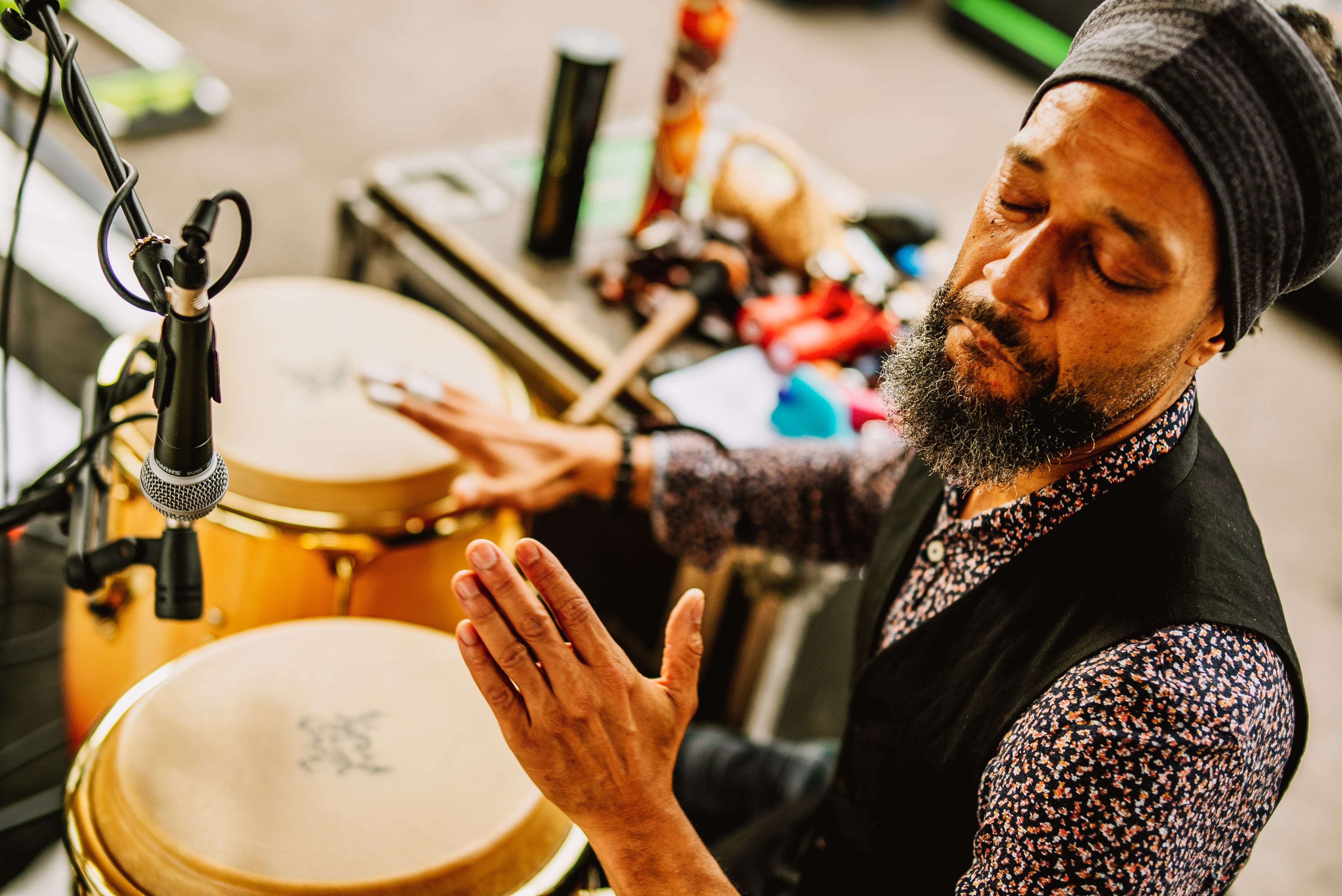
Percussionist Tello Morgado joined Mário Rui Silva’s 2021 UK tour after years of studying and working closely with the Angolan composer and musicologist. Born into a lineage of percussionists and deeply involved in the study of Lusophone African music, Tello became one of Mário Rui’s closest students and collaborators in his later years. The following text is adapted from Tello Morgado’s recollections of Mário Rui Silva.
“Mário Rui Silva was a very important musician, composer and musicologist from Angola. He spent almost 45 years researching, studying, writing, composing and interpreting Angolan music, including many of the classics.
I used to call him Professor Mário Rui. He never liked that.
He always used to tell me: ‘No Morgado, don’t call me a professor!’ And I used to tell him: ‘No, you are a professor because you’ve been teaching me ever since I contacted you.’
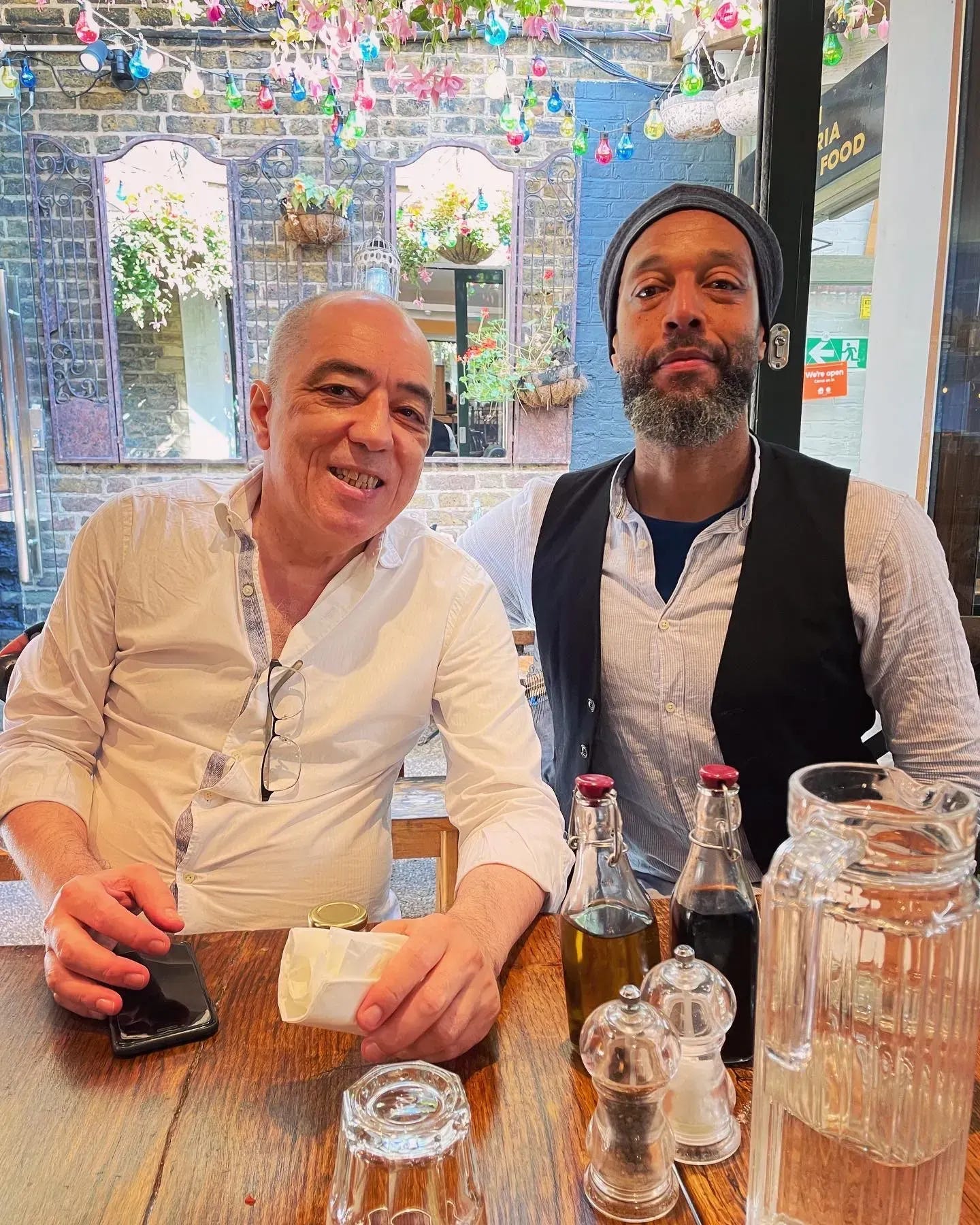
The first time I contacted him was while I was studying for my Master’s degree at SOAS University in London. I needed help for my thesis. But after that, he continued teaching me and mentoring me for years. For the last five years, we spoke on the phone almost every week. We exchanged music constantly. He sent me recordings, books, stories and documents. Most of the material I studied came directly from him because he wrote it himself. He was always giving me homework.
I had musician friends telling me I was a very privileged person to spend time with him.
He was part of Bonga’s iconic album, Angola ‘72. He played guitar and arranged much of that album, one of the most important Angolan records ever made. I grew up with that record at home because my parents had the vinyl. But at the time I didn’t know Mário Rui was behind it. Later somebody told me he played guitar and arranged the whole album, and I remember being shocked.
His knowledge was unbelievable. I have books from many musicologists and researchers, but honestly nobody has done what he did in terms of Angolan music history.
His music was connected to literature. In his research, compositions and writing, he goes back centuries. Songs like ‘Madia Kandimba’ carry histories that reach far beyond modern Angola.
Mário Rui used to speak a lot about Liceu Vieira Dias, who he described as his spiritual mentor. Through people like Liceu and Julio Silvio Heredias, he became deeply connected to older Angolan musical traditions and the transposition of traditional rhythms onto the guitar. For him, music was never separated from history, philosophy or cultural identity.
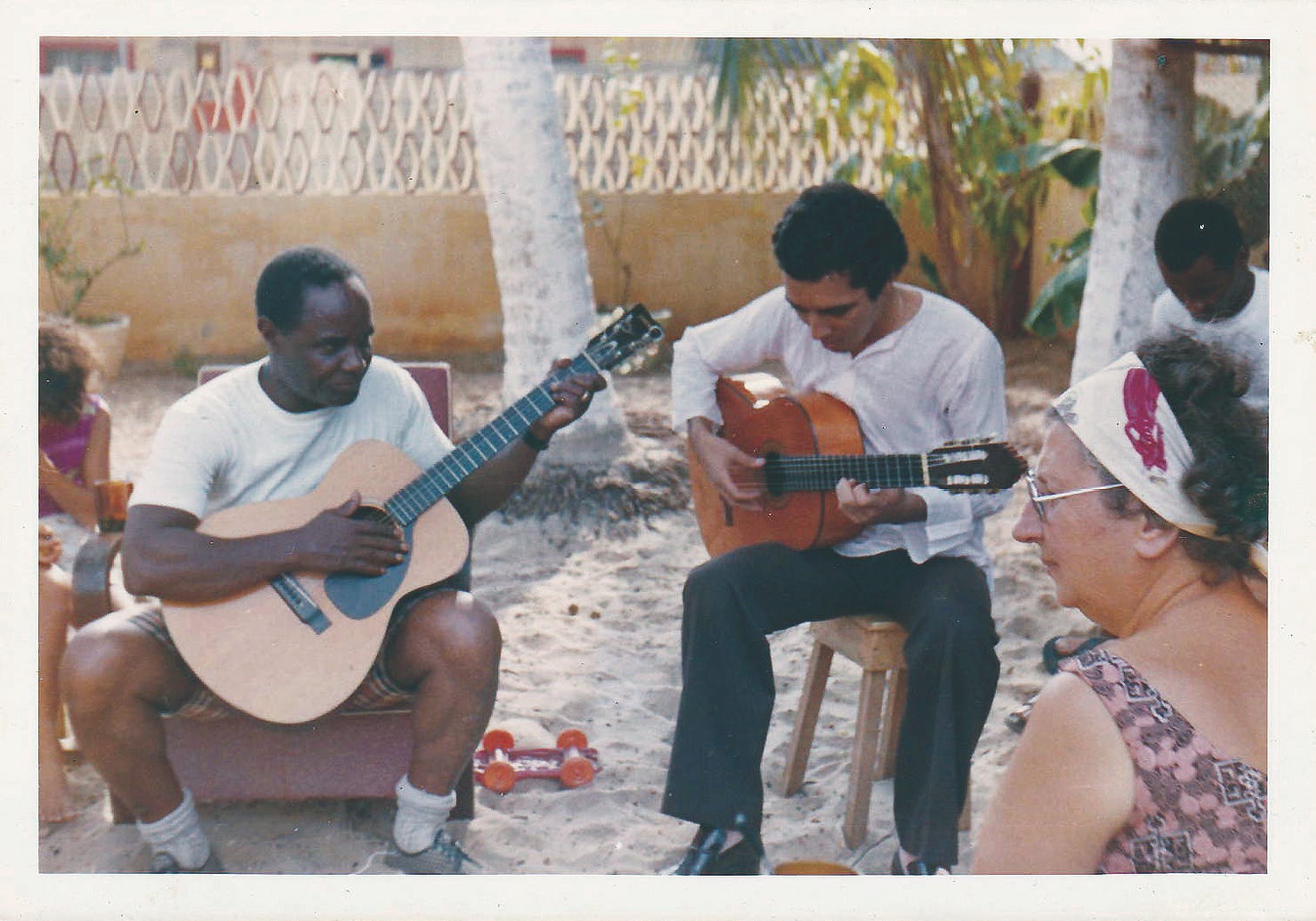
What always amazed me was how deeply Angolan he was in every aspect of his life. Not only through music, but through the way he spoke, the food he ate, his humour and his daily habits. He spoke fluent Kimbundu as well as some Umbundu, and his Portuguese was full of real Angolan slang and expressions. He had a very honest and true African Angolan identity.
Now that he is gone, I realise more and more that I was fascinated by him not only as a teacher or musicologist, but because of who he was as a person.
He was very humble. Very reserved. But he also had an amazing sense of humour. He loved to laugh. He was very charismatic. Very fun to be with. He had a very young spirit.
The loss of Mário Rui Silva still feels very hard to accept.
But I feel grateful that he was able to witness younger generations discovering his music, not only in Angola and Portugal, but in other parts of the world as well. People will realise more and more the work he has done and the heritage he left behind.
For me, he remains one of the most important people in my life.
And he always will be.”
For more on Mario Rui Silva read our previous post featuring the original liner notes written by Anton Spice👇
Mario Rui Silva: Stories From Another Time

The first chord Mário Rui Silva learned to play was an A minor. He was nine years old, receiving impromptu guitar tuition from his younger sister, Paula, in what was a musical household. Silva’s father played the guitar and his mother sang, learning the popular repertoire from Italy, France and Brazil. They we…
